
Action alert: Protect robust trout streams near proposed data center in Hermantown
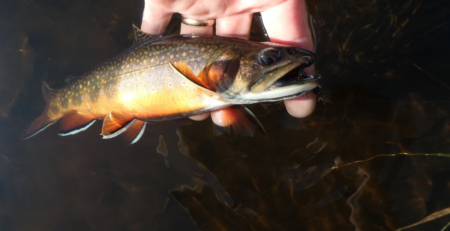
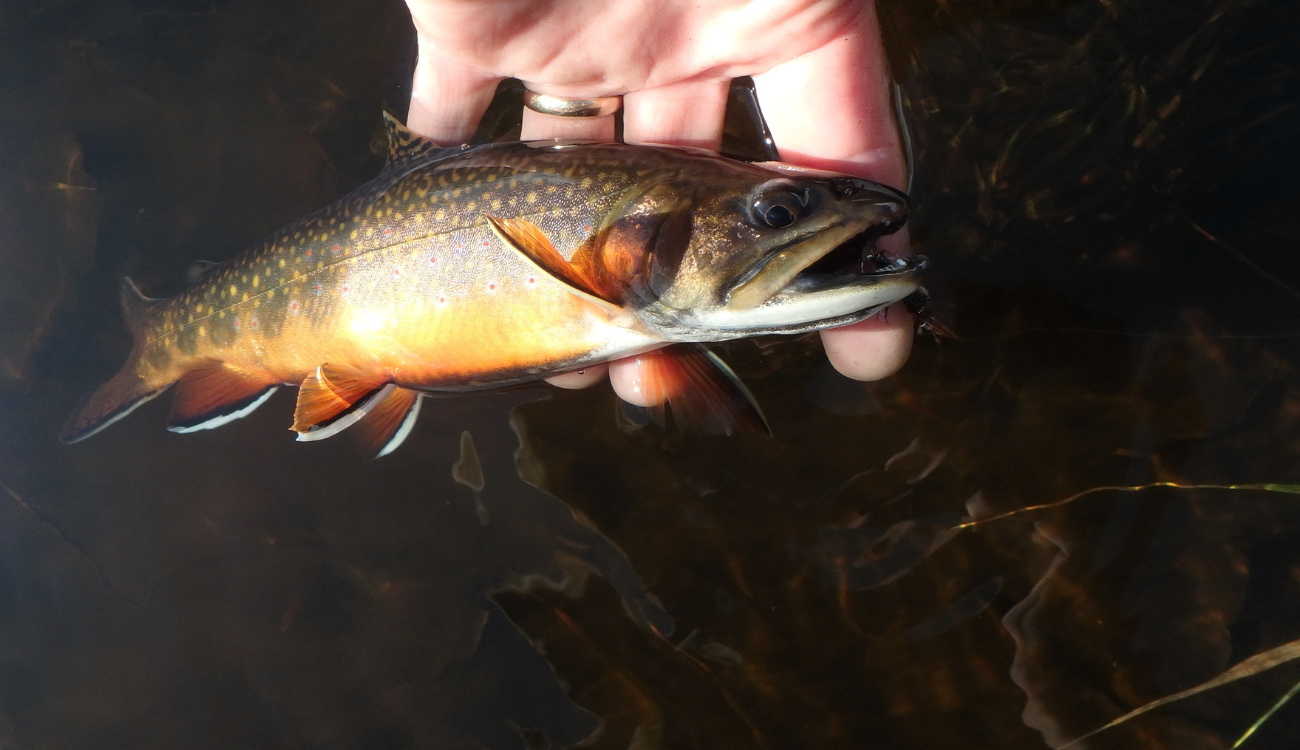
The City of Hermantown is accepting public comments through April 30 on Google’s proposed data center in the Midway River Watershed. The Midway River and its 48 tributaries are home to several of the region’s best native brook trout streams.
The proposed 278-acre site sits between West Rocky Run and Adolph Creek — two streams containing some of the coldest water, best habitat and largest trout populations in the entire watershed and larger Duluth area. The conversion of currently undeveloped forest and wetlands into impervious surfaces (buildings and parking lots) is likely to degrade these high-quality brook trout fisheries by:
- Eliminating or reducing infiltration of surface water to groundwater aquifers
- Reducing groundwater recharge
- Reducing the amount of cold groundwater flowing from springs into the streams
- Increasing stream temperatures (brook trout require water temperatures between 46-68°F to thrive)
- Reducing stream size, or flow, and amount of available habitat
- Increasing sedimentation and pollutants from surface runoff
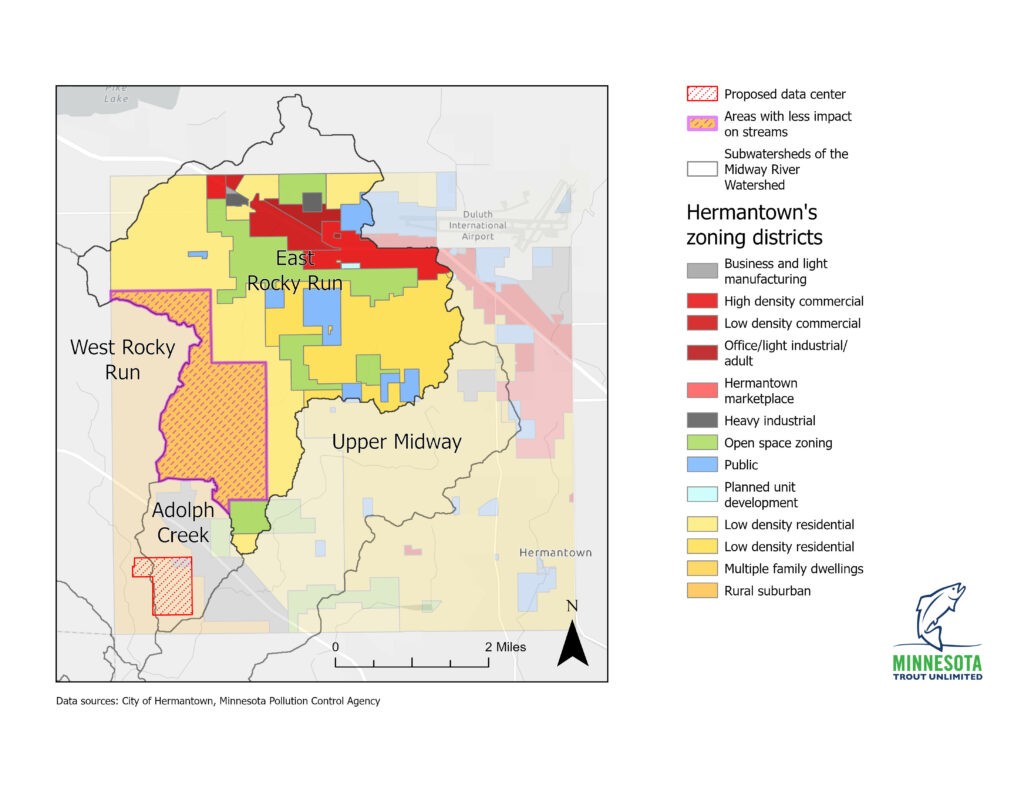
Rather than placing this large development in the most sensitive and important part of the Midway River Watershed, the city should consider redirecting development to parts of the watershed with few coldwater resources, such as the East Rocky Run subwatershed.
The city recently restarted an environmental review of the 278-acre project site after the Minnesota Center for Environmental Advocacy and a local group filed a lawsuit challenging the adequacy of the first review. MCEA said the first review lacked proper analysis and failed to disclose that the proposed project was a data center.
The purpose of Hermantown’s scoping document, which is currently open for public comment through April 30, is to identify all potential impacts prior to the city considering permits.
The city will address these impacts in an updated Alternative Urban Areawide Review (AUAR). An AUAR is an environmental review process sometimes used by local governments to study the impacts of proposed developments within a specific geographic area.
Now is the time for the public to identify what resources are at risk and what impacts the project may have. The public can also suggest alternative development scenarios, including development at sites outside the geographic boundary of the study.
There are much better places for a project of this scope in the city. We recommend considering areas within the Lower Midway River (Esko) or East Rocky Run (Hermantown) subwatersheds. Both are already more developed and have the lowest concentrations of coldwater streams in need of protection.
The City of Hermantown recently rezoned the area of the proposed project from rural residential to “business and light manufacturing.” If Hermantown is determined to keep the data center within its city limits, we urge that the city steer this development to the central area on the western side of the city and within the East Rocky Run subwatershed. These areas where development would have less impact on trout streams are outlined in pink in the map below. This part of the city is currently zoned as rural suburban and has pockets of vacant land, according to Hermantown’s 2045 Comprehensive Plan.
Midway River Watershed study
A four-year study published in August 2025 by the Minnesota Pollution Control Agency (MPCA) titled “Midway River Watershed Protection Study” identified several brook trout habitats in the watershed to prioritize for protection and restoration.
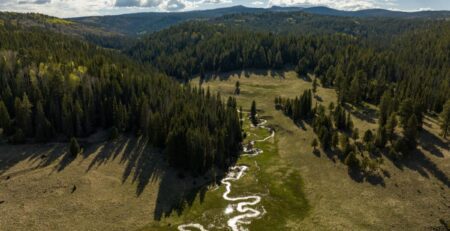
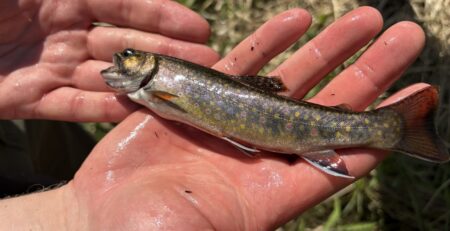
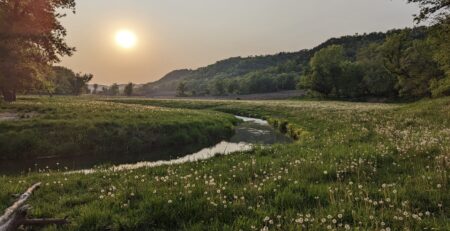
West Rocky Run, which flows parallel to the western edge of the proposed project, is one of the highest quality streams singled out by the study for protection. The study also recommends protection for Adolph Creek which runs just north and east of the proposed data center. These cold, spring-fed streams offer excellent habitat for our native brook trout.
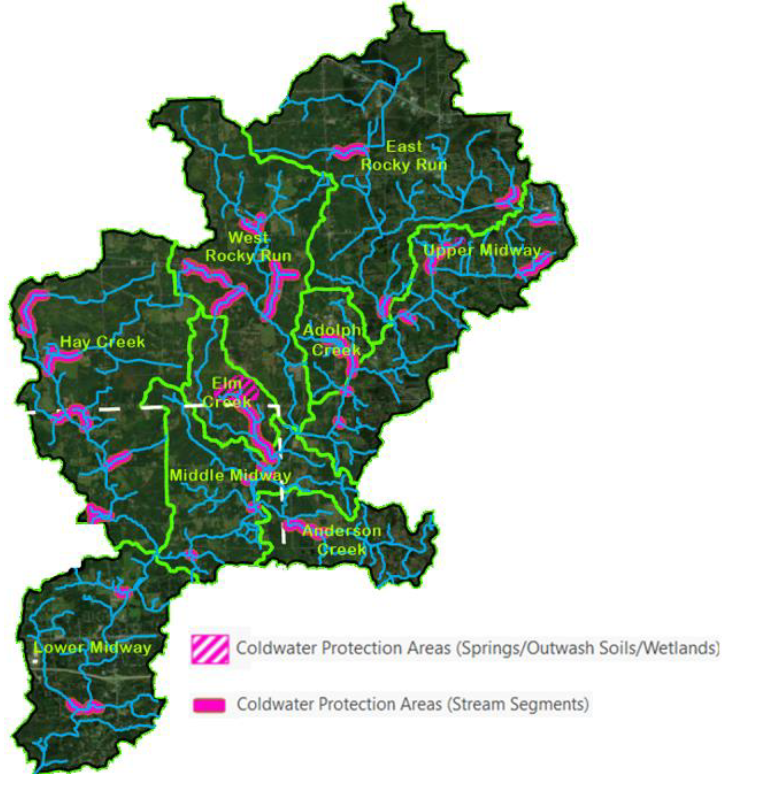
Unfortunately, the 278-acre project is proposed to be placed in that part of the Midway River Watershed with the highest concentration of coldwater streams, according to the study’s findings.
At minimum, much more information is needed on how development here would impact the streams and extensive analysis is needed on how this proposed project might avoid or mitigate the negative effects of cutting off groundwater infiltration.
At best, this part of the watershed should be protected from development.
Jeffrey Jasperson, the MPCA study author and watershed ecologist told MNTU: “If you were to pick a spot in the watershed to protect, this would be the spot.”
“It feels like a truly wild space”
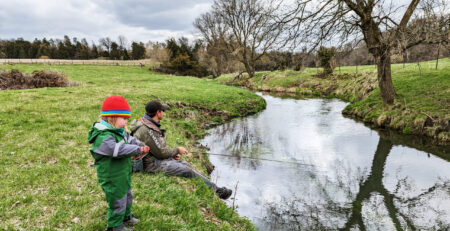
For Seth Jenkins, board member of Minnesota Trout Unlimited Gitche Gumee Chapter, the Midway River and its tributaries are places he’s grateful to get to retreat to without needing to leave the city. He hopes his future children can have the same experience.
“It feels like a truly wild space,” Jenkins said. “If you look at the map you’re five minutes from people’s back porches, but you would never know.”
He’s worried that the environmental impacts the project would have on the watershed far outweigh any benefits development would have on the local economy.
“I don’t know what we get in this bargain. There is no payoff for the people who have to pay the price. If I’m obligated to pay for something whether it’s monetarily or environmentally, I expect to get a payoff,” Jenkins said. “We’re just being asked to forfeit our children’s futures for their benefit.”
What’s in the scoping document
Hermantown’s scoping document identifies runoff as a potential impact and says the upcoming updated AUAR will analyze this issue in detail as well as the long-term groundwater impacts of converting the surface.
As stated in the city’s scoping document: “Runoff from the study area generally drains west and south towards offsite streams including West Rocky Run Creek and the Midway River respectively.”
While many data centers around the world use groundwater to cool their systems, Google does not plan to use water for cooling purposes in Hermantown, according to the city. Alternatively, data centers can use advanced air-cooling technology to eliminate the need for extreme amounts of water.
The scoping document says the upcoming AUAR will also discuss energy use, the expected lifespan of the project and how much carbon dioxide will likely be emitted during that time.
How to comment
Hermantown asks that people submit their comments by April 30 to AUARcomments@hermantownmn.com.
Please join us in asking Hermantown to consider the proposed data center’s impacts on our coldwater fisheries.