
Public Waters
What are Public Waters?
In 1973, Minnesota passed the Public Waters Inventory Act, directing the Minnesota DNR to map and officially designate public waters across the state. Minnesota regulates activities in or near streams and waterbodies based upon whether they are “public waters” as defined by this state statute (Minn. Stat. 103G).
The DNR completed the Public Waters Inventory (PWI) in the early 1980s. The PWI was intended to create a clear, transparent list so developers, farmers, agencies, and the public would all know which waters were protected, but errors were made, and some waterways did not make it onto the list or maps. Many of these waters included small meandering streams and wetlands in the headwaters of streams, including trout streams, all of which are important for water quality and the health of fish and aquatic life downstream.
The Buffer Law and Public Waters
In 2015, Minnesota passed the Buffer Law, requiring vegetated buffers along public waters and public drainage systems. This law relied heavily on the PWI to determine which waters needed buffers. Immediately after, debates intensified about which streams and ditches should really count as “public waters” because if a stream was not listed, no buffer was required. Political and industry pressure increased to narrow the public waters list further by removing some waters from protection. It is critical, however, that the PWI is updated and expanded to reflect modern science, recognizing headwater streams, springs, wetlands, and groundwater-fed systems essential to ecosystems and drinking water supplies.
Limbo Creek helps clarify Public Waters
Limbo Creek, a small headwater stream In Renville County, was not included on the original PWI list, but does appear on the map. When Renville County proposed to ditch the stream in 2022, the Minnesota Center for Environment Advocacy petitioned for environmental review of the ditching project. The County denied the petition on the basis that Limbo Creek was not a “public water” because it was not on the PWI list. MCEA appealed to the courts and MNTU joined the case as a “friend of the court” to ensure that all headwater streams, whether on the PWI list or not, are protected.
The key issue was whether a “public water” left off the PWI list was still a “public water” for purposes of Minnesota’s environmental review laws. The case made it to the Minnesota Supreme Court who agreed with the MN DNR that Limbo Creek was a specific waterway, that the statutory definition of “public waters” is clear, and that a water’s absence from the PWI is not determinative. They also suggested that the legislature consider clarifying the language of the statute.
Public Waters Clarified in Statute
In 2024, the Minnesota Legislature adopted language to provide clarity and reinforce DNR’s longstanding interpretation that a specific waterway could be a public water even if it was not listed on the Public Waters Inventory. The language reinforces the DNR’s and Court’s interpretation and affirms that it is the statutory definition that defines the scope of the State’s jurisdiction over public waters. The statute also appropriated $8 million for the DNR to do a comprehensive update to the PWI.
Public Waters Rollback
The Senate Environment Budget bill (SF 2077) introduced in the 2025 session contained a provision added by amendment that would make which waterways are protected under state law less clear by repealing the clarification adopted last year. This repeal would most certainly result unnecessary ambiguity and lawsuits. The Senate Finance deleted all policy provisions from the Environment budget bill, including this amendment, however the Senate Environment’s policy only bill (SF 2781) that is being heard May 1 includes this language (Art.1, Sec. 15). Read more on how to take action here.
The federal government is limiting which waterways are protected by federal law, and instructing agencies like the Environmental Protection Agency and the U.S. Army Corps of Engineers to approve permits that do not protect public waters. What Minnesota protects with state laws is what will be protected – there is no federal safety net. That’s why clarity about what streams, rivers, wetlands and lakes are covered under state law is needed now, more than ever.
Key Points: a clear definition of “public waters” is critically important for several powerful reasons:
- In Minnesota, “public waters” are legally entitled to stronger environmental protections — including buffer zones, permitting requirements for impacts, and restrictions on harmful activities like pollutant discharges or channel alterations.
- If a trout stream or spring creek isn’t clearly classified as a public water, it can be much easier for it to be degraded, diverted, filled, or polluted without regulatory oversight.
- Many trout streams and groundwater-fed springs are relatively small or remote, making them easy to overlook unless they are clearly mapped and defined as public waters.
- Trout require cold, clean, connected water — losing even small feeder streams or springs to pollution or alteration can destroy an entire fishery.
- A clear, inclusive definition closes loopholes and ensures enforcement agencies like the Minnesota DNR and MPCA can act before damage is done.
- Legal clarity about what waters are “public” is a foundational tool — without it, restoration projects, protection efforts, and enforcement actions are all undermined.
Latest Public Waters Updates
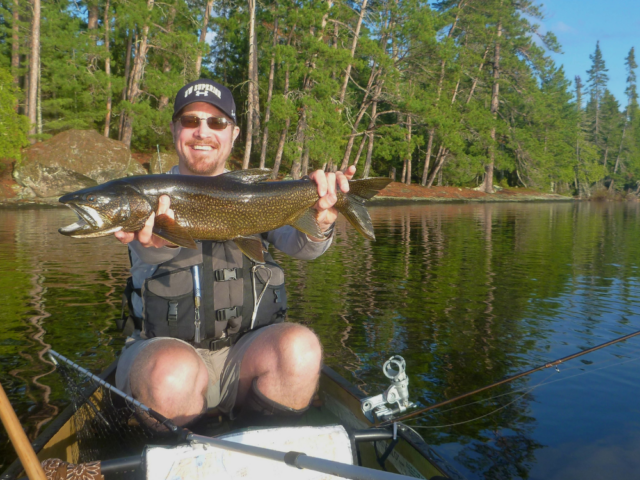
Action alert: Recruit your out-of-state family and friends to protect the Boundary Waters
The resolution to reverse the 20-year ban on mining near the Boundary Waters Canoe Area Wilderness is expected to reach… read more
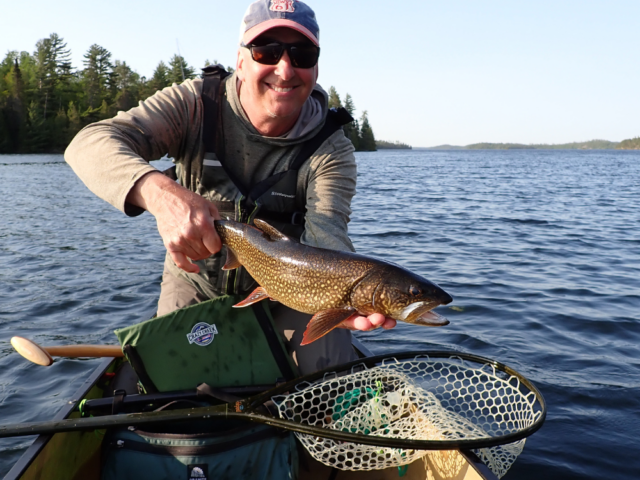
Action alert: Contact your senators to protect the BWCAW
The U.S. Senate vote on the Joint Resolution that would overturn the 20-year ban on mining upstream of the Boundary… read more
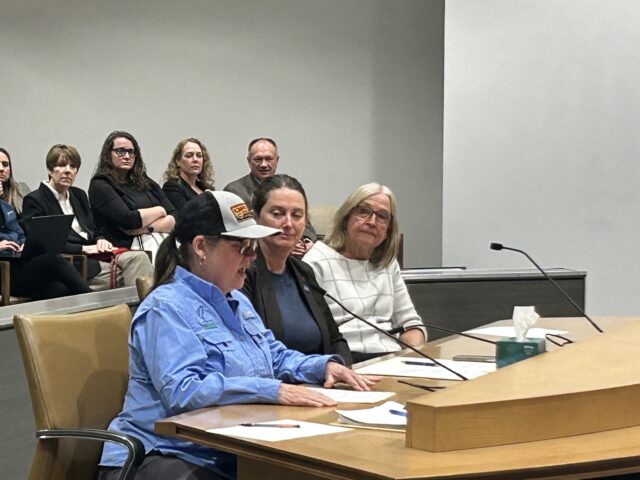
2025 legislative session recap
Legislative session was more a game of defense, rather than much momentum forward this year. In general we held the… read more
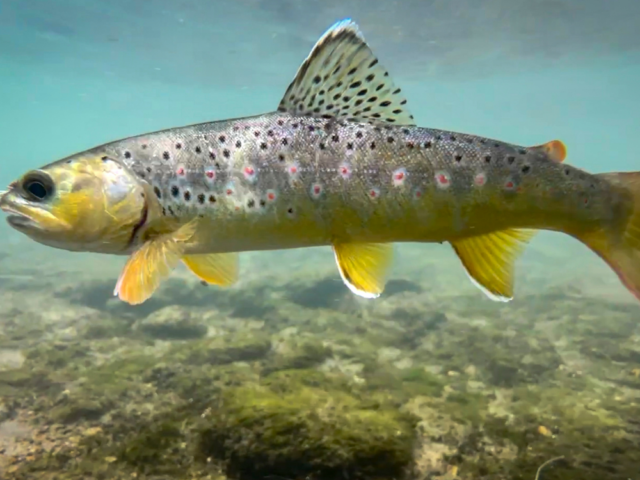
Action alert: Protect trout and aquatic ecosystems across the state
May 2025 FEDERAL ACTION TO PROTECT THE BOUNDARY WATERS The House Natural Resources Committee recently passed its reconciliation bill that dismantles Boundary… read more
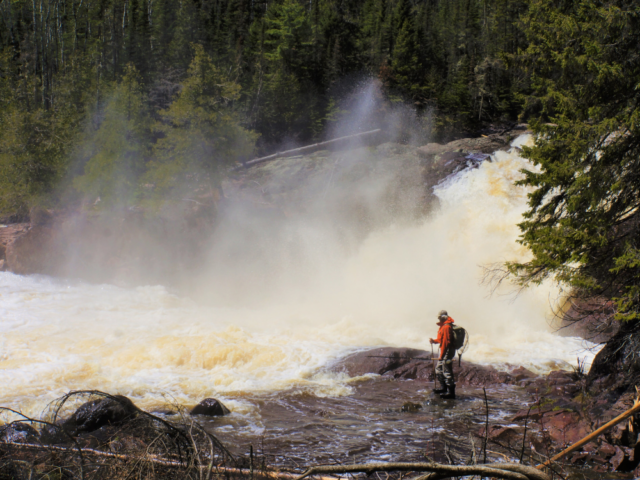
Action alert: Protect public waters, oppose the rollback of clarifying language
April 30, 2025 In 2024, the Minnesota Legislature adopted language to provide clarity and reinforce DNR’s longstanding interpretation that a specific… read more
Action alert: Public waters under threat… again
The Senate Environment Budget bill (SF2077) contains a provision that will make it less clear which streams and headwater tributaries… read more