
Macro of the month: What “EPT” taxa tell us about stream health
The typical trout angler studies up on aquatic macroinvertebrates to better understand what trout are eating across different seasons of the year – to perfect the fly! But the next time you pick up a rock from a stream to inspect its surface, you can also keep in mind what the crawling critters tell you about the health of the stream. In particular, be on the look out for what are referred to as the “EPT” taxa which refer to taxonomic orders —Ephemeroptera (mayflies), Plecoptera (stoneflies), and Trichoptera (caddisflies). These insects, known for their sensitivity to pollution, offer invaluable insights into the health of freshwater ecosystems.
Let’s dive into why EPT taxa are essential in monitoring and maintaining water quality in trout streams.
What Are EPT Taxa?
EPT taxa represent three orders of aquatic insects:
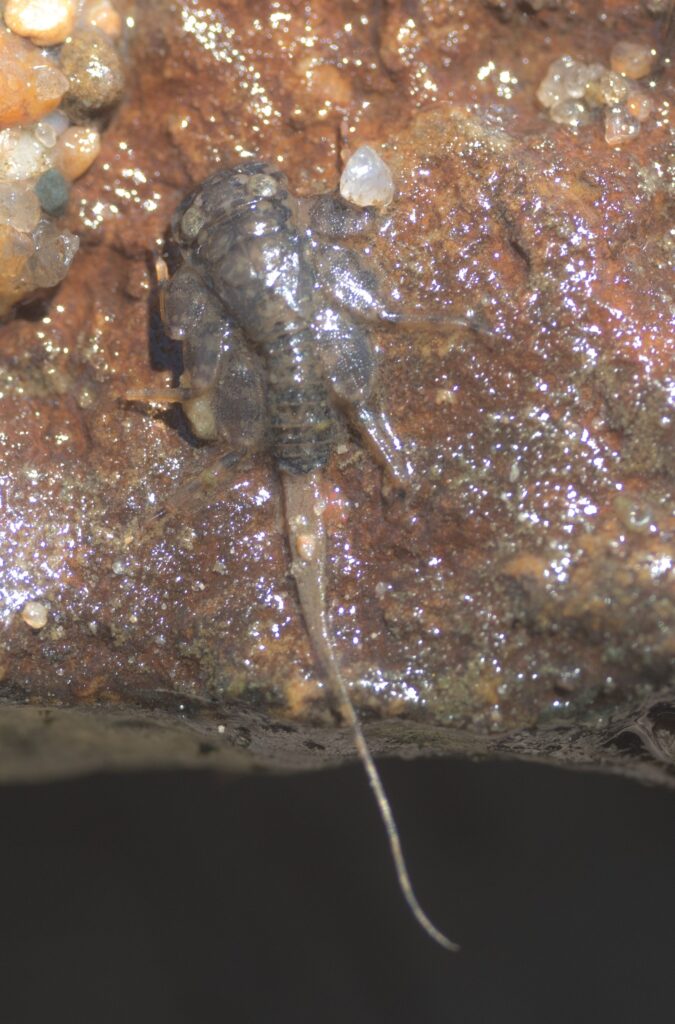
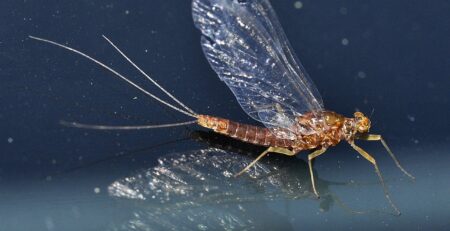
Ephemeroptera (Mayflies): These insects are known for their delicate, membranous wings and short adult lifespan. Their larvae are typically found in clean, well-oxygenated waters. (photo: Mayfly in the North Branch of the Whitewater River, John Weiss)

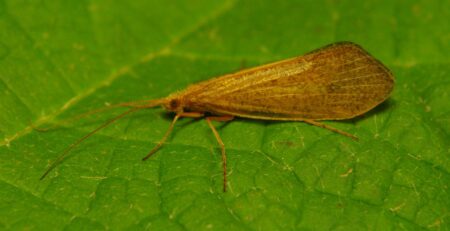
Trichoptera (Caddisflies): Caddisflies are often distinguished by their case-building larvae, which construct protective cases from materials found in their environment. (photo: Caddisflies, Brachycentrus aka American Grannom, in the North Branch of the Whitewater River, John Weiss)
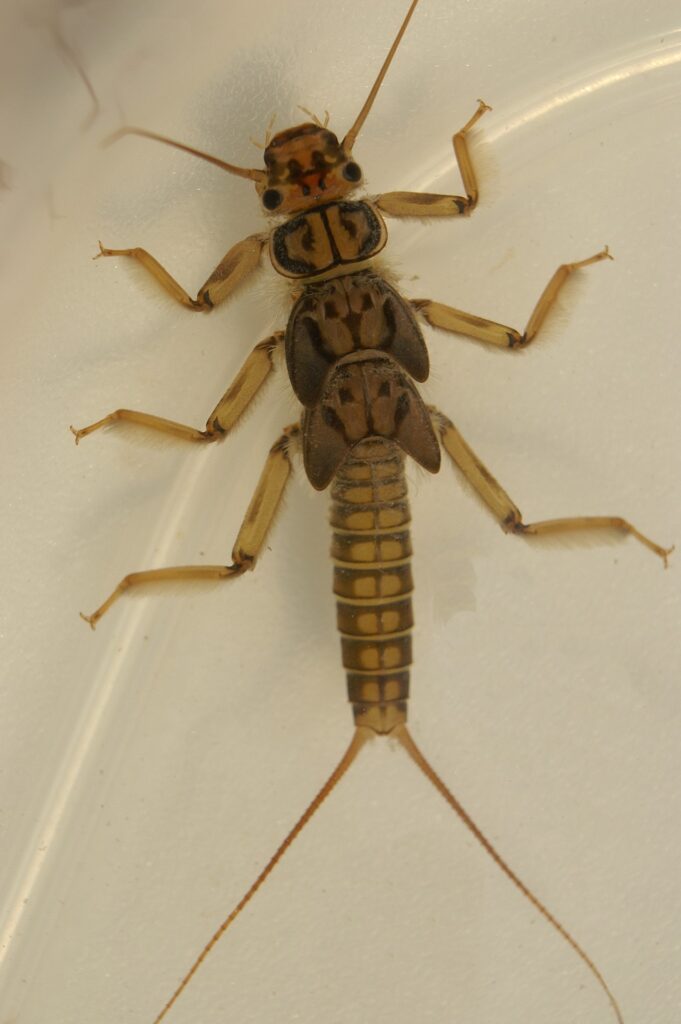
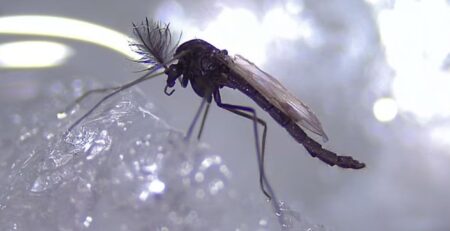
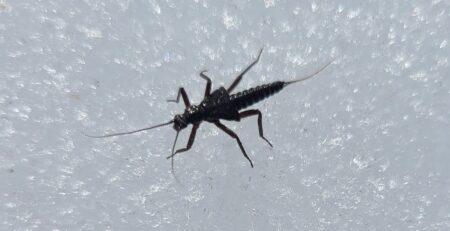
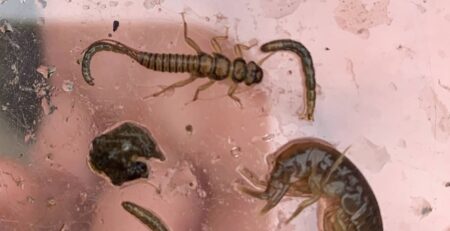
Plecoptera (Stoneflies): Stoneflies are recognized by their two pairs of wings and elongated bodies. Their nymphs thrive in fast-flowing, oxygen-rich streams and rivers. (photo: By böhringer friedrich – Own work, CC BY-SA 2.5, https://commons.wikimedia.org/w/index.php?curid=2187465)
Indicators of Water Quality
EPT taxa are bioindicators, meaning their presence, absence, and population dynamics reflect the quality of their aquatic environment. All EPT taxa prefer clean water and are sensitive to pollutants. Several characteristics make them particularly valuable for water quality assessment:
- Sensitivity to Pollution: EPT taxa are highly sensitive to pollutants such as pesticides, heavy metals, and organic waste. Their presence typically indicates low levels of pollution and good water quality.
- Requirement for High Oxygen Levels: These insects require well-oxygenated water to survive, making them excellent indicators of oxygen levels in streams. Low oxygen levels often result from pollution and can lead to the absence of EPT taxa.
- Short Life Cycles: The relatively short life cycles of EPT taxa mean they quickly respond to changes in their environment. This responsiveness allows for timely detection of water quality changes.
Importance for Trout Streams
Trout, particularly species like brook trout, brown trout, and rainbow trout, thrive in cold, clean, and well-oxygenated waters. The health of these fish populations is directly linked to the quality of their habitat, which is why monitoring EPT taxa is crucial for several reasons:
- Habitat Quality: EPT taxa serve as a direct measure of habitat quality. Healthy EPT populations indicate a well-functioning ecosystem capable of supporting trout.
- Food Source: Many EPT larvae and nymphs are primary food sources for trout. A decline in EPT populations can lead to reduced food availability, impacting trout growth and reproduction.
- Early Warning System: Changes in EPT populations can serve as early warning signs of declining water quality, allowing for timely interventions to protect and restore trout habitats.
The importance of EPT taxa in evaluating water quality on trout streams cannot be overstated. These insects provide critical insights into the health of aquatic ecosystems, serving as indicators of pollution, oxygen levels, and overall habitat quality.
Get Involved with Community Science!
By monitoring EPT populations, scientists and conservationists can ensure the preservation of pristine trout streams, safeguarding these vital habitats for future generations. And – what better way for anglers to help out than through one of the biomonitoring community science programs? In fact, Hiawatha chapter members John Weiss and Don Parsons have been involved with the Save Our Streams program for years – monitoring macroinvertebrates in southeastern Minnesota and providing important data that is used in federal decision making and policy. The Twin Cities Trout Unlimited Chapter has a strong history of participating in stream and water quality efforts and will be adding the aquatic macroinvertebrate monitoring of the Save Our Streams program later this summer. MNTU Habitat Program Director, Jennifer Biederman, is a certified Save Our Streams trainer, and can provide certification training for small groups of people interested in this work.
What’s a macro and what’s it have to do with trout angling and conservation? Macros are on the trout menu for pretty much every meal. Macro means big and macroinvertebrates, or “macros,” are animals without a backbone, that are big enough to be seen by the human eye. They can be aquatic or land based, however aquatic insects make up the majority of a trout’s diet. They are also, of course, the inspiration for the flies we tie and use to catch trout. Learn about a new macro each month and how you can create your own to take with you on your next fishing trip!