Minnesota Trout Unlimited
  • HOME
  • ABOUT
    • Chapters
    • About
    • Join TU
    • Contact Us
    • How to Support Us
  • NEWS
    • Blog
    • Events
    • Monthly Enews
    • Trout Unlimited Minnesota
  • HABITAT
    • Visit Recent Projects
  • EDUCATION
    • Education and Outreach
    • Trout in the Classroom
    • Fishing Skills Programs
    • Great Waters Fly Fishing Expo
    • Foster the Outdoors Program
    • T.U.N.E Camp
  • ADVOCACY
    • Agricultural Runoff
    • Data Centers
    • Feedlots
    • Neonics
    • Nitrates
    • Preventing Fish Kills
    • Public Waters
    • Sulfide Mining
  • FISHING
  • DONATE
  • HOME
  • ABOUT
    • Chapters
    • About
    • Join TU
    • Contact Us
    • How to Support Us
  • NEWS
    • Blog
    • Events
    • Monthly Enews
    • Trout Unlimited Minnesota
  • HABITAT
    • Visit Recent Projects
  • EDUCATION
    • Education and Outreach
    • Trout in the Classroom
    • Fishing Skills Programs
    • Great Waters Fly Fishing Expo
    • Foster the Outdoors Program
    • T.U.N.E Camp
  • ADVOCACY
    • Agricultural Runoff
    • Data Centers
    • Feedlots
    • Neonics
    • Nitrates
    • Preventing Fish Kills
    • Public Waters
    • Sulfide Mining
  • FISHING
  • DONATE

Trout in the Classroom Update – February 2026

Jason Swingen2026-02-16T16:41:07+00:00

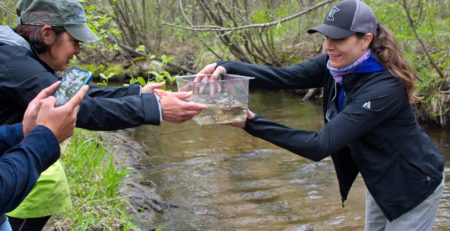
Trout in the Classroom (TIC) is a unique educational experience for students. Throughout this year-long program, students learn about Minnesota watershed ecology, fish biology, trout habitat, and more, starting the very first week of school. They engage in TIC-related lessons both inside and outside the classroom from September through May. The culmination of this learning is a spring field day. On this day, they get to release the trout they worked hard to raise all year – a special privilege specific to TIC schools.

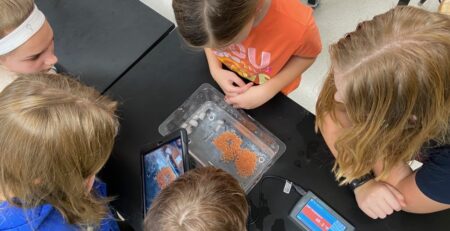
In Minnesota, teachers can catch and raise native fish in classroom tanks for learning purposes with a MN-DNR permit. However, that permit specifies that they may NOT release those fish, even into the same body of water where they were caught. TIC students not only get to release their fish at the end of the year, but they also have the opportunity to observe and care for them through four different life cycle stages: eggs, alevin, swim-up fry, and fingerlings.

Every year, TIC teachers sign a permit with the MN-DNR acknowledging they have read, understood, and will abide by the rules. I review it with them and expect that they are also discussing it with their students. Some of these rules are listed below. The full permit is linked here for those interested in reviewing it more fully.
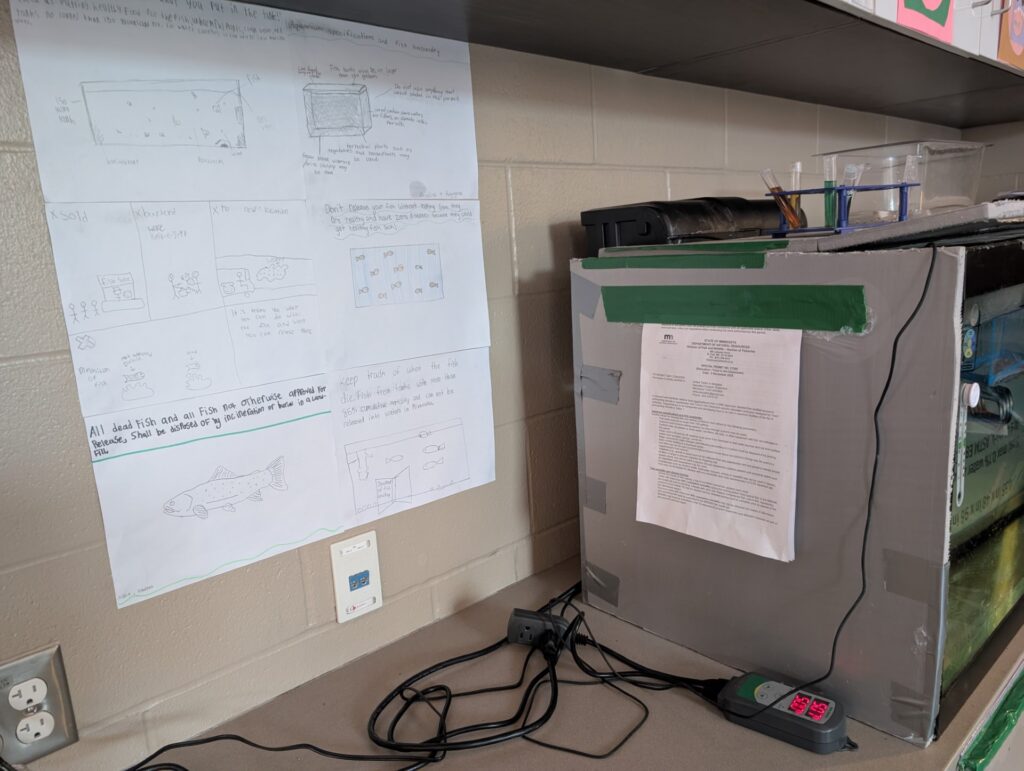
Students at Cherry Hill school in Iron Junction reviewed the DNR permit in small groups, discussed the rules as a class, and then and made posters to solidify their learning. These posters were then hung near the tank along with a printed copy of the permit itself for students to learn from and review throughout the school year.

Aquarium specifications and fish husbandry: Aquaria setups for housing fish and rearing conditions must adhere to the following parameters:

  • Fish tanks must be no larger than 150 gallons.
  • Systems must be recirculating (no flow-through systems may be used).
  • Systems may not contain or share water, bio-filters, dip nets, or other equipment with fish not indicated in this permit.
  • Water used to fill and top off systems must come from municipal or well water sources, not from surface waters such as lakes, springs, or ponds.
  • Water removed for water changes and following the dismantling of a system must be disposed of by pouring it down a drain leading to a municipal sewer.
  • Live feed may not be used (commercially produced frozen bloodworms/brine shrimp may be used as a supplementary food source).
  • Substrate (e.g., gravel or sand) must not be collected from any waterbodies; any gravel or stones should be 8mm or larger to prevent ingestion by fingerling fish.
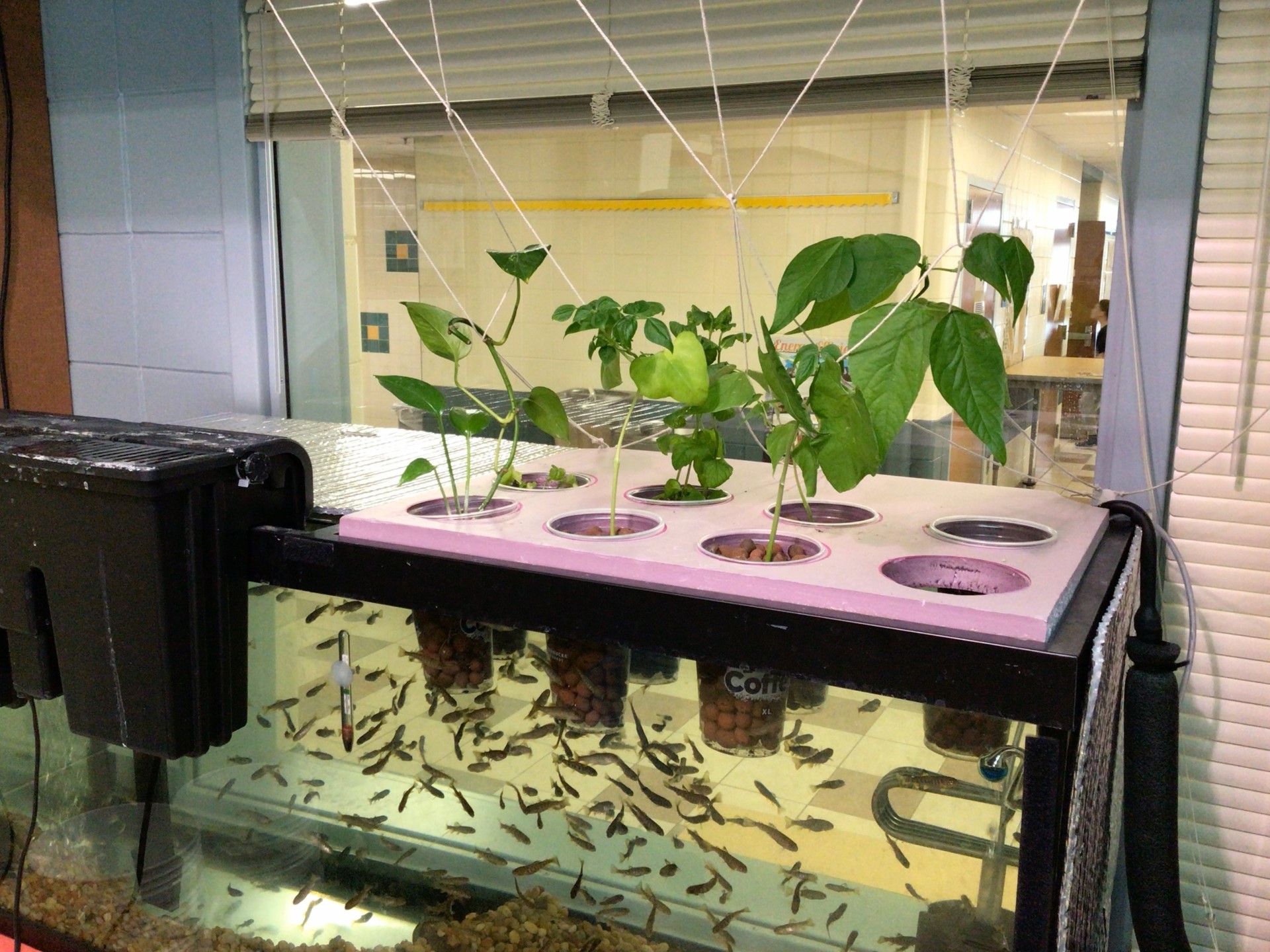
  • Aquatic plants may not be used in aquaria (though aquaponics systems planted with terrestrial plants such as vegetables and houseplants may be used).
  • Invertebrates such as mystery snails, freshwater mussels, shrimp, or crayfish may not be used in aquaria.
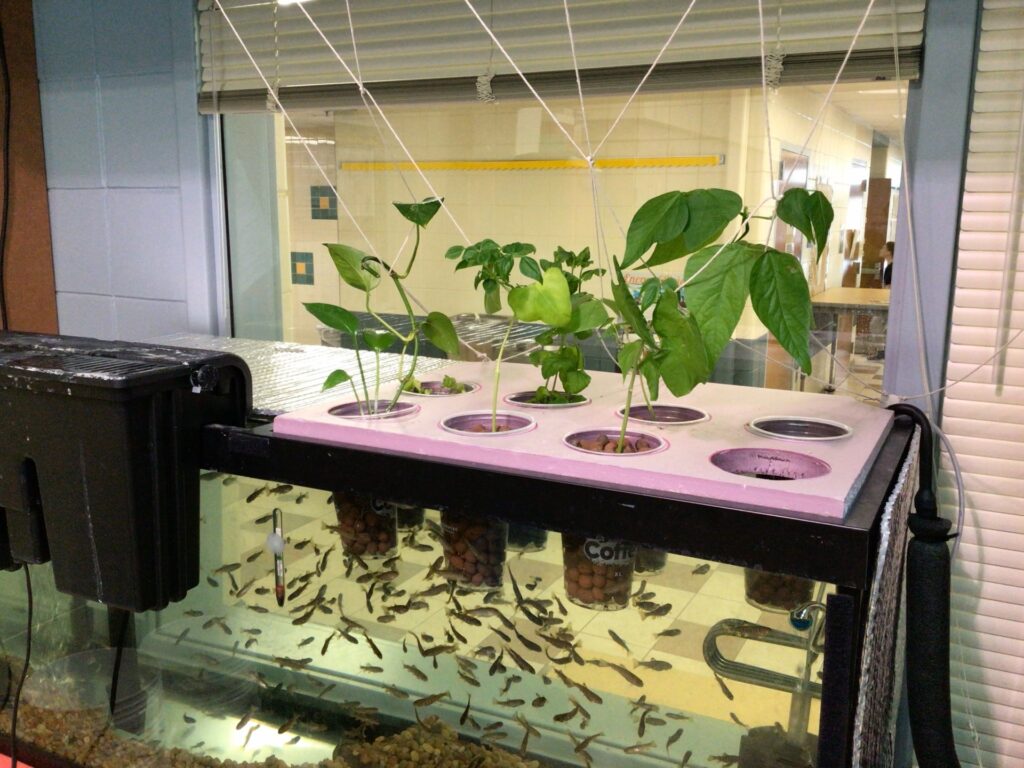
A TIC tank that is doing aquaponics to grow beans and a few other types of vegetables. This is a great way to remove nitrates from their tanks to keep it healthier and not have to do as many water changes.

Fish mortality and disease testing:

  • During the course of fish rearing, a log of mortalities must be updated each week.
  • For tanks with more than 60% cumulative mortality during the rearing period, fish must be submitted to the MN-DNR fish health lab prior to release.
  • Classes with other fish displays (ornamental fish, native fish, aquaponics systems) must submit TIC fish for disease testing.
  • Disease testing must be completed prior to the release of fish into Minnesota waters.
  • Fish from tanks with more than 85% cumulative mortality may not be released into waters in Minnesota, and remaining fish must be submitted to the MN-DNR fish health lab.
  • Mortality logs must be submitted to the TU educational program supervisor and MN-DNR Fisheries as part of the required year-end report.
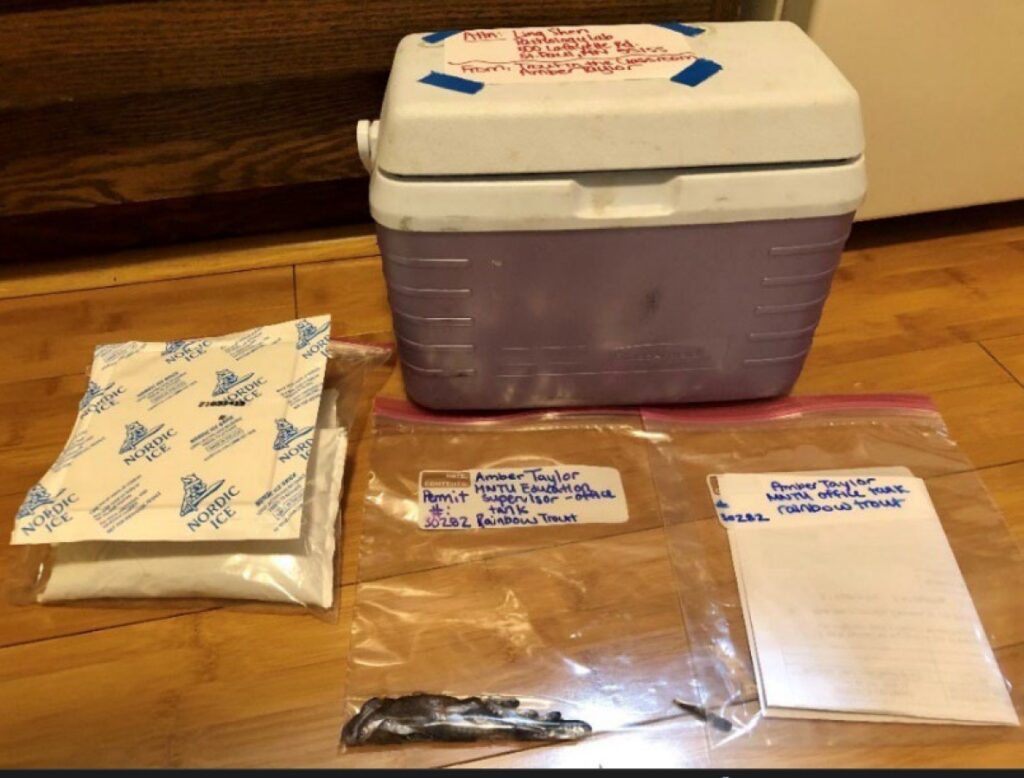
A picture of some fish packaged and ready to be sent to the DNR for disease testing. While all MNTIC tanks used to have to send in fish for testing, in the last few years, only tanks with a 60% or above mortality rate have to send in fish for testing. 

These tank parameters and disease testing requirements, in addition to specifically assigned release sites, ensure that the release of our TIC trout will not negatively impact the local watershed. Release sites are chosen based on proximity to the school, accessibility, and locations where rainbow trout are already being released.

There are already significant issues with people releasing fish unauthorized, as we have seen in many metro area lakes that are now full of goldfish. It is important that students, teachers, and their families understand that releasing their trout is only allowed because they have express permission from the DNR.
Share this post

Facebook Twitter LinkedIn Google + Email

Related Posts

An 8-Year Look at the MNTU Education Program

In this new year, I wanted to do a recap about the last 8 years of MNTU’s education program. See... read more

12,000 Eggs Delivered for Trout In The Classroom

We completed the first of two egg deliveries on December 3rd! Over 12,000 eggs were sorted, packaged, and distributed throughout... read more

Trout in the Classroom: 19 Years and Growing

In its 19th year, Minnesota Trout in the Classroom has 86 tanks in 74 schools and 2 nature centers throughout... read more

Another Year of Trout in the Classroom

The 2025-26 Trout in the Classroom season kicked off with our first teacher and volunteer training in Duluth and the... read more

Trout in the Classroom is Making an Impact

MN Trout in the Classroom teachers are the type of teachers that you would want your children and grandchildren to... read more

Minnesota Trout Unlimited just wrapped up its Trout in the Classroom (“TIC”) education program for the 2024-2025 school year!

There were 79 tanks in 67 schools and 2 nature centers this year. 55 of those schools and 1 of... read more

MN DNR AND TROUT IN THE CLASSROOM: A LONGTIME PARTNERSHIP

MNTU has long partnered with the Minnesota DNR to advance its mission to conserve, protect, restore, and sustain Minnesota’s coldwater... read more

All Your Questions about Trout Releases Answered

It's April and our education team is kicking off the 2024-25 release season with our Trout in the Classroom (TIC)... read more

How are the Trout growing?

The thousands of tiny, neon orange eggs students welcomed in December have now gone through two additional life cycle stages:... read more

TIC on Ice

Winter brings a flurry of action on the Trout in the Classroom front. Students across the state now have baby... read more

Minnesota Trout Unlimited
  • Facebook
  • Instagram
  • YouTube
  • Contact your Senators to protect the BWCAW
  • Community Science for Winter Anglers: Bugs Below Zero
  • Trout in the Classroom Update – February 2026
  • MNTU Habitat E-news: February 2026
  • An 8-Year Look at the MNTU Education Program
  • Winter Fly Fishing in Minnesota’s Driftless
  • The Importance of Pools as Trout Habitat in Stream Restoration
  • What Happens to Aquatic Invertebrates as Winter Sets In?
  • Moving the Needle on Fish Passage in Northeastern Minnesota
  • 12,000 Eggs Delivered for Trout In The Classroom
  • November 2025 Macro of the Month- Northern Caddisflies
  • Action Alerts
  • Advocacy
  • Donations
  • Education
  • Fishing
  • Habitat
  • Legislation
  • Macro of the Month
  • News
  • Policy
  • Trout In The Classroom
  • Uncategorized
  • Volunteer Spotlight

Send all correspondence to:

Minnesota Trout Unlimited

P.O. Box 845

Chanhassen, MN 55317

Join MNTU
Donate

© Copyright 2026 Minnesota Trout Unlimited. All Rights Reserved.