
Hermantown approves updated environmental review: What’s next for data center planning?
Hermantown City Council unanimously approved its updated Alternative Urban Areawide Review (AUAR) on Oct. 5, ending the environmental review process for Google’s proposed hyperscale data center unless someone appeals the decision to state district court within 30 days.
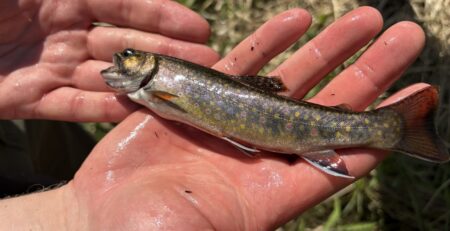
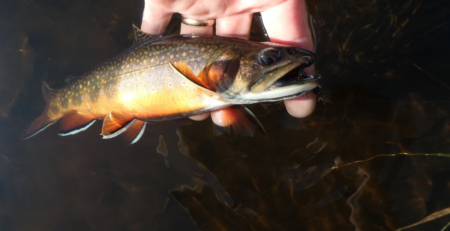
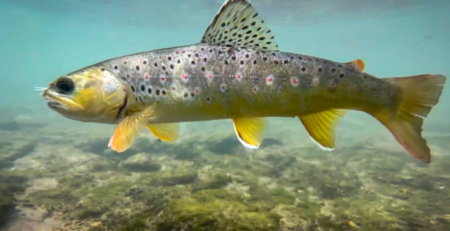
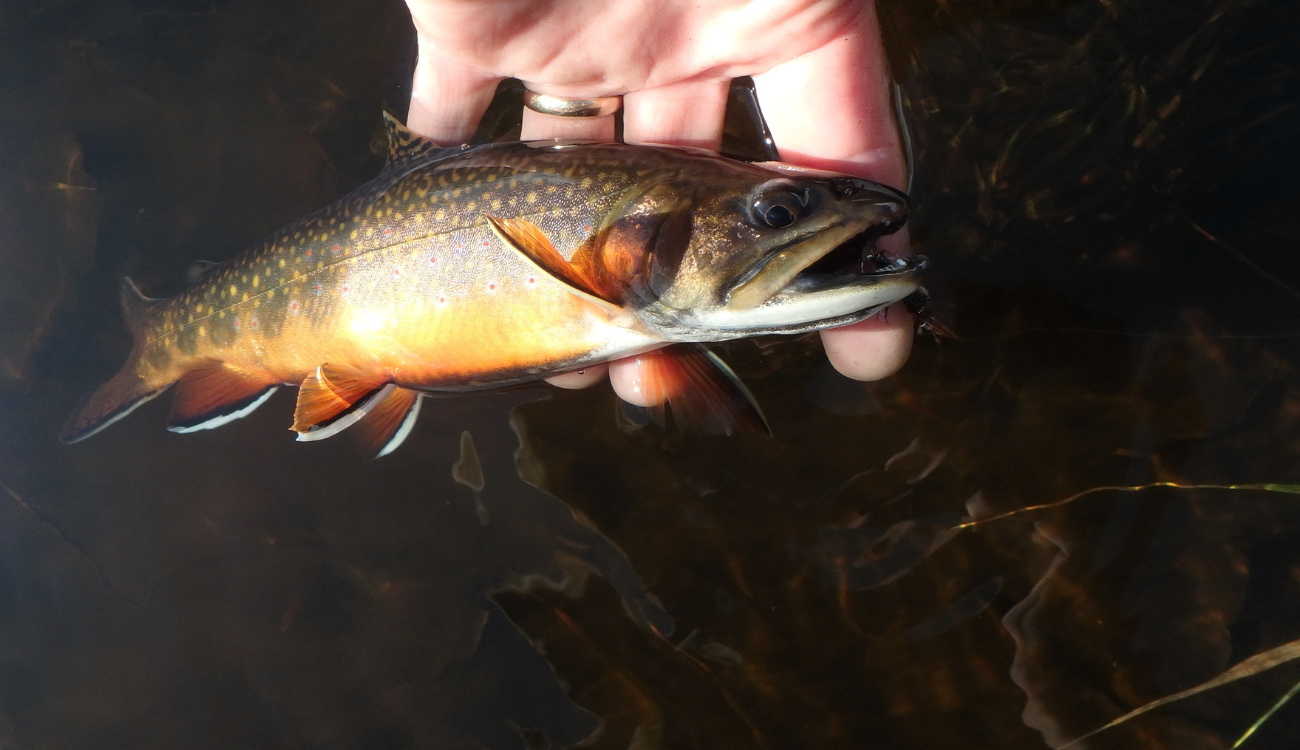
The 1.66 million-square foot data center is slated to sit between West Rocky Run and Adolph Creek – two premiere trout streams – and would convert approximately 126 acres of woodland, grassland and wetland acres to impervious surface.
At Minnesota Trout Unlimited, we remain concerned about how the conversion of undeveloped forest and wetlands into impervious surfaces could impact the nearby high-quality spring-fed brook trout fisheries, particularly as it concerns groundwater recharge, stream temperatures and water quality.
The council’s vote was delayed after the Minnesota Department of Natural Resources (DNR) raised concerns and questions about the environmental study, including the project’s potential impacts on nearby springs, wetlands and trout streams and how those impacts will be mitigated. The DNR requested better baseline groundwater data to evaluate the connection between the site’s surface water and groundwater and how the project will affect those interactions.
In response to the DNR’s concerns, eight monitoring wells are being installed to establish the site’s baseline groundwater conditions prior to construction. Monitoring is expected to continue throughout construction, with the data made public and regularly reported to the city. The city plans to use that data to inform its adaptive management plan and will coordinate with staff from the DNR and Minnesota Pollution Control Agency for their technical assistance.
What’s next?
This project highlights a broader issue regarding our coldwater resources. Under Minnesota’s Wetland Conservation Act, developers that disrupt wetlands must replace an equivalent amount of wetland elsewhere through restoration or the purchase of wetland credits from an approved wetland bank. However, under the rule, replacement wetlands don’t have to be located in the same watershed where the wetlands were lost.
The Minnesota Board of Water and Soil Resources, which oversees the Wetland Conservation Act, is in the process of updating the act’s rule and is expected to open a public comment period in the coming months.
When that public comment period opens, MNTU will advocate for requirements that prioritize avoidance and replacement of wetlands within the same watershed as the disturbance. Wetlands play an essential role in maintaining the health of our trout streams and it’s critical that mitigation supports the resources impacted by development.
This is the second time the council has approved an AUAR. In March, the city agreed to update the environmental review study after a lawsuit from the Minnesota Center for Environment Advocacy (MCEA) and a local opposition group noted that the study lacked the required analysis and failed to disclose that the project was a large data center.
While many hyperscale data centers use substantial amounts of groundwater for cooling, this project commits to using an air-cooling system. That addresses one of our concerns, but it doesn’t eliminate the environmental risks associated with developing the land around groundwater-fed trout streams.
We will watch for updates on the groundwater monitoring data and the city’s mitigation plans.