

MNTU’s barrier removal projects also benefit aquatic invertebrates
Culvert replacements also help rebuild the larger aquatic food web.
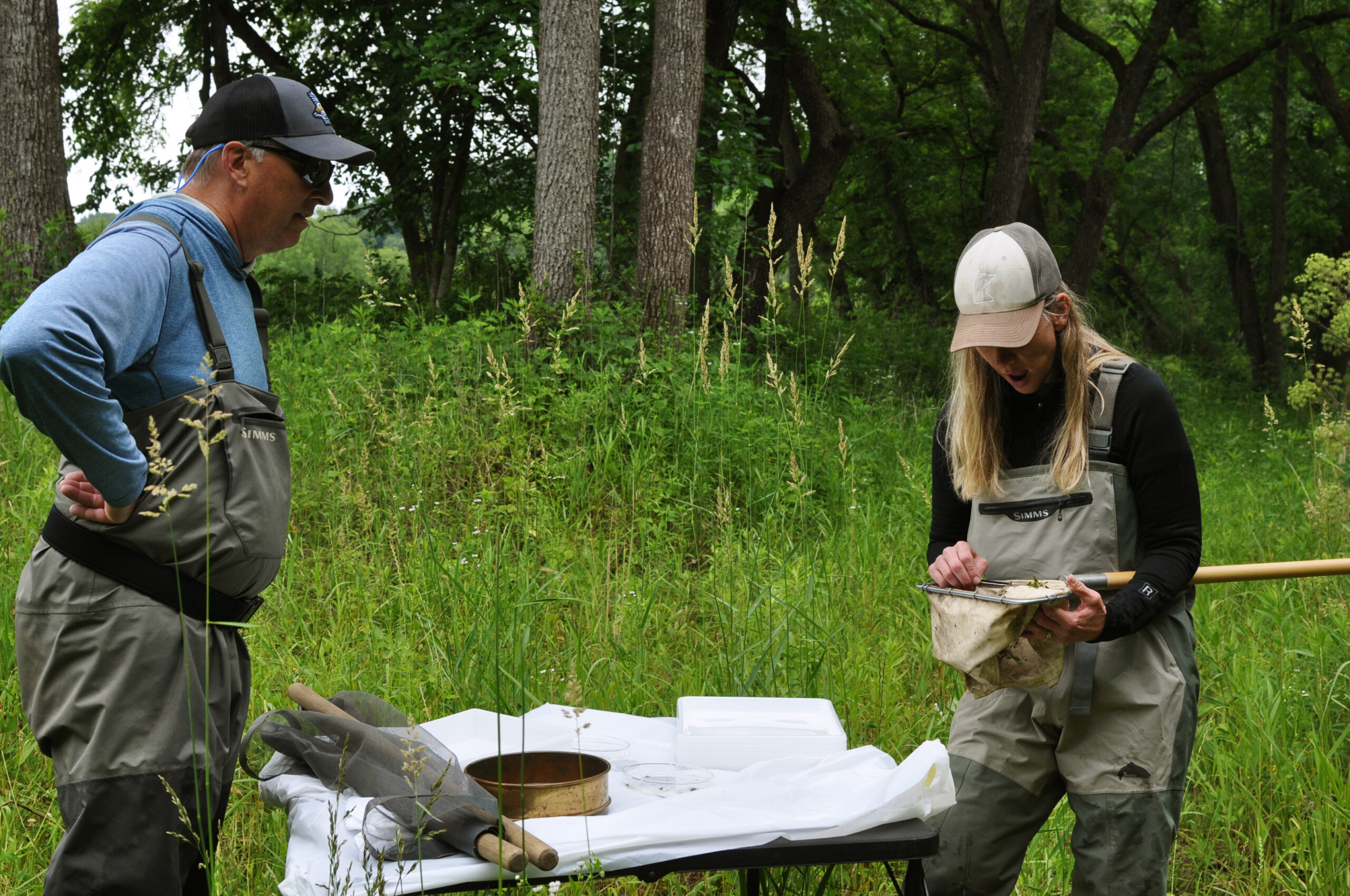
Culvert replacements also help rebuild the larger aquatic food web.
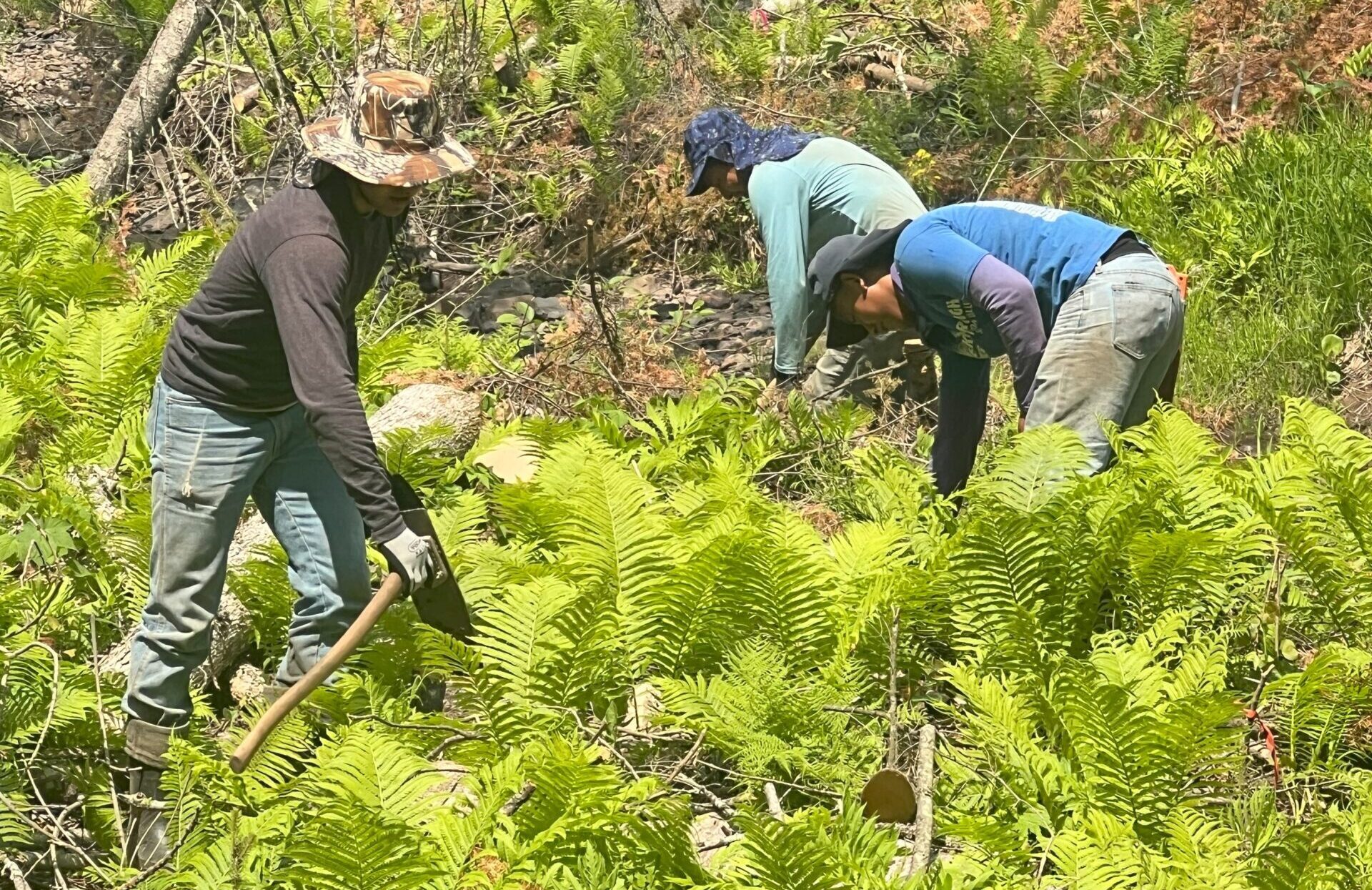
If you’ve fished along a trout stream in northeast Minnesota lately, you’ve probably noticed the standing dead spruce and balsam fir, open gaps in the forest canopy, and more brush than you’d expect in what used to be shaded, coniferous woods. It’s not just about aesthetics - it’s a coldwater...
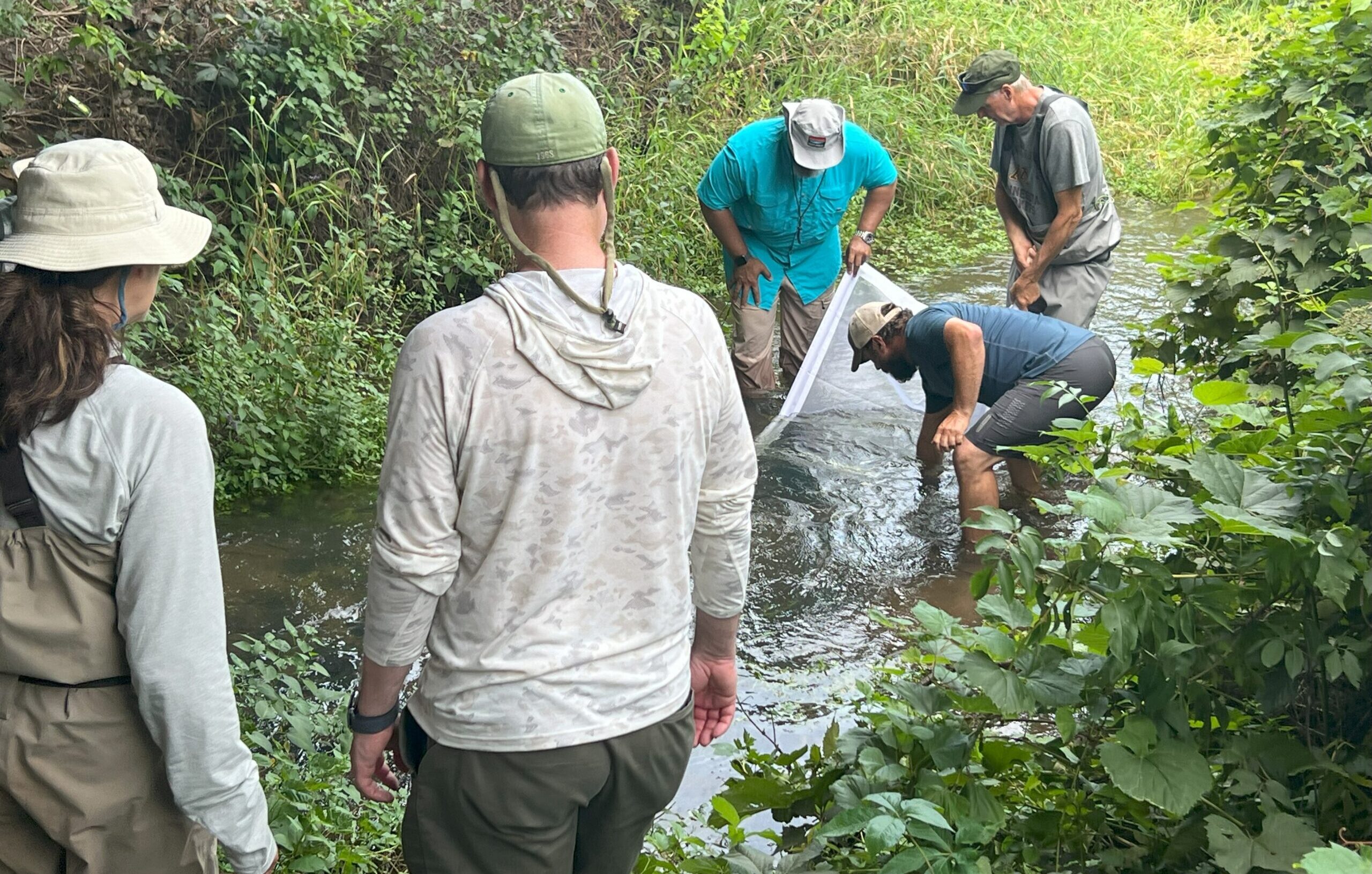
Our assistant director, Kristen Poppleton, often says “teamwork makes the dream work.”As I reflect on my first two years with Minnesota Trout Unlimited, I have a new appreciation for the phrase. The culture of service and commitment to conservation through boots and shovels on the ground by MNTU volunteers and...
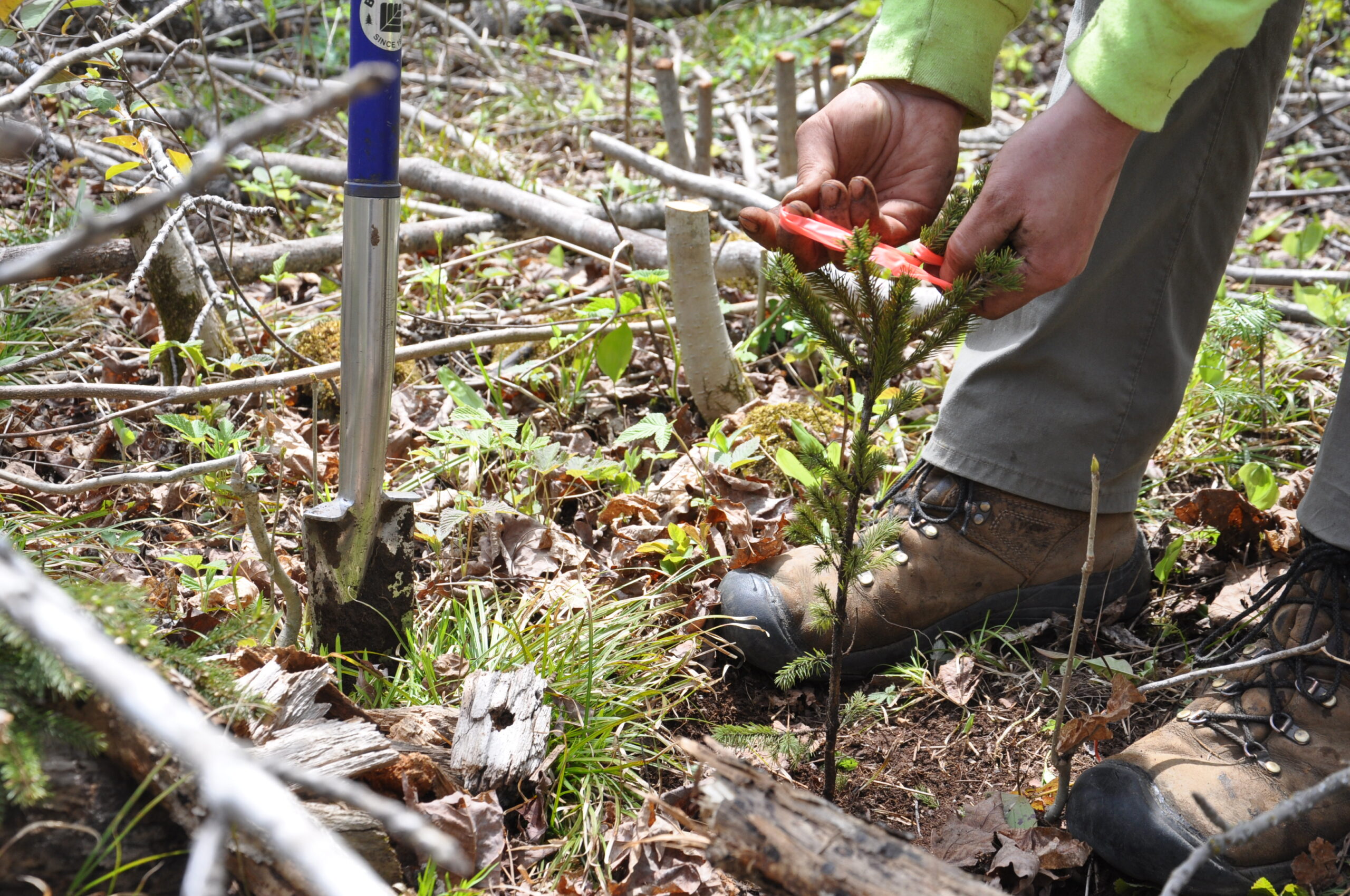
Minnesota Trout Unlimited is dedicated to preserving and improving the health of trout streams across the state. During these cold weeks of early spring, we’ve kicked off our first project of the year in the Sucker River watershed, a top-tier brook trout and steelhead stream east of Duluth. We're implementing...
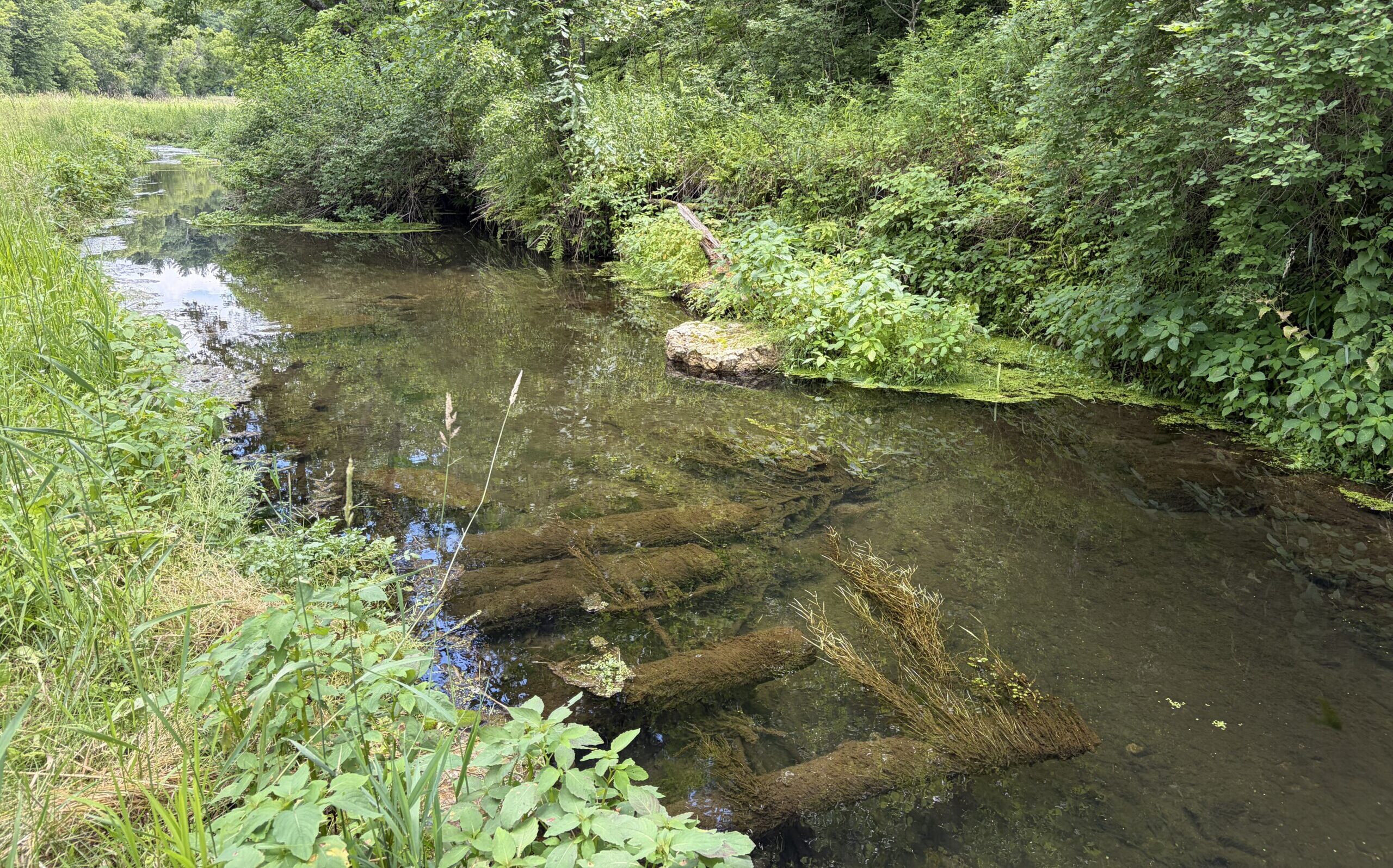
On February 21, 2025 Minnesota Trout Unlimited's (MNTU) design engineers for its Trout Brook project, Emmons & Olivier Resources, Inc (EOR), received a Water Resources Excellence award from the American Council of Engineering Companies of Minnesota for our recent stream habitat restoration project in Miesville Ravine County Park Reserve. ...
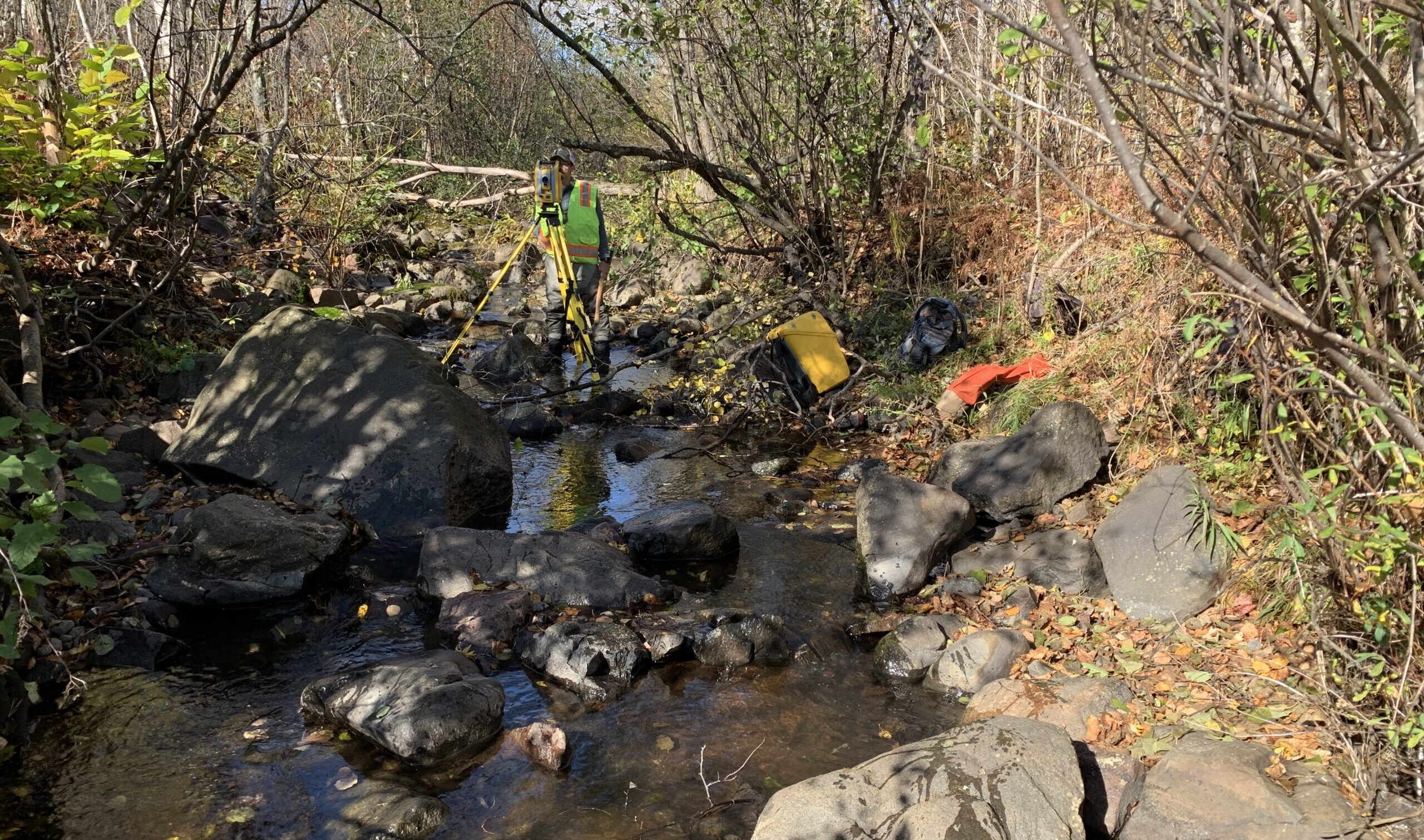
Stream restoration has come a long way from the days of simply lining banks with riprap or other artificial structures to control erosion and stabilize banks. While well intentioned, these methods sometimes led to unintended consequences, like disrupting the stream's natural flow or harming aquatic habitats. Today, the science of...
By Dr. Jennifer Biederman The Driftless Area, spanning parts of Minnesota, Wisconsin, Iowa, and Illinois, is renowned for its spring-fed streams, cold water, and limestone geology. These unique environmental factors create ideal year-round conditions for trout. In streams with the most groundwater influence, both flows and water temperatures remain fairly constant...
If there is one thing that many degraded streams across Minnesota have in common, it’s a lack of key habitat types that support trout of all stages and ages.
The sight of an in-stream habitat improvement project in progress can be a bit eye-opening – heavy machinery, including large excavators are working along the banks and in the stream, often moving large amounts of soil to slope the banks while digging out silted in pools and re-constructing new riffle...
Standing by a newly restored stream, the benefits are often clear: the eroding banks, invasive plants, and barren channels have been replaced with gently sloped banks, deep pools, spawning riffles, and thriving native vegetation. It’s easy to see how these improvements boost fish populations by creating better habitat for food...