
No hatch to match? The silent decline of aquatic insects in Minnesota trout streams
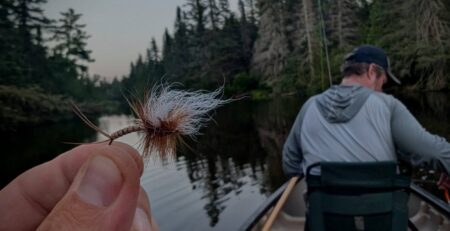
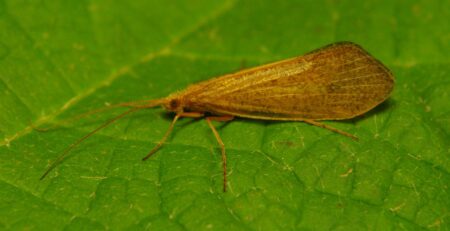
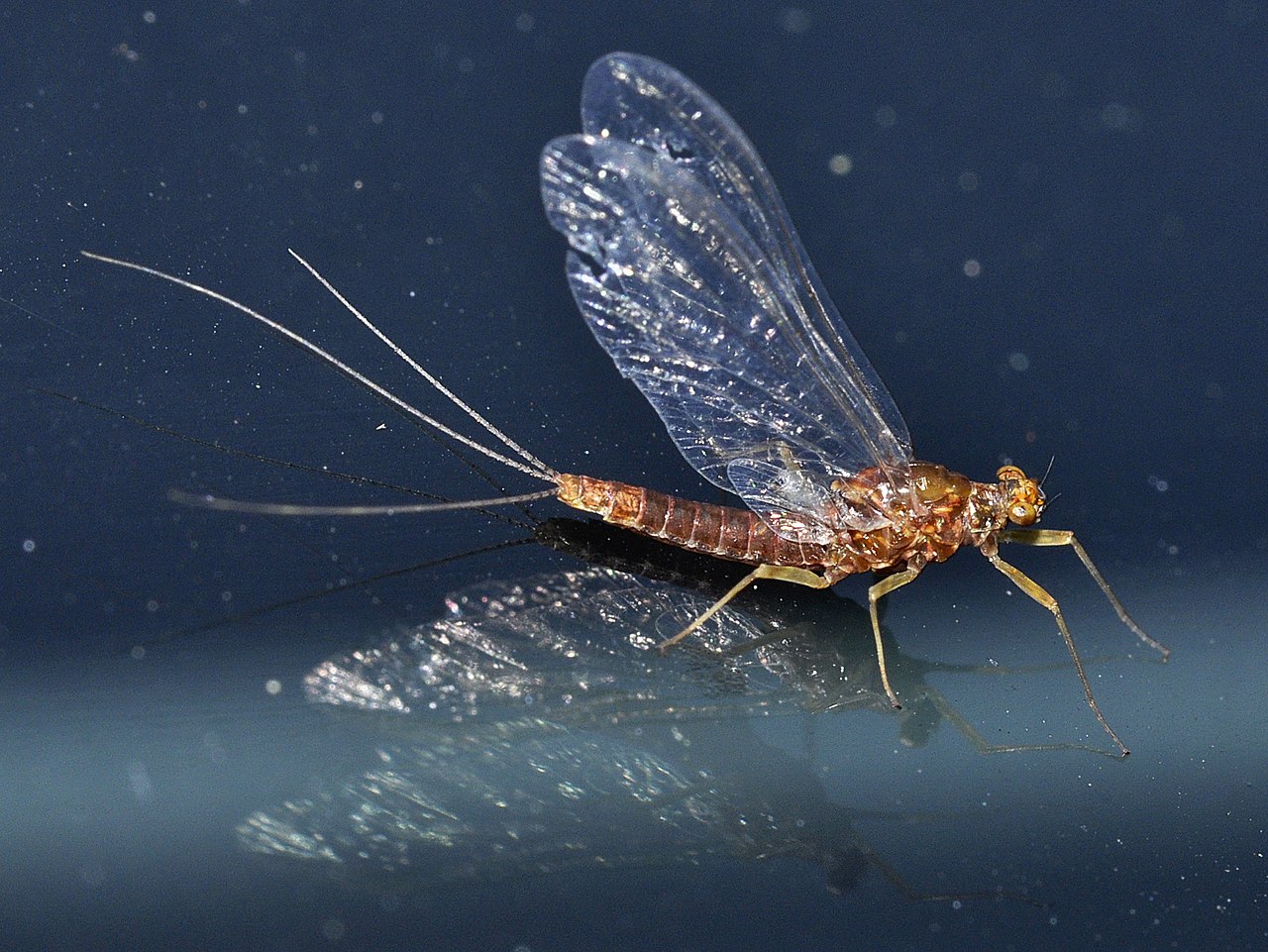
If you’ve spent any time fishing the cold, clear streams of the Driftless Area, you know that matching the hatch is often the key to success. Hundreds of fly patterns exist to mimic the many species of mayflies, caddisflies and stoneflies that emerge throughout the season. But in recent years, something has been off. According to many anglers, the legendary hatches that once made for unforgettable days on the water have become few and far between. Dry fly fishing, once the pinnacle of trout angling, just doesn’t seem as effective as it used to be.
So, what’s happening to the insects?
Anecdotal Declines Backed by Science
Anglers have long been the first to notice subtle shifts in nature and the decline in hatches hasn’t gone unnoticed. Many seasoned fly fishers report fewer rising trout and an absence of once-reliable mayfly emergences. While some might chalk it up to bad luck or changing conditions, scientific studies suggest these observations are part of a much larger trend.
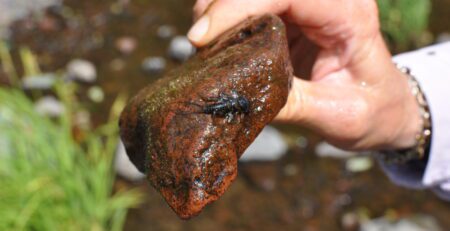
Recent research on aquatic insects in the Midwest has documented staggering declines in mayfly populations, with some studies estimating losses between 50% and 80% (Stepanian et al. 2020). Mayflies, in particular, are highly sensitive to environmental disturbances, making them a biological indicator of stream health. Their disappearance raises concerns, not just for fishing, but for entire aquatic ecosystems.
The Role of Neonics in Declining Hatches
While multiple factors contribute to insect decline (habitat loss, climate change and pollution), one class of pesticides is drawing increasing scrutiny: neonicotinoids, or “neonics.” In fact, our assistant director Kristen Poppleton recently co-presented about the impact of neonics on aquatic habitats with Ellen Voss of the River Alliance of Wisconsin at Trout Unlimited’ s Driftless Area Stream Restoration Symposium in La Crosse, WI. These widely used insecticides are particularly harmful to aquatic life due to their persistence in the environment and ability to dissolve in water, making them easily transported into streams and rivers.
Minnesota Department of Agriculture (MDA) water samples have found neonics in 97% of tested rivers and streams, with levels frequently exceeding thresholds known to harm aquatic insects. Even at low concentrations, neonics can disrupt insect behavior, impair reproduction and ultimately lead to population crashes.
How Neonics Enter Our Waters
Neonics are used in agriculture, landscaping and even pet flea treatments, but the largest source of contamination in Minnesota streams comes from seed treatments, where corn and soybean seeds are coated in neonics before planting. While intended to protect crops from pests, studies show that only about 5% of the applied chemical is absorbed by plants while the rest remains in the soil and washes into nearby waterways.
In heavily farmed regions like southeastern Minnesota, where Driftless trout streams weave through agricultural landscapes, this runoff is particularly concerning. Water sampling consistently detects spikes in neonic concentrations following spring planting and rain events, coinciding with the very time of year when aquatic insect hatches should be at their peak.
The Ripple Effect on Trout Fishing
Fewer aquatic insects don’t just mean fewer rising trout, they disrupt the entire food web. Mayflies, caddisflies and stoneflies are primary food sources for trout and their decline forces fish to adapt by feeding on alternative prey. Some anglers have noted more mid-day subsurface feeding and increased reliance on small nymph patterns, but the magic of dry fly fishing has undeniably suffered.
Beyond angling, these declines could have serious economic impacts. Trout fishing is a major driver of tourism in the Driftless Area, contributing nearly $1.6 billion annually to local economies. The annual economic impact in southeast Minnesota alone is close to $900 million. If insect populations continue to dwindle, it could alter the very character of the region’s famed trout fisheries.
What Can Be Done?
The good news? There are solutions. Some states and countries have already moved to restrict neonic use, with positive results. Ontario, for example, drastically reduced neonic-treated seed use through a verification system and Europe has enacted widespread bans on outdoor applications of these chemicals.
Minnesota can follow suit. Anglers, conservationists and policymakers can push for better regulation of seed treatments, more extensive water monitoring and integrated pest management (IPM) approaches that reduce reliance on broad-spectrum insecticides.
At the individual level, anglers can make informed choices about garden and pet care products, support native plant nurseries that avoid neonic contamination and stay engaged in conservation efforts. Minnesota Trout Unlimited is actively working to address this issue.
If you care about the future of our trout streams, now is the time to get involved.
Read more about MNTU’s advocacy work and submit your own story or observations of changes along your favorite trout stream.