
Fishing the Hex hatch
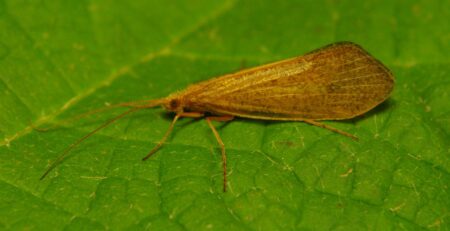
It’s mid-summer in Minnesota, the streams are starting to warm up and the fishing can start to become more challenging. For those that are willing to put in the effort, fishing the Hex hatch can be one of your best opportunities for catching your biggest fish of the year! Hexagenia limbata, commonly referred to as the “Hex,” is North America’s largest mayfly.
The Hexagenia limbata biology
The Hex hatch typically occurs from late June through mid-July, depending on water temperatures. These insects are specialized burrowers, thriving in streams and lakes with soft, silty bottoms where their nymphs spend one-to-two years developing. This prolonged nymphal stage is what allows them to reach such impressive sizes compared to other mayflies. When conditions align — typically when water temperatures reach around 60 degrees — the nymphs migrate from their burrows, swim to the surface and emerge as adults.
Gear for Hex fishing
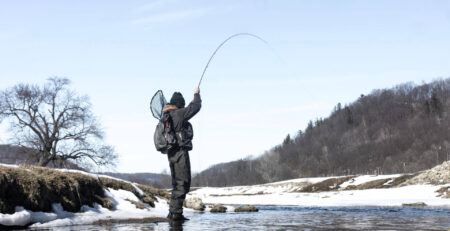
Hex fishing can have great rewards, but it comes with its own set of challenges. Because these mayflies hatch in the evening and into the night, you will be fishing in the dark. And if you have spent any time outside during a Minnesota summer, you know that mayflies won’t be the only bugs out at night. In addition to your typical fishing gear make sure to bring a headnet, bug spray and a headlamp. Always wear a headlamp when canoeing or hiking in and out, but keep it turned off while you are on the water to maintain your night vision.
Wading at night is significantly more challenging, so move slowly and stay in water depths you are comfortable with. If you do need light to help re-tie or find your footing, try using a red light and avoid shining any light directly into the water you are fishing.
Along with gear for fishing at night, having the right rod, leader and fly selection is critical. A 4-wt. or 5-wt. rod will work, but having a 6-wt. or even 7-wt. isn’t unreasonable. Casting large air-resistant flies can be a challenge on lighter rods. However, the last thing you want to do is tangle your light leader or break off your fly on an errant cast. Shorter heavier leader setups like 7.5-foot 3x or even 2x are a better option.
Wading vs. canoeing
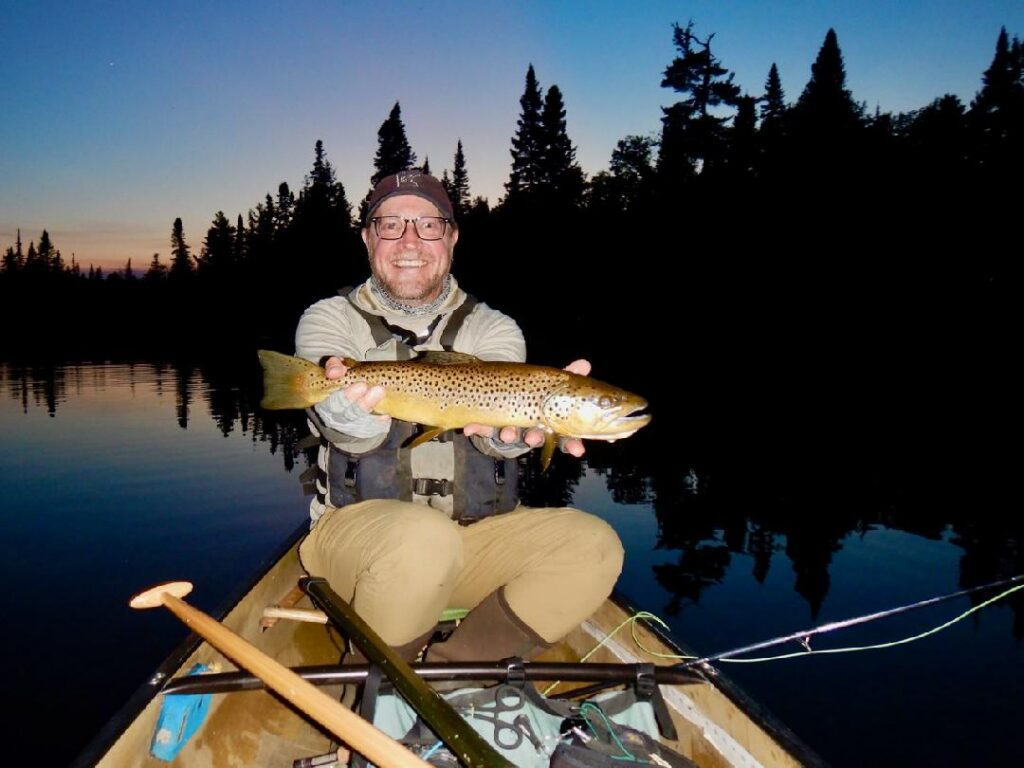
Different locations require different ways of access. Wading and canoeing are the most common. Each with their own sets of pros and cons. Some rivers allow for wading, but when fishing in the dark I prefer fishing from some form of watercraft. This will allow you to cover significantly more water and access sections that might be too deep or treacherous to wade. While a canoe provides a stable platform and the ability to reach remote stretches, it demands different skills, particularly in handling the boat while navigating around obstacles in low-light conditions. Many anglers choose to alternate between both, using a canoe to reach distant pools and wading to fish them thoroughly.
Hex fishing techniques
While the hatch occurs in the evening, it is still worth fishing during the afternoon as long as it’s not too hot out. While there may not be any hatches going on, many trout may be feeding on the emerging mayfly nymphs in these areas. Techniques ranging from nymphing a mayfly pattern to swinging a wet fly emerger, or even using an olive Woolly Bugger, can work well before the hatch.
The other benefit of fishing earlier is to scout out the water and make sure you are in an area with a soft silty bottom and there are limited branches and snags, or you at least know where they are.
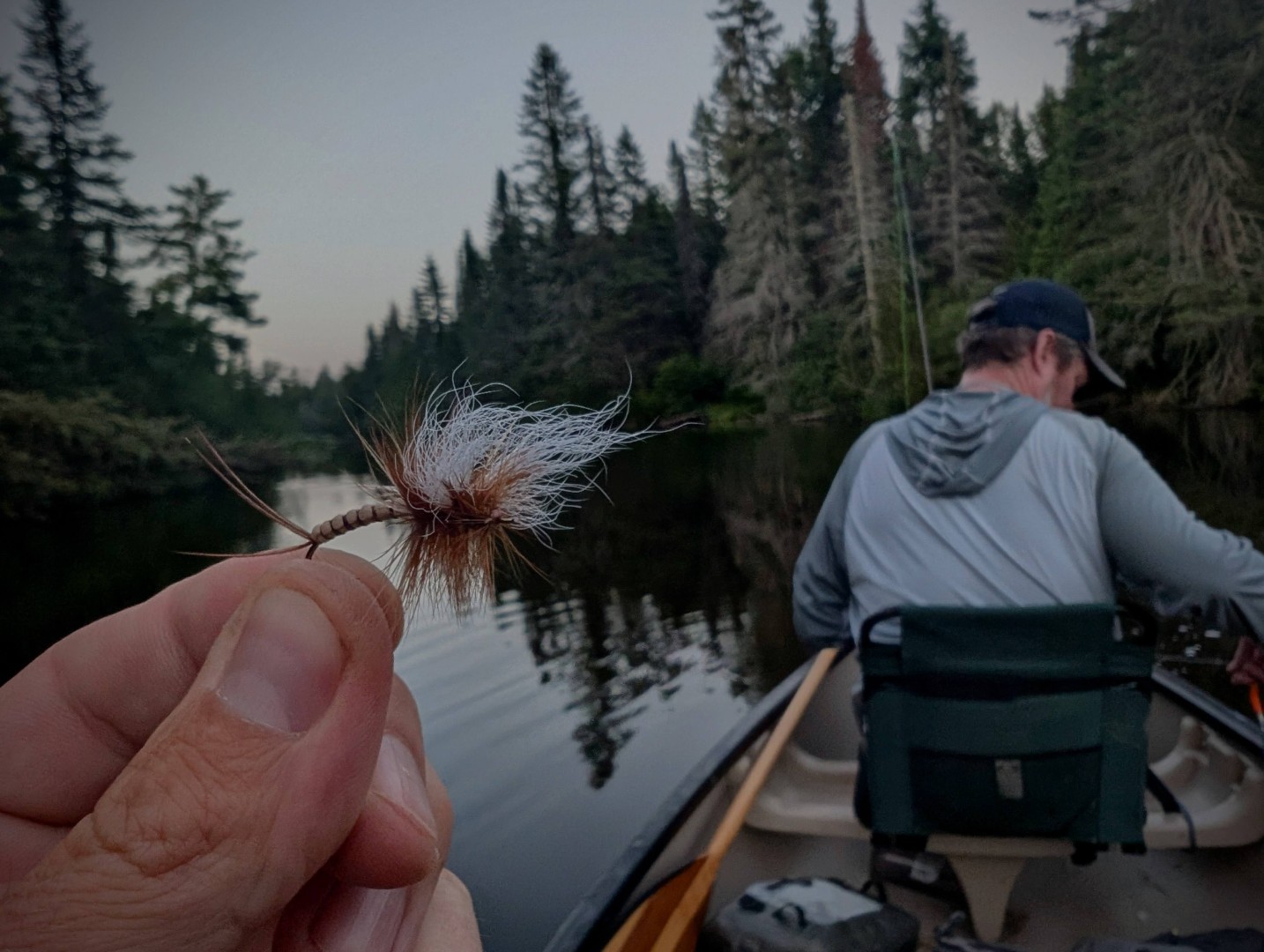
Once the sun starts to set, you want to be in position with your rod rigged with a hex dry fly. I prefer to start with a foam or deer hair parachute-style dry fly that better imitates a dun emerging. As the night goes on you may start seeing the spinner fall as these mayflies lay their eggs and fall “spent” back to the surface. When this happens, switching to a spinner dry fly can be more realistic and may help you trick a finicky trout into eating. I like having some style of white sighter on my flies for realism and also for detecting strikes, but as the sun goes down you may not be able to see your flies anymore. Instead of visually seeing a strike, you will need to listen for the “slurp” or “gulp” rising near where you had cast your fly. Set the hook and if you didn’t hook a fish simply lay your fly back down on the water.
Tying an extended body Hex dry fly
When tying a Hex pattern, the primary goal is buoyancy and visibility. You’ll want patterns in sizes 4 to 8, utilizing materials like deer hair or foam that can support the fly’s size without waterlogging. Don’t worry about perfect imitation. In the dark, the fish are looking for a silhouette and the specific disturbance on the surface, so a pattern that floats high and is easy for you to track is your best bet.
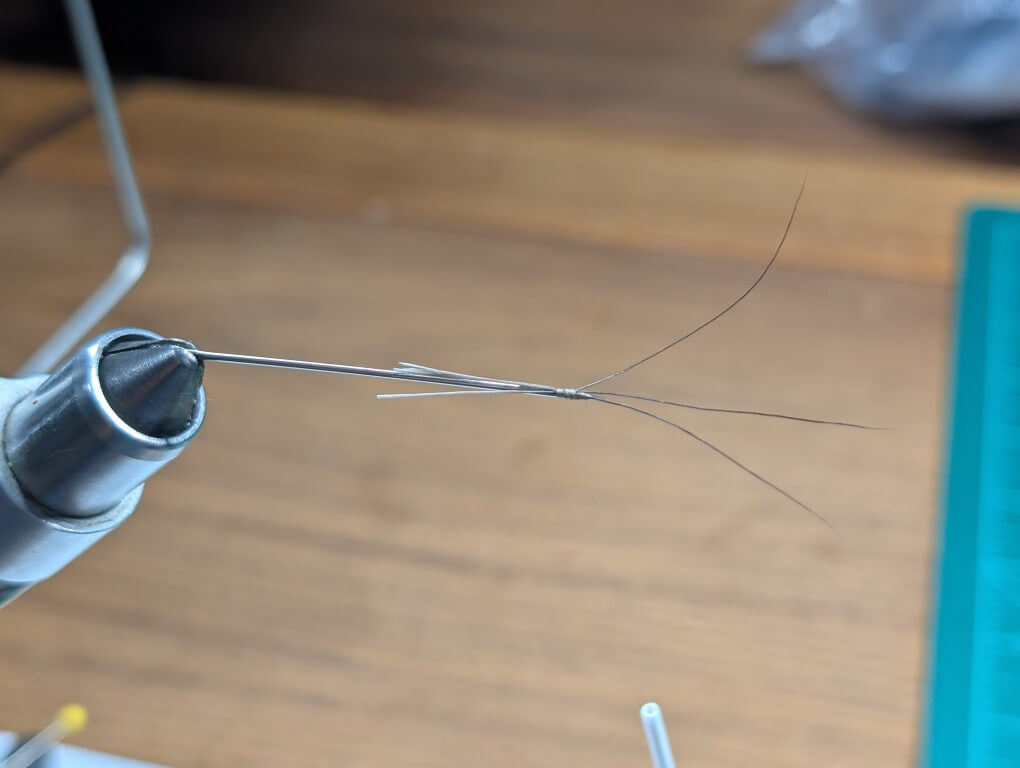
To tie an extended body Hex dry fly start out with a sewing needle in your vice. Get your thread started by loosely wrapping around the tip, then tie in three moose mane or deer elk hairs, tie in a small clump of primo deer hair or yellow foam with open wraps, then wrap back towards the tip of the needle and whip-finish. I like to add some head cement to keep the thread from unraveling. Remove the deer hair from the needle and add a #10 dry fly hook. Tie the extended tail onto the hook then add a para post. Tie on a the base of a tan or light brown hackle feather to the post. Add dubbing to create the thorax, palmer the hackle down the post and whip-finish at the base of the post. Add a little bit of head cement to the threads to keep your fly from unraveling.
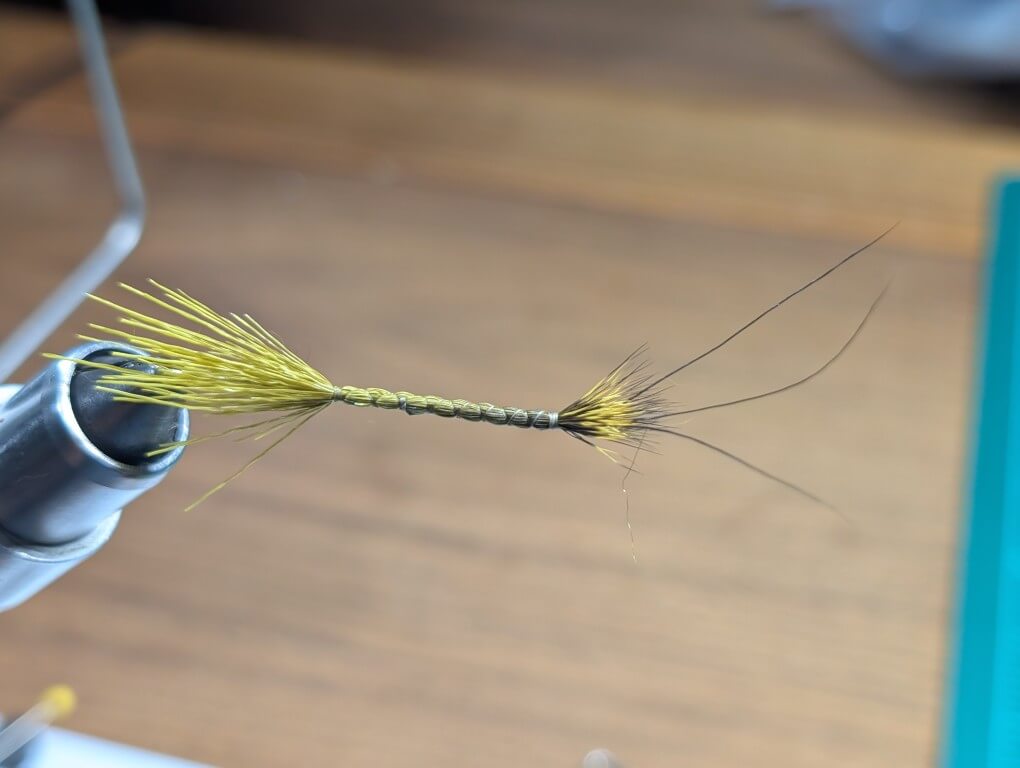
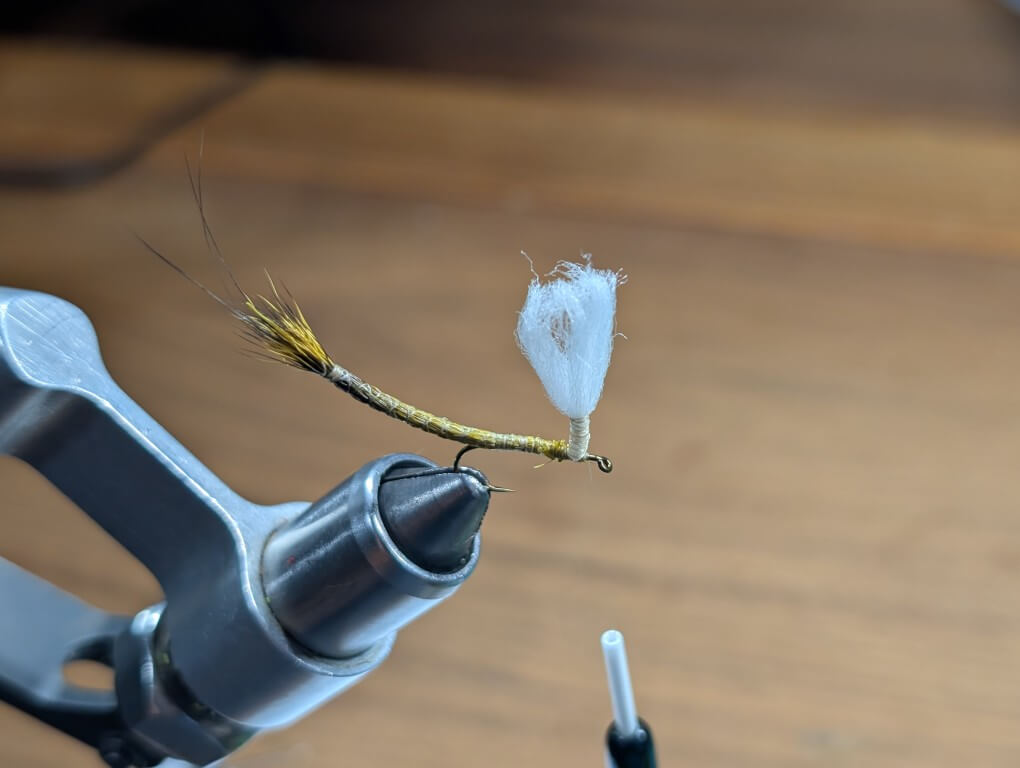
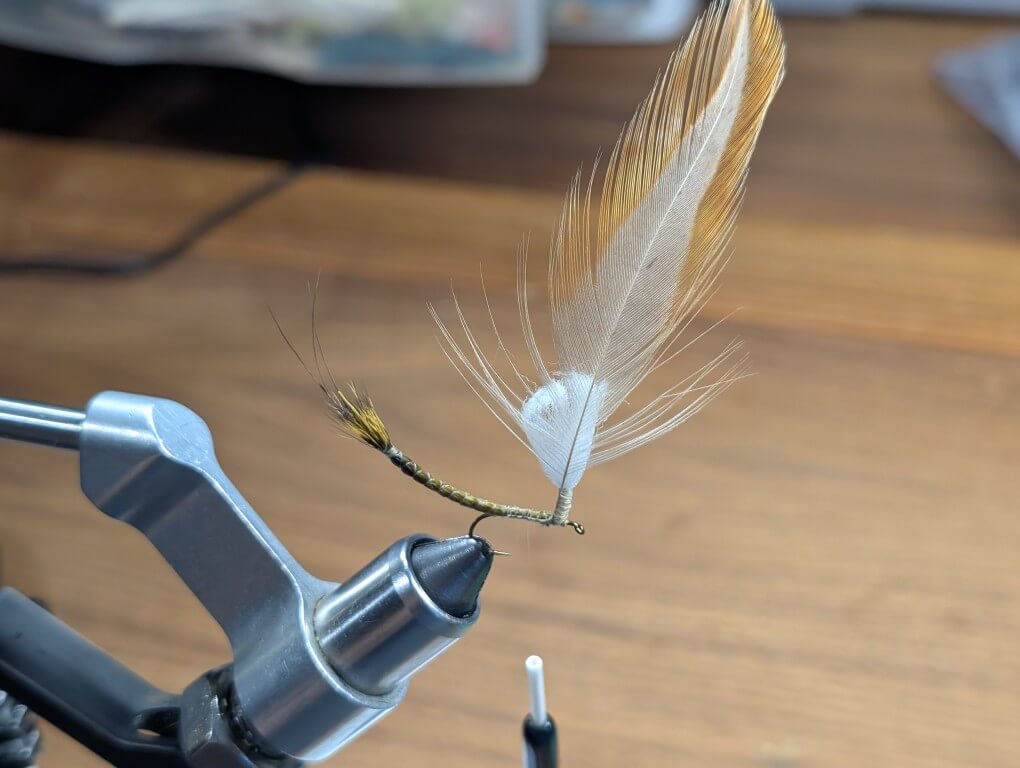
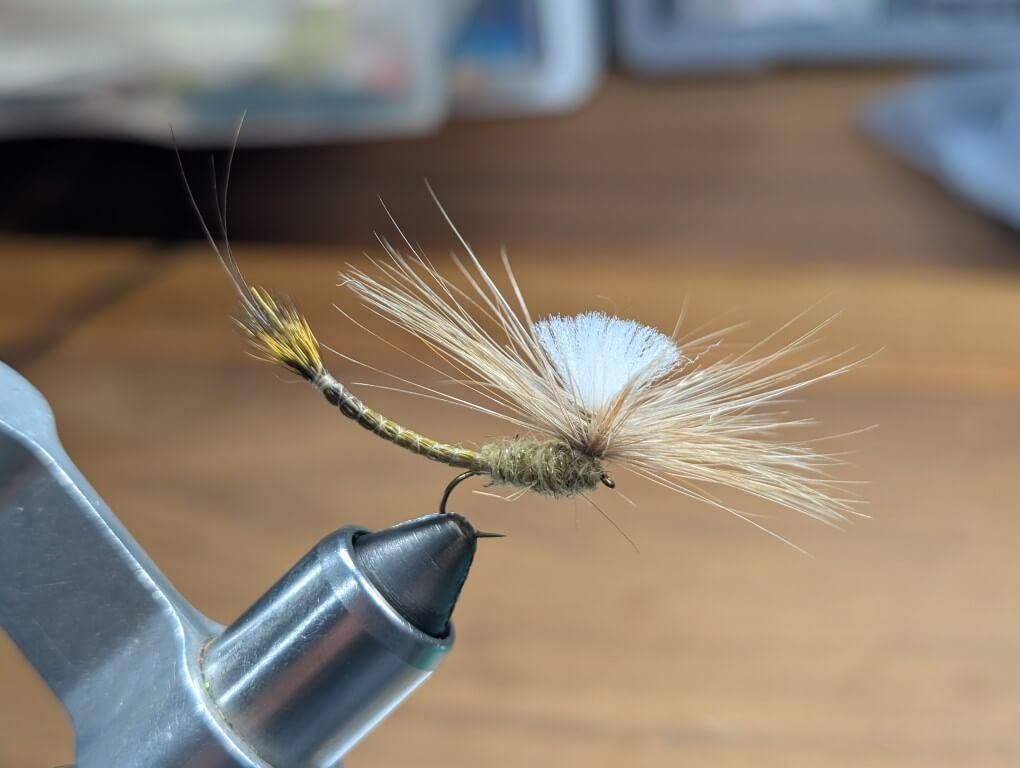
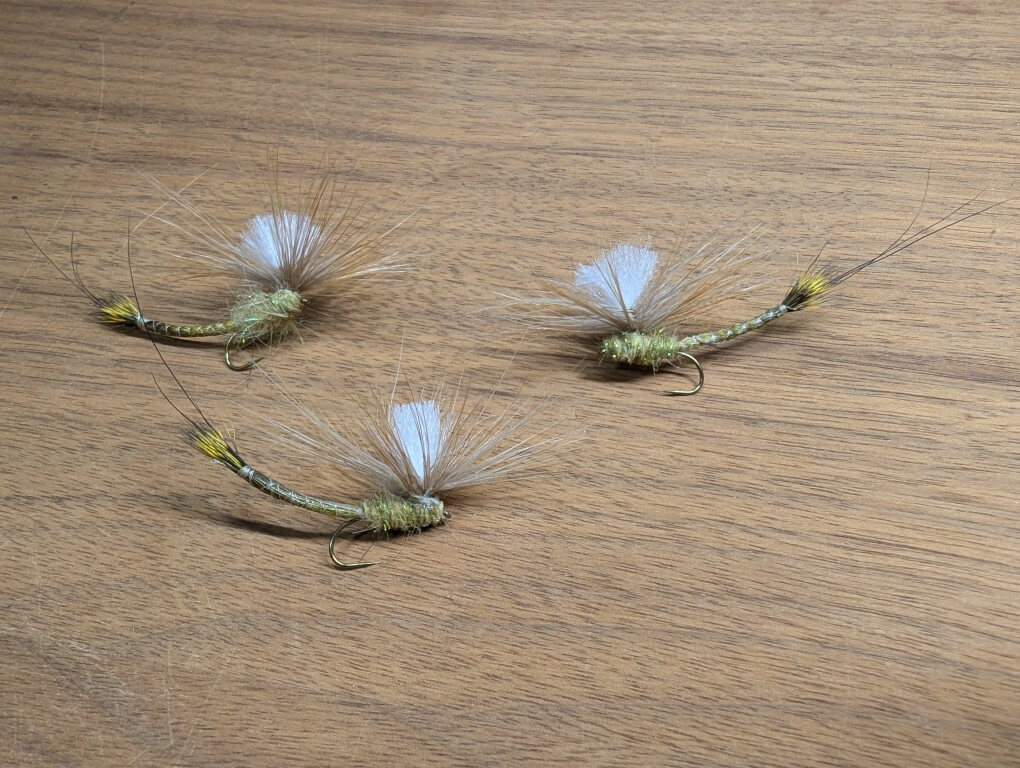
Hex fly recipe
- Thread: 70d yellow, tan, or brown
- Hook: #10 dry fly hook
- Tail: moose mane, elk hair or micro fibbetts
- Abdomen: primo deer hair or foam
- Thorax: light yellow or brown dubbing
- Sighter: white para post
- Wing: tan or light brown saddle hackle
Conservation: The foundation of the hatch
Maintaining these hatches requires consistent habitat management. Since 2009, Minnesota Trout Unlimited (MNTU) has restored over 100 miles of instream and riparian areas. Projects on the South Branch Root River and Eagle Creek aim to reduce sedimentation, which helps maintain the silty substrate that Hex nymphs inhabit. The health of macroinvertebrate populations is a primary indicator of stream quality. Protecting these hatches is central to MNTU mission’s to sustain Minnesota’s coldwater fisheries and the macroinvertebrates our local trout need to survive.
Our five chapters continue to advocate for the water quality standards that protect these aquatic life cycles. As we have seen with the decline of certain aquatic insects in the Driftless Area, we cannot take these hatches for granted.
The massive hatches that draw us to the water each summer are not guaranteed. They are a direct reflection of the water quality and habitat health of our streams. By supporting habitat restoration projects you play a direct role in ensuring these hatches continue for future generations. If you’re interested in helping, consider checking out the current MNTU volunteer opportunities and speak up for Minnesota streams during the Minnesota Department of Agriculture’s neonics comment period.