
Action alert: Protect coldwater streams through Minnesota’s feedlot rules
Minnesota’s trout streams and groundwater are some of our most valuable — and most vulnerable — resources. Minnesota Trout Unlimited is urging our members to tell the Minnesota Pollution Control Agency to strengthen the Feedlot Rule to better protect clean water and healthy aquatic ecosystems.
Specific comments on aspects of the Feedlot Rule that need to change are important and if you are interested in developing some of your own that is great. MNTU is currently developing specific comments that will be submitted. However, it is valuable for citizens to send a large volume of comments that make it clear that rule changes are needed, why it is this important, and why you care.
Some reasons we know these updates are critical include:
1. Water Quality Impacts
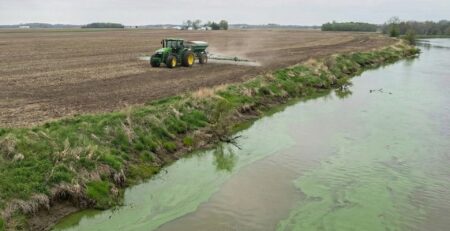
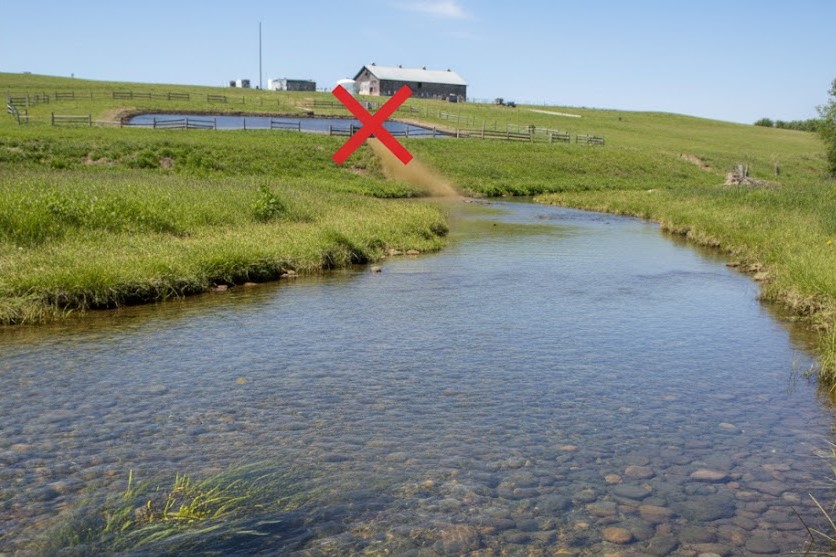
•Feedlots produce large volumes of manure that can carry a variety of chemicals and nutrients including nitrogen, ammonia, and sediment into nearby waterways
•Nitrates reduce the size and survival of trout populations and impact the macroinvertebrate populations trout depend on for food.
•Ammonia from manure is directly toxic to fish at even relatively low concentrations and has been tied to recent fish kills in southeast Minnesota.
•Excess nutrients can cause algae blooms that reduce oxygen levels, killing aquatic insects and stressing or killing trout.
2. Groundwater Contamination
•Trout streams depend on clean, cold groundwater.
•Many feedlots are located in the southeast Minnesota karst region, where groundwater moves quickly through cracks and sinkholes.
•Nitrate pollution from manure can easily seep into aquifers, threatening groundwater-fed trout streams.
3. The true costs of a weak Rule:
Remediating polluted aquifers and restoring degraded streams is exponentially more expensive than preventing pollution upfront.
You can read more about the Feedlot Rule here and MNTU’s initial thoughts on the update here . For a more comprehensive overview of the impacts of Feedlots in our state read the recent report from the Environmental Working Group.
STEP ONE : Develop your comments
MNTU continues to develop their technical comments to submit in July, but we do suggest you include one or more of the following changes in your comments.
The Feedlot Rule should be changed to:
1. Require NPDE/SDS permits for feedlots with 600 or more animal units. [permits are currently required only if 1,000 or more animal units]
2. Require all feedlots with 300 or more animal units to prepare a manure management plan and maintain land application records, and submit these to the MPCA and county feedlot pollution control officer. [currently plan development required of only some operations and submittal of plans and records is not required]
3. When manure is transferred by a feedlot owner/operator for application to the land by someone else, require that the transferee also follow the requirements in the manure management plan.
4. Prohibit manure application on frozen or saturated ground, or when rainfall is likely.
5. Require greater setback distances for manure applications from water resources in the karst region and other vulnerable groundwater areas, including prohibiting manure applications within:
- 300 feet upslope or 100 feet downslope of a sinkhole or other direct conduit to groundwater
- 300 feet upslope of a public waterway or tributary of a public waterway
- 250 feet from a private well
- 1,000 feet from a community well
6. Prohibit livestock of a feedlot or facility capable of holding 100 or more animal units from entering a designated trout stream or tributary of a designated trout stream and prohibit livestock of a feedlot or facility capable of holding 300 or more animal units from entering any water of the State.
Suggested format:
I am writing to ask the MPCA to strengthen the Animal Feedlot Rule, Minnesota Rules, chapter 7020. The state must do more to protect Minnesota’s aquatic resources and feedlots produce large volumes of manure containing nitrogen, ammonia, and other chemicals that wash into waterways and groundwater.
ADD other items you are concerned about. If you want to add something specific, you think needs to change add it here. Feel free to use any of MNTU’s suggestions above.
I care about this because….
Thank you
Insert Name and City, State
STEP TWO: Submit your comments
Comments must be submitted in writing to the Office of Administrative Hearings (OAH) via the rulemaking e-Comments website at https://minnesotaoah.granicusideas.com/discussions
Alternatively, comments may be submitted via U.S. mail to:
OAH attn: William Moore, OAH
600 N Robert St. PO Box 64620
St. Paul, MN 55164-0620
Please note that comments cannot be submitted by email or phone.
STEP THREE: Tell your friends
If you use social media post the following:
🐟 Coldwater streams can’t protect themselves. Join me and @mntroutunlimited in commenting on Minnesota’s Feedlot Rule at https://mntu.org/2025/06/protect-coldwater-streams-strengthen-minnesotas-feedlot-rules/
If you want to send an email:
Subject: Join Me in Protecting Minnesota’s Trout Streams — Strengthen Feedlot Rules Now
Dear _________
I just took action on protecting Minnesota’s trout streams and I invite you to join me! Minnesota is home to some of the finest coldwater trout streams in the country — clean, cold rivers that support vibrant fisheries, outdoor recreation, and rural economies. But these streams are highly vulnerable to pollution, especially from poorly managed manure from animal feedlots.
Right now, the Minnesota Pollution Control Agency is updating the state’s feedlot rules. This is a critical opportunity to strengthen protection for our most sensitive waters and the communities that depend on them. Please visit the Minnesota Trout Unlimited action page and follow the steps to share why you think Minnesota’s Feedlot Rule needs to change.
Thanks for taking action with me today!
You are invited to join us for a virtual session to discuss the Feedlot Rule and write your own comments with MNTU staff. More information here