
Community Science for Winter Anglers: Bugs Below Zero
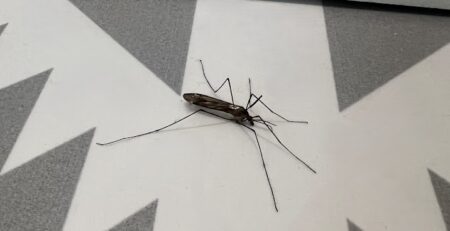
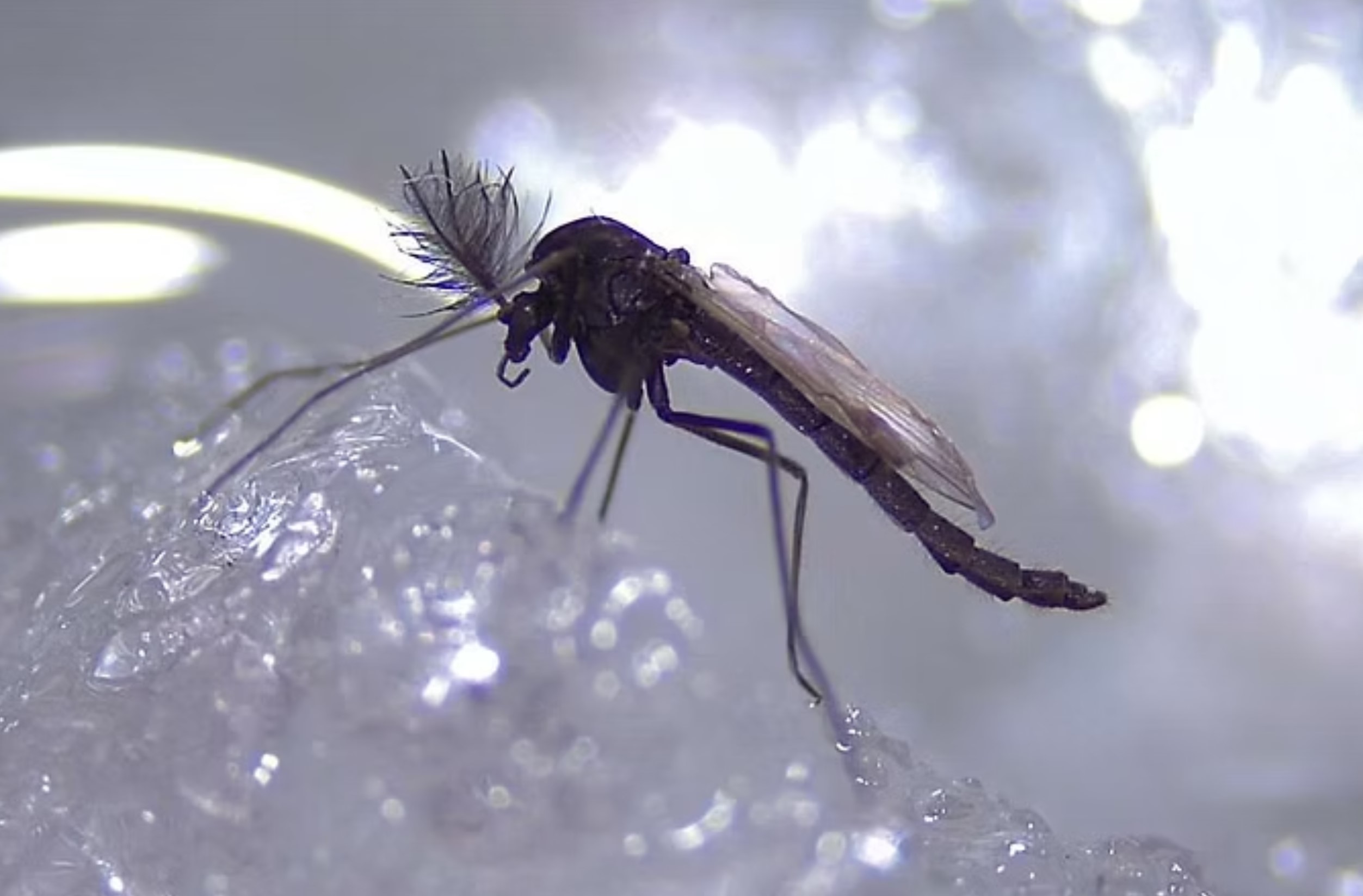
I went to college at Saint Mary’s in Winona, and during the winter months I spent a lot of time hiking and skiing the trails along Gilmore Creek, a classic Driftless trout stream that winds through the back of campus. I still remember the first time I noticed what looked like a mosquito sitting on the snow in the middle of winter. This was pre-smartphone, so without a camera in my pocket, I did the only thing I could: crouched down, studied it closely, and then headed back to the lab to flip through field guides.
Eventually, probably with help from a professor, I learned that what I’d seen wasn’t a mosquito at all, but a midge (often called a “non-biting mosquito”). More specifically, it was an ultra-cold stenothermic midge, a fancy way of saying it’s adapted to emerge during winter. That always stuck with me. One of the things I love most about groundwater-fed trout streams, especially those in the southeastern Driftless Area, is just how dynamic they are in winter. In these systems, trout often continue to grow through much of the winter and early spring, thanks to relatively stable, “winter-warm” water temperatures buffered by springs and an abundance of food—those macroinvertebrates that actually thrive in cold conditions.
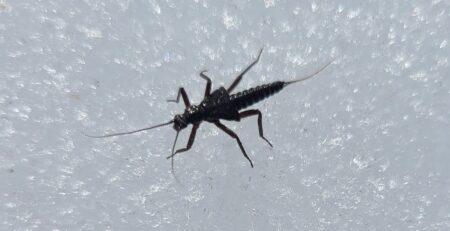
Scientifically, though, there’s still a lot we don’t know about winter-emerging invertebrates like midges and stoneflies. That curiosity is what brings me to this month’s Macro of the Month, which highlights Bugs Below Zero, a community science program of everyday citizens based out of the University of Minnesota that focuses on documenting aquatic insects active when ice and snow dominate the riparian landscape.
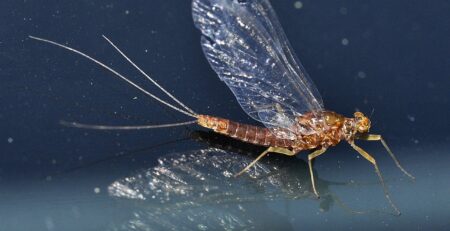
I’ve been involved with Bugs Below Zero, and it’s been exciting to see how much we can learn about stream health simply by paying attention during a season we often overlook, but many of us still love and experience as anglers. Winter-active insects like stoneflies, midges, and mayflies are a critical food source for trout when other resources are limited, and their presence or absence can tell us a lot about how a stream functions and its health over time.
My interest in community science goes back years to my work with the Izaak Walton League of America and their Save Our Streams program. This work always reminds me how powerful it can be when everyday stream users (especially anglers) help collect meaningful ecological data. Today, small but dedicated groups of community members are gathering information on trout streams across Minnesota. (Stay tuned for upcoming Save Our Streams trainings hosted by Minnesota TU chapters if you’d like to get involved.) Bugs Below Zero builds on that same idea of how careful observations by people who already love these places can directly support science, education, and conservation.
The Importance to Anglers
Winter insects support trout survival when other types of food are scarce, and tracking them helps researchers better understand coldwater stream resilience, climate impacts, and ecology. There is surprisingly little known about many of these winter-emerging insects – especially midges – with new taxa waiting to be described and understood, even in Minnesota. The observations collected through Bugs Below Zero are already helping fill these gaps in our understanding of winter stream ecology.
How You Can Get Involved
- Visit Bugs Below Zero to learn about the program
- When you are out fishing (or hiking or birding), look closely at snowbanks and stream edges
- Take photos of any insects you see and note the date, location, and conditions
- Submit your observations through the Anecdata link on the Bugs Below Zero website
You don’t need to be an entomologist; in fact, trout anglers make the best scientists when it comes to coldwater streams. If you are curious, observant, and willing to slow down and look a little closer, you’re halfway there.