
Keene Creek in Hermantown
Minnesota Trout Unlimited habitat restoration and fish passage projects
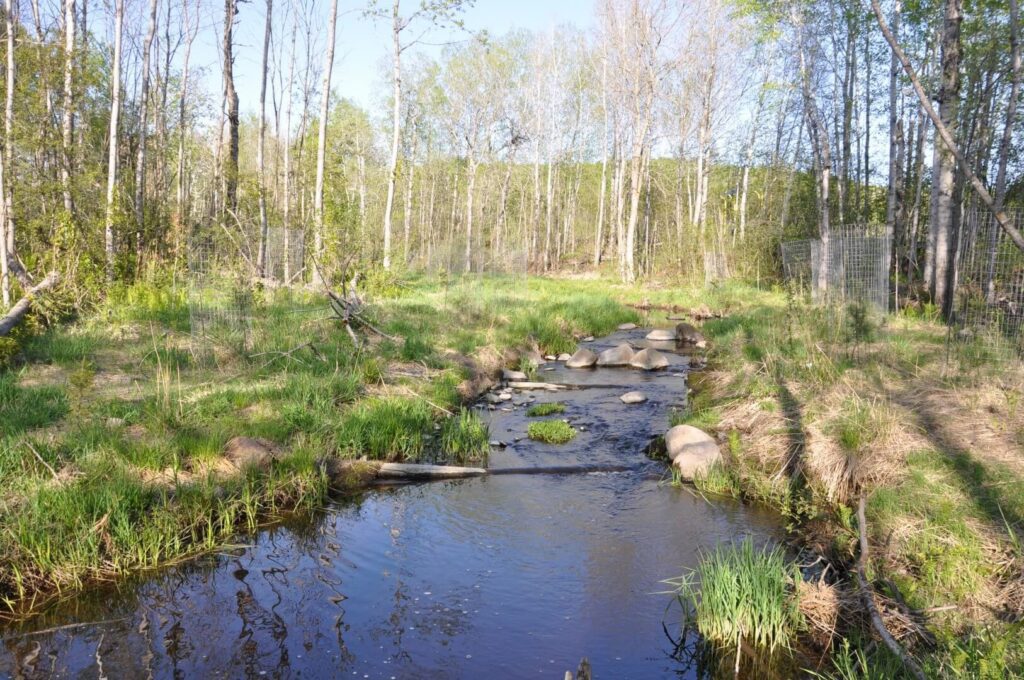
Our habitat improvement projects on Keene Creek include 2,000 feet of stream enhancements and a major fish passage upgrade reconnecting wild brook trout to 8,300 feet of water and habitat.
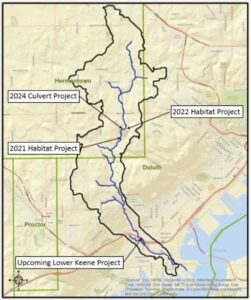
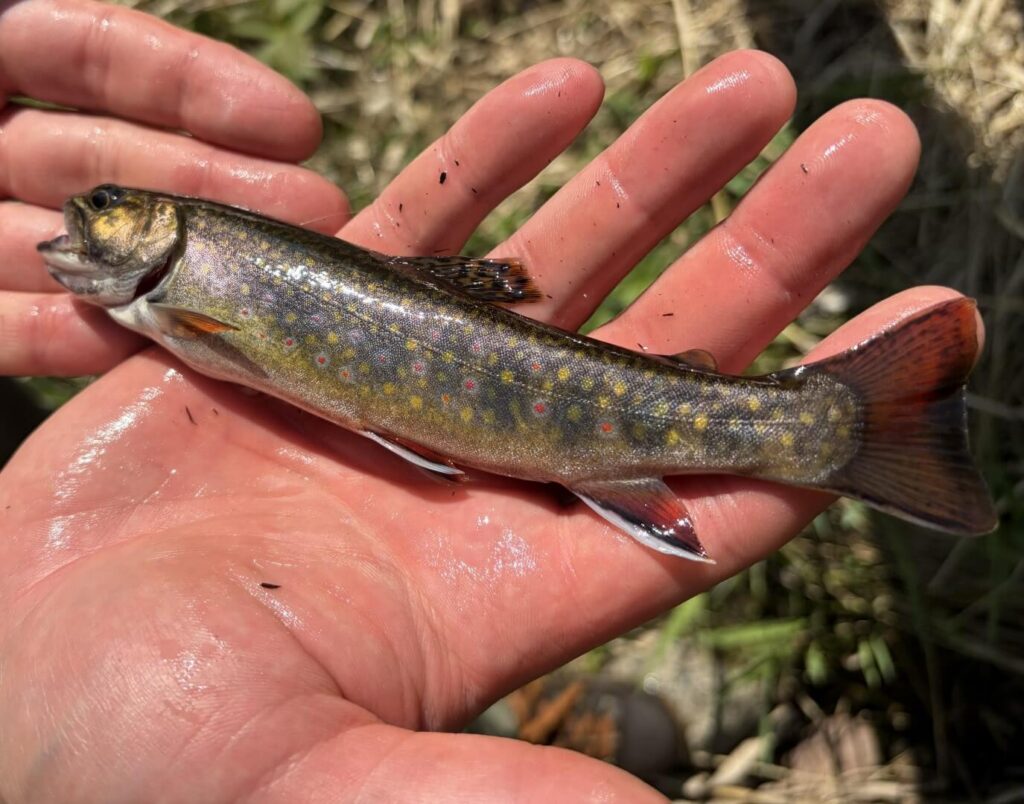
Keene Creek, which begins in Hermantown and flows through Duluth before entering the St. Louis River, is one of the area’s top brook trout fisheries. Our fish passage project connects our two previous habitat improvement projects on Keene Creek.
Fish passage expands habitat
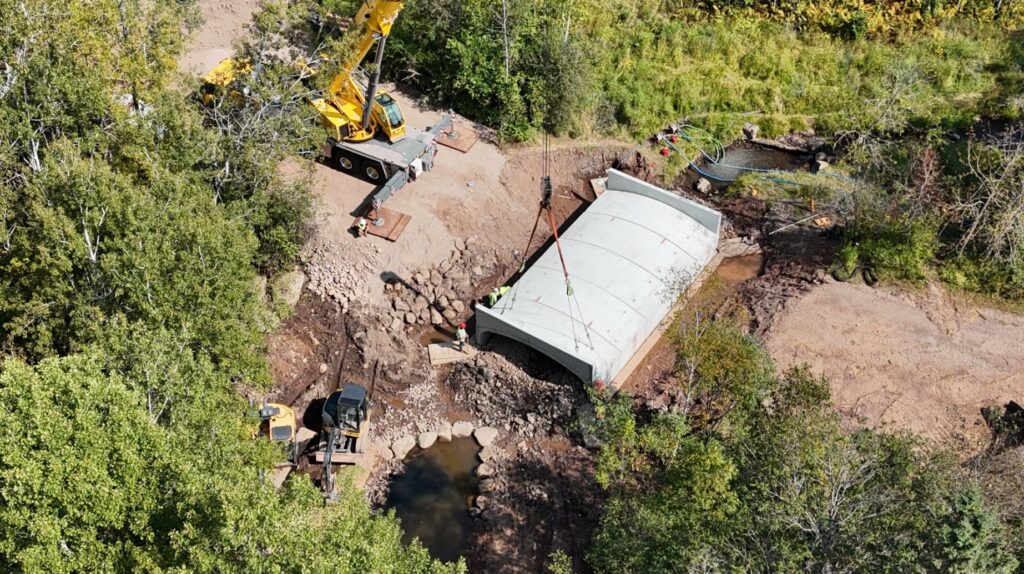
Culverts, like the undersized one we replaced in Keene Creek Park, can act as major barriers for fish, preventing trout from swimming upstream to access spawning habitat and cold water during seasonal temperature shifts.
In 2024, we partnered with the City of Hermantown to replace the culvert on Okerstrom Road in Keene Creek Park. The city provided important financial support.
In the face of increasing climate variation, stream connectivity is one of the most powerful resilience tools we have to support native brook trout and their need for cold, clean and free-flowing water.
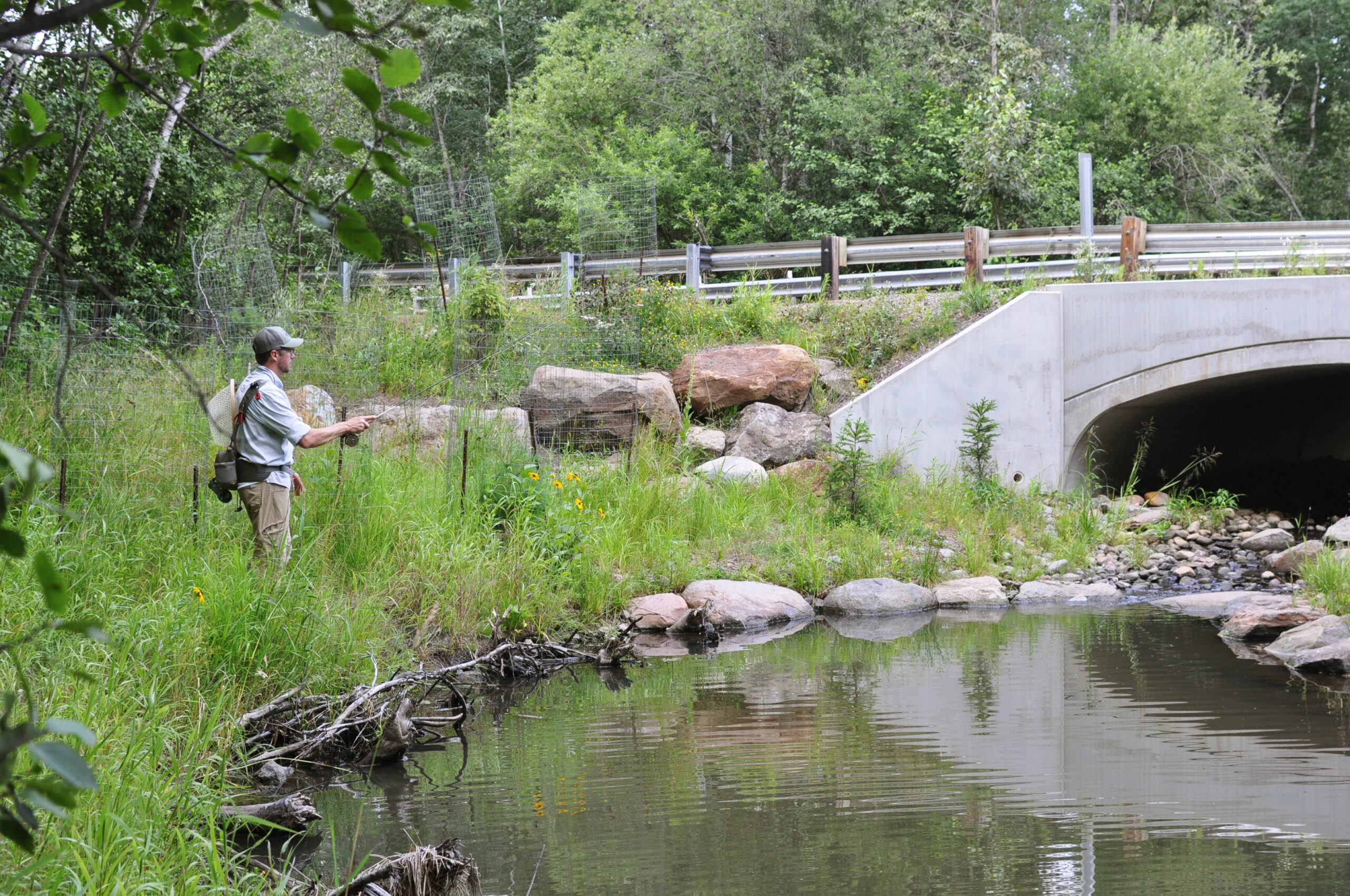
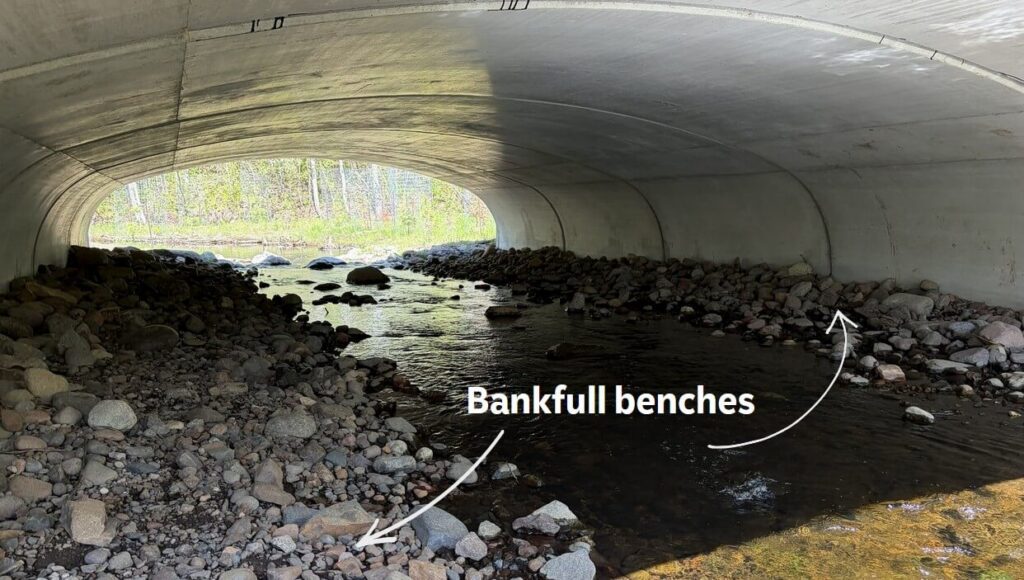
The expanded culvert was carefully designed to support the stream’s natural flow. Gravels and cobbles line the culvert, mimicking the stream to provide resting spots for fish and insects. A “bankfull bench” within the culvert acts as a floodplain, allowing water to spread out and slow during high flows.
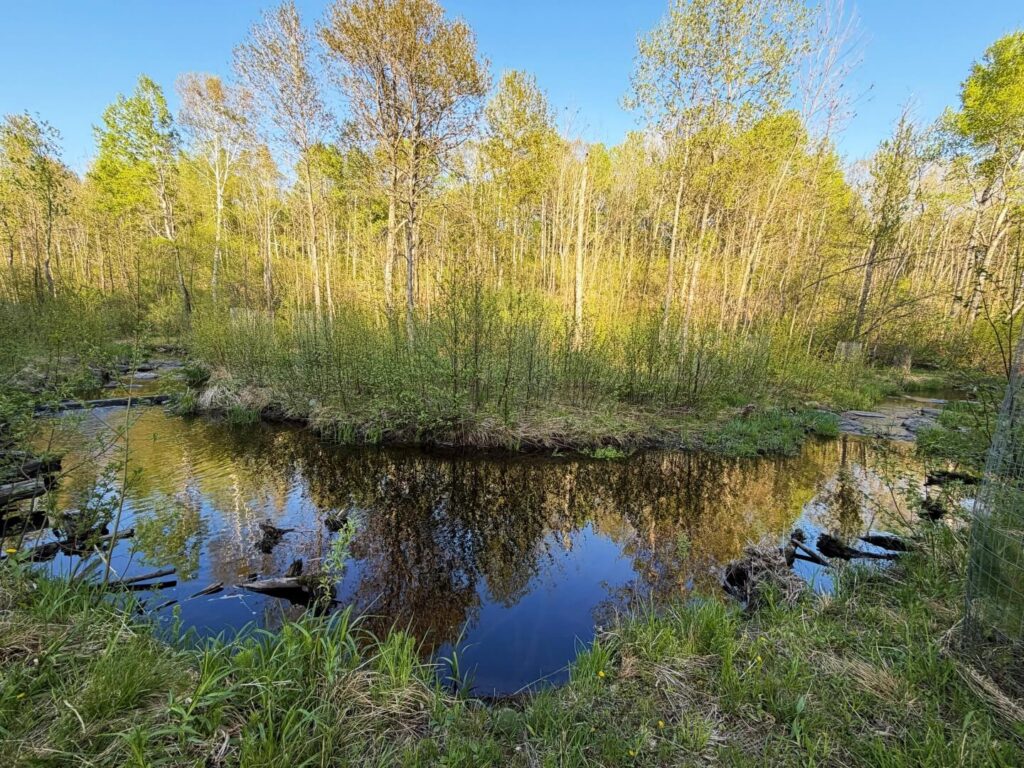
The installation includes a new cross vein to maintain pool depth below the culvert. Habitat enhancements for trout were added to the pool, including boulders and toewood. Dozens of native trees, including white pine, white spruce and white cedar were planted along the stream.
Habitat restoration
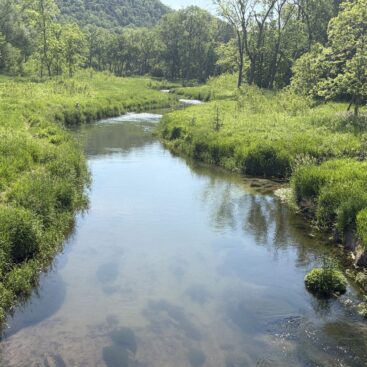
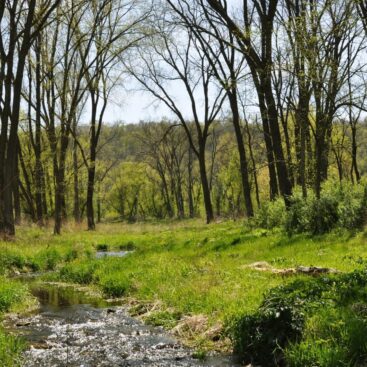
Our habitat restoration projects restored degraded sections of Keene Creek both downstream (2021) and upstream (2022) of the culvert.
Habitat enhancements:
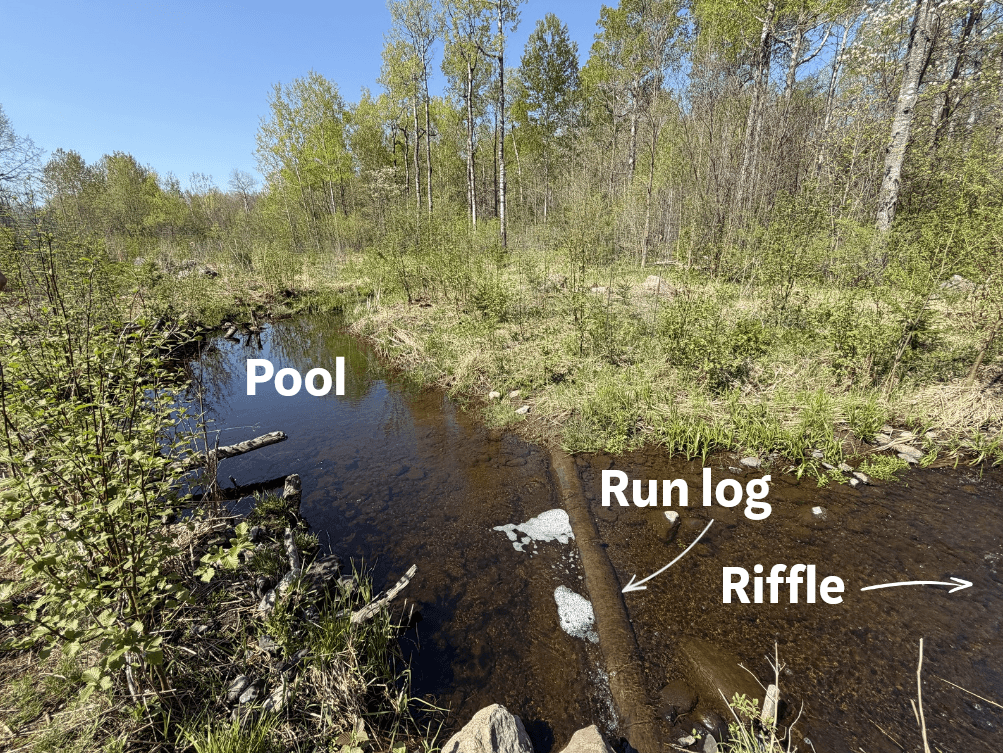
- Riffles for trout spawning and food production
- Deep pools with overhead cover habitat, including pool logs, boulders and root wads
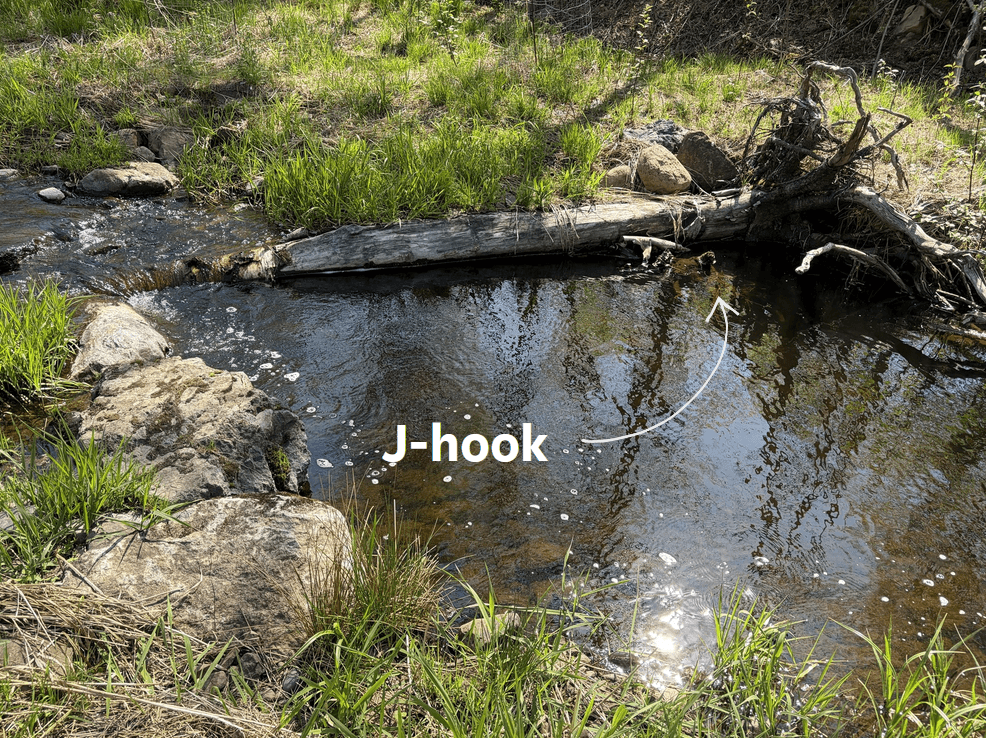
- “J-hooks” provide overhead cover for trout and erosion control by deflecting water away from banks. They also help keep the area scoured for deep trout habitat
- “Run logs” create overhanging cover and more places for trout to seek refuge. Aquatic insects (trout food!) use submerged woody debris as habitat and shelter
- Native grasses, sedges, flowers, shrubs and trees for pollinator and non-game wildlife habitat – including birds, deer and terrestrial insects
Educational opportunity
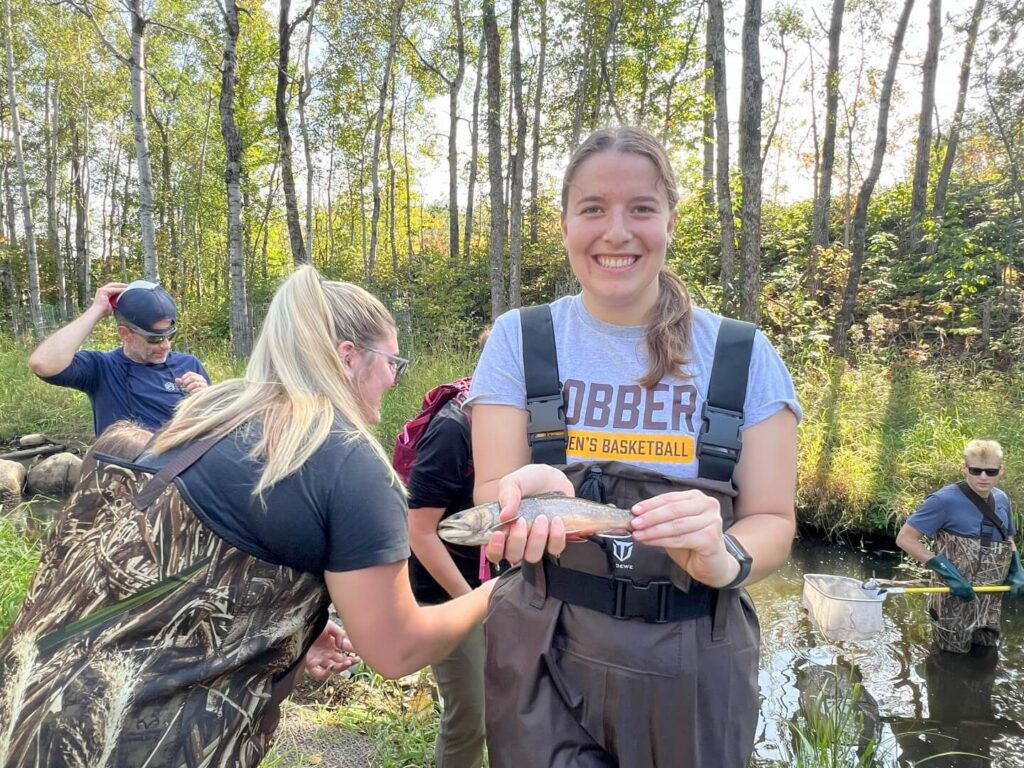
Students from Concordia College in Moorhead visited Keene Creek during the culvert installation to learn about the importance of improving fish passage for native heritage brook trout along Minnesota’s North Shore.

Angler access
Anglers can access Keene Creek from Okerstrom Road in Keene Creek Park. There is access for fishing above and below the road crossing within the park boundary.

Funding for this project was provided by the Outdoor Heritage Fund as appropriated by the Minnesota State Legislature and recommended by the Lessard-Sams Outdoor Heritage Council (LSOHC).