

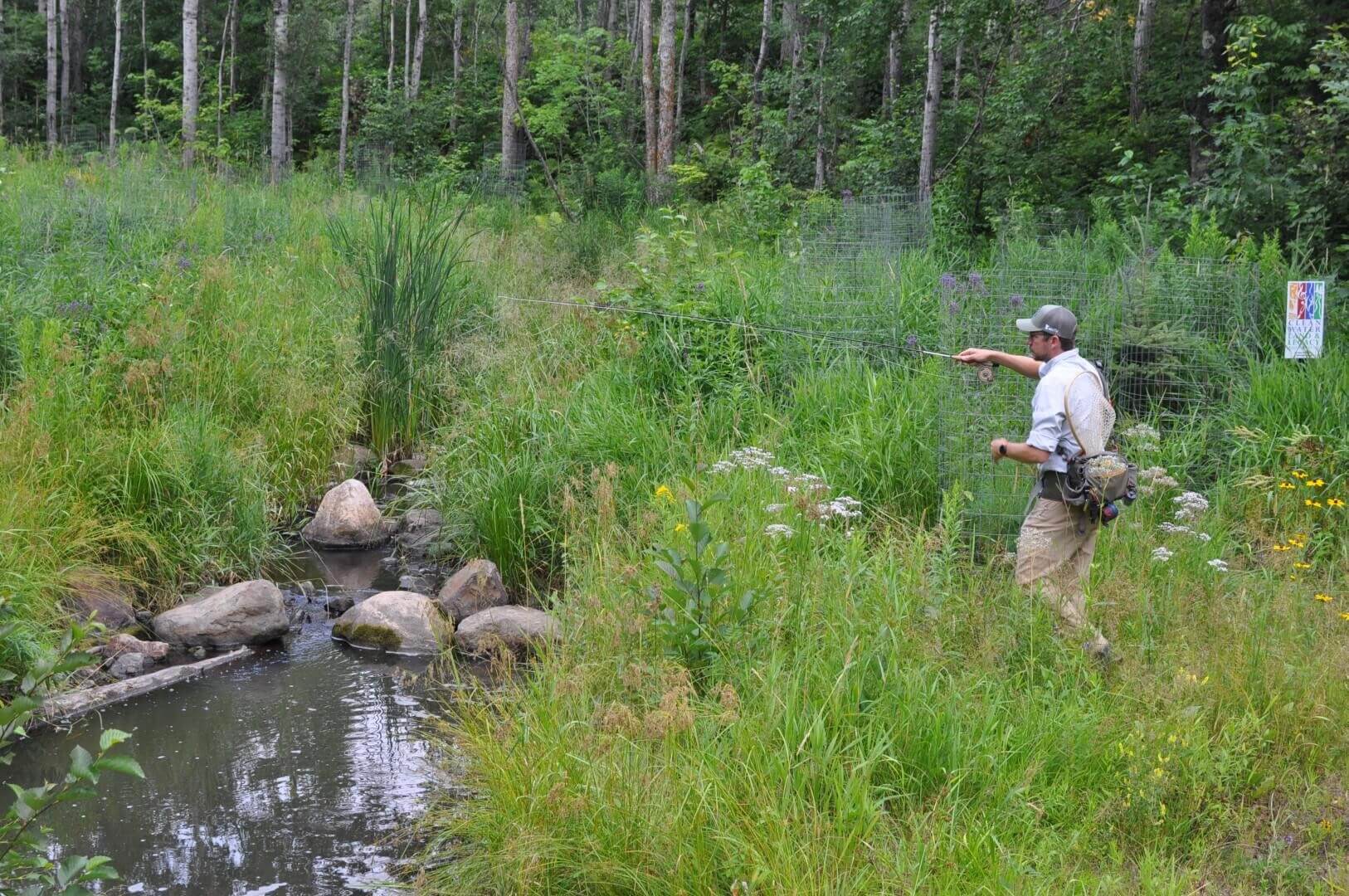
Healthy trout streams need more than just cold, clean water and habitat features. They rely on healthy forests along their banks. These riparian forests provide shade that keep streams cool – especially in northeast Minnesota – recharge groundwater and stabilize streambanks with their extensive root systems.
But an insect called the spruce budworm has devoured balsam fir across northeast Minnesota, killing these old-growth conifers and creating fuel for wildfires.
That’s why in 2025 we launched our riparian forest effort.
This involves clearing dead and dying stands of spruce and balsam trees in concentrated gaps along trout streams. We leave the dead trees on the forest floor to act as regrowth control. This helps the long-live trees we plant to establish without having to compete with other species.
Read More About Gap Planting
Restoring riparian forests for North Shore coldwater fisheries
Minnesota Trout Unlimited is undertaking a critical planting project to restore healthy forests within riparian corridors along the high-quality cold-water rivers of Lake Superior’s North… read more
Trees for trout: An update on our riparian reforestation project
If you’ve fished along a trout stream in northeast Minnesota lately, you’ve probably noticed the standing dead spruce and balsam fir, open gaps in the… read more
Field season kicks off with riparian forest project on the Sucker River
Minnesota Trout Unlimited is dedicated to preserving and improving the health of trout streams across the state. During these cold weeks of early spring, we’ve… read more
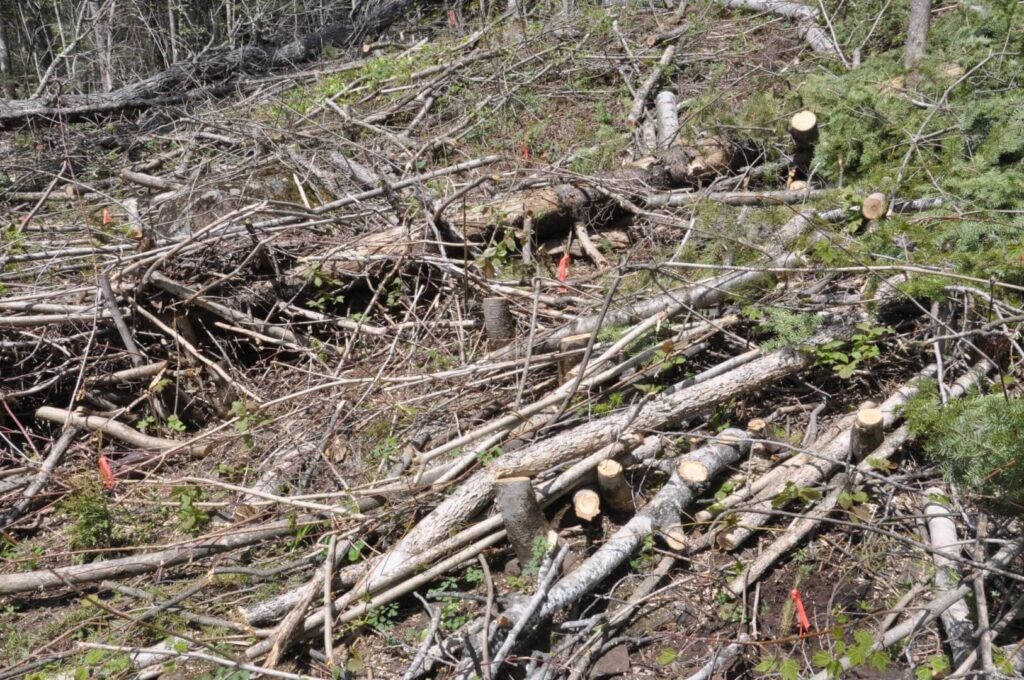
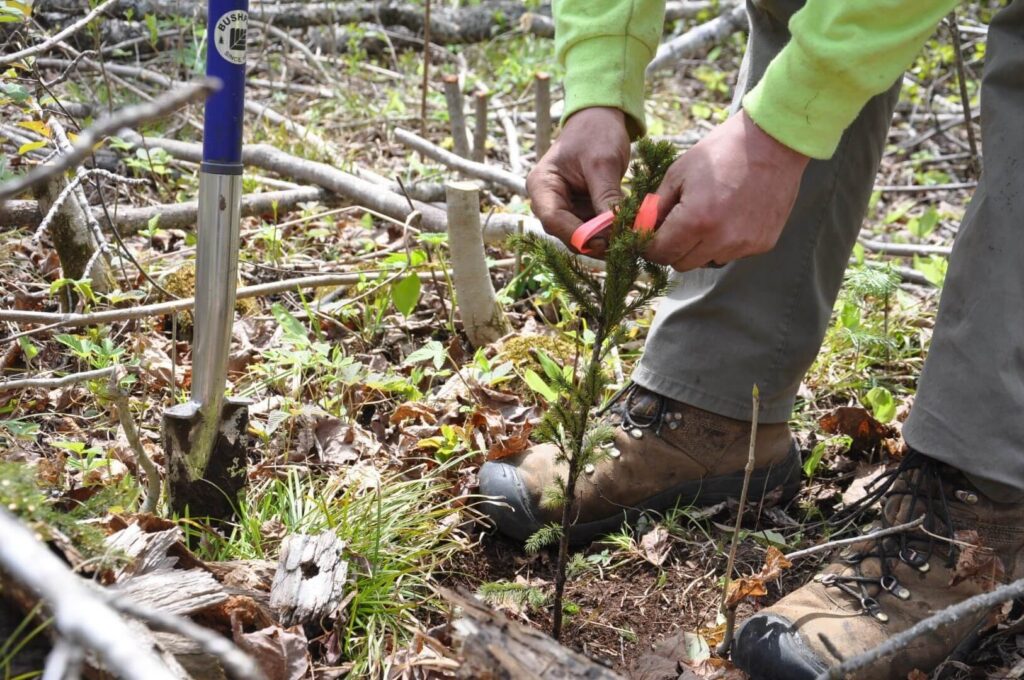
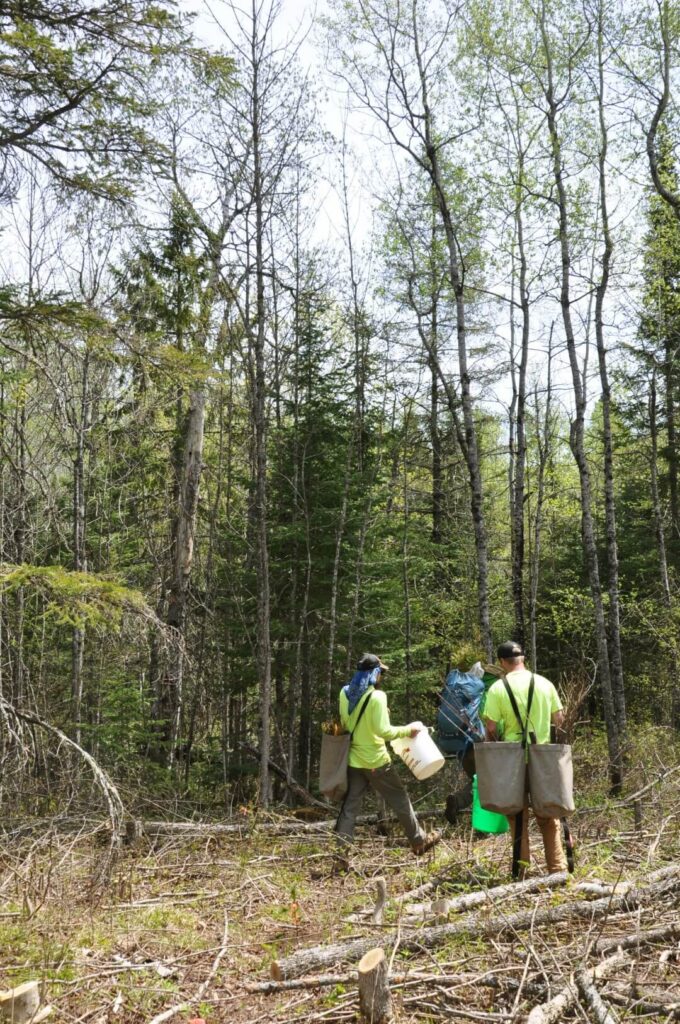
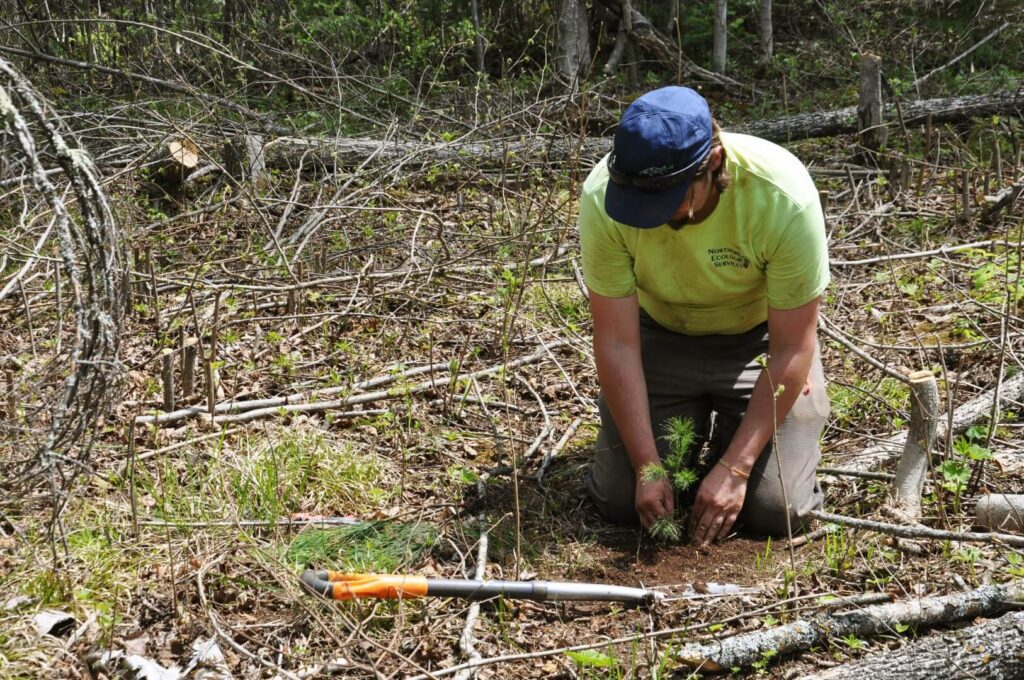
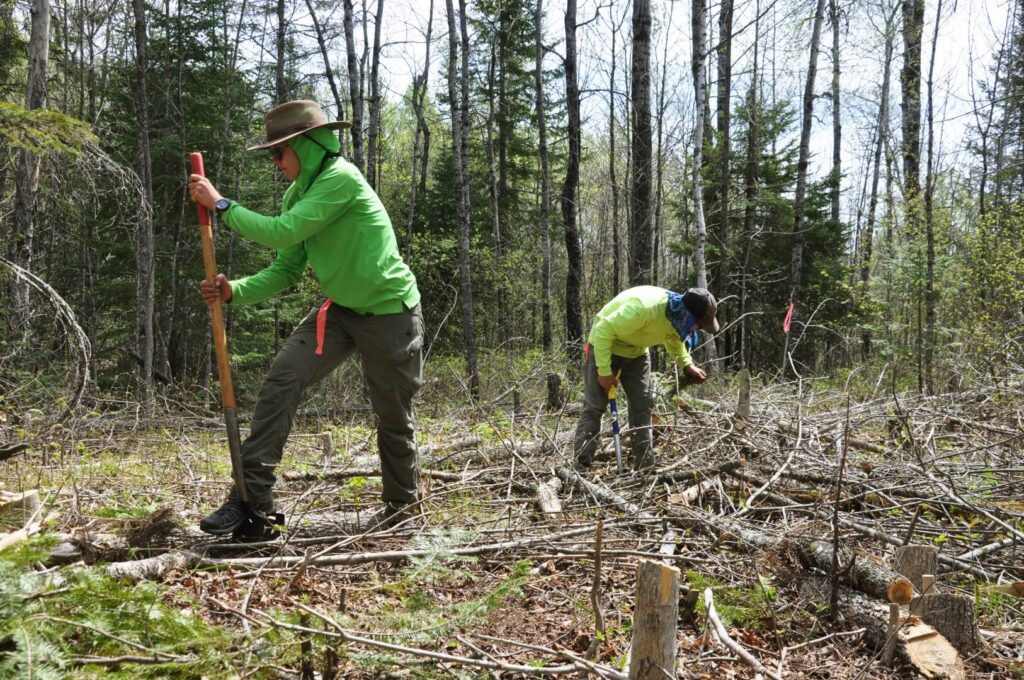
We plant the gaps with roughly 75% conifer species: white pine, white spruce, white cedar. And 25% deciduous species: maples, yellow birch and oak.
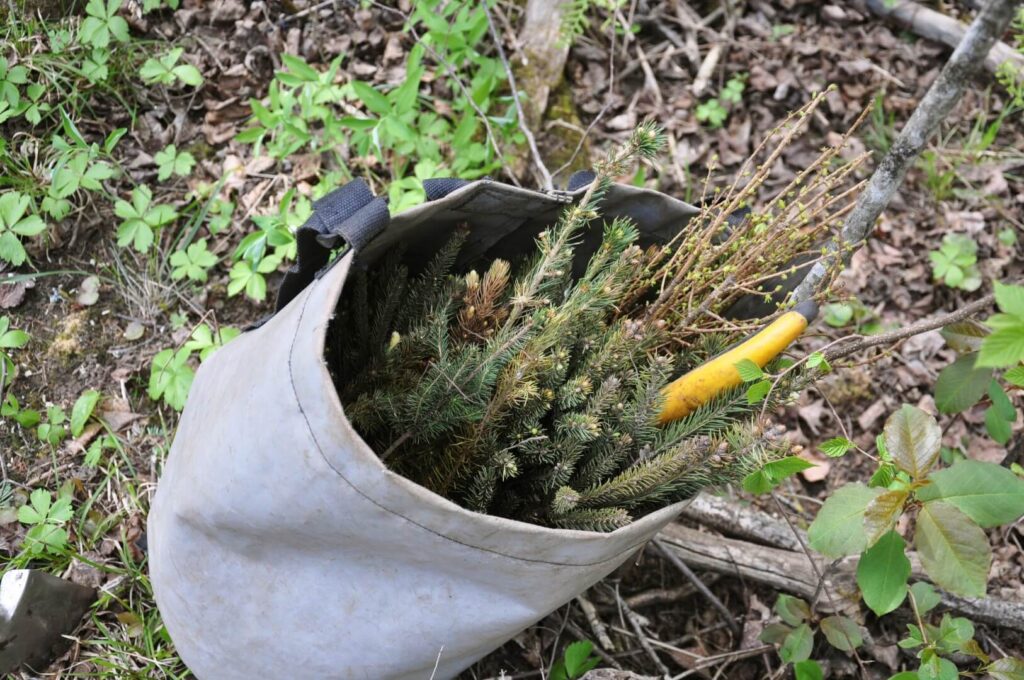
While Minnesota Trout Unlimited’s dedicated riparian forestry program is relatively new, our experience with tree planting and long-term vegetation management along trout streams is as old as our stream restoration work, thanks to the help our dedicated volunteers around the state.
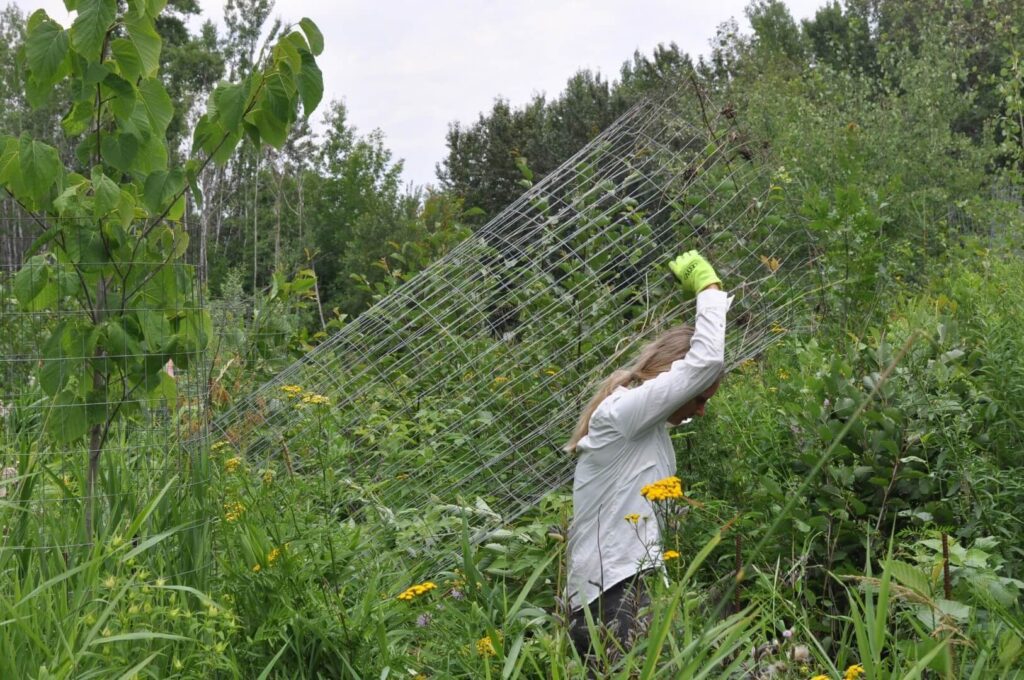
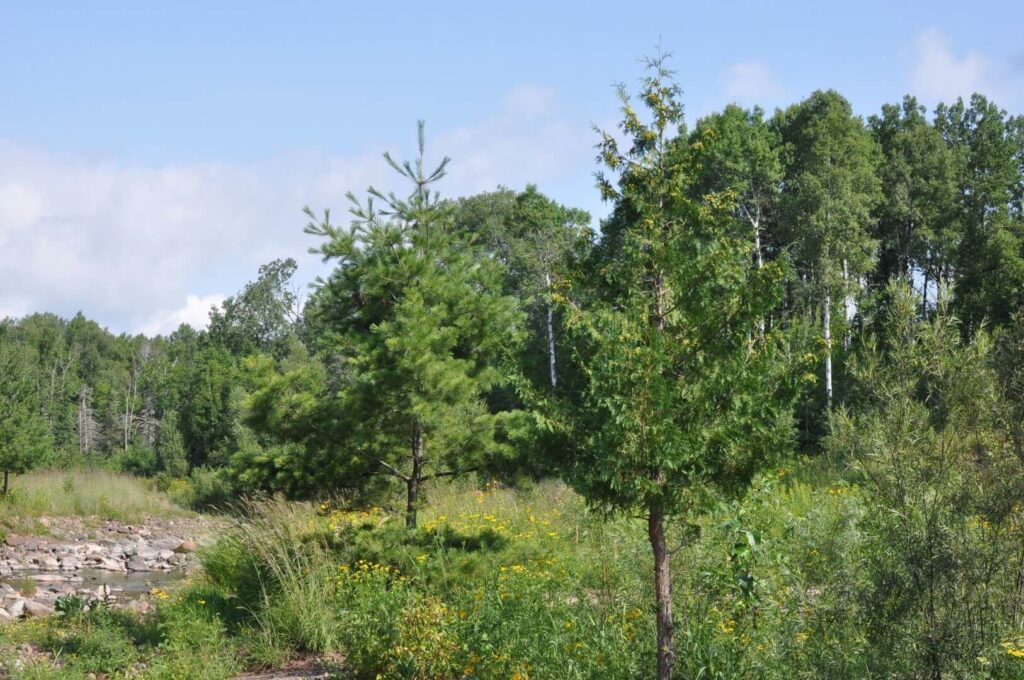
In 2025, Minnesota Trout Unlimited made 240 30-by-70-foot gaps along the Sucker, French and Lester rivers in St. Louis County. We then planted 4,000 trees in place of the dead or dying trees, restoring riparian forest along nearly 33,000 feet of trout streams. Most of that work was completed on the Sucker River.
For our second year of riparian forest work, we focused on the Split Rock River watershed.