
Trout in the Classroom at Shakopee High School
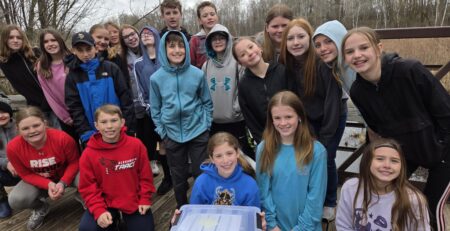
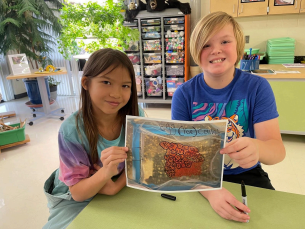
Shakopee High School has participated in the Trout in the Classroom (TIC) program for six years. Together, we contribute to trout conservation by raising rainbow trout from eggs to fingerlings. Through this program, we learn how to care for the fish and how our local efforts impact the broader population.
This year, we received 260 eggs through Minnesota Trout Unlimited. The eggs are sourced from Riverence LLC in Washington, and so far, the survival rate has been excellent, with only two losses. Students in grades 9–12 can help raise these fish through the Students Understanding Nature (SUN) Club or by reaching out to Mr. Teut, our TIC lead teacher.
From Eggs to the River
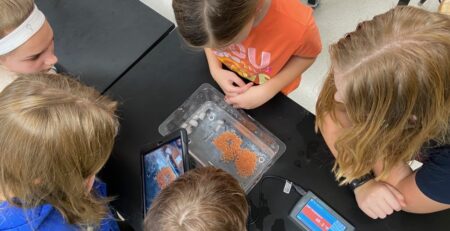
During the school year, students have the unique opportunity to watch the trout progress from eggs to alevin and finally to fry. This progression highlights how vulnerable trout are in their earliest stages of life and how dependent they are on their environment.
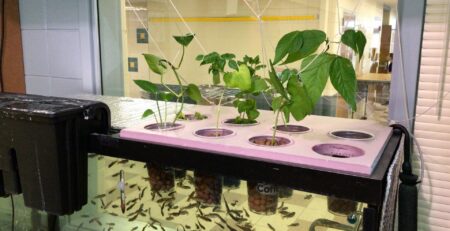
A significant amount of work goes into raising these fish. Even before the eggs arrive, we must set up and monitor the tank’s temperature to ensure a stable environment. Ideally, rainbow trout thrive between 48°F and 54°F. To maintain this, we use a specialized chiller to keep the water cold.
Maintaining a Healthy Ecosystem
To keep the trout healthy, we use bio-balls and pumice to increase surface area for beneficial bacteria. This bacteria helps convert harmful nitrite into nitrate.
Why it matters: Nitrite is dangerous because it converts the hemoglobin in a trout’s blood into methemoglobin – a form that cannot transport oxygen – effectively causing internal suffocation.
In addition to biological filtration, we monitor and log pH levels to ensure stability. We even have a fan installed to create artificial river currents, which simulates a natural environment and helps the trout grow strong enough for the wild.
The Bigger Picture: Conservation
For students, TIC emphasizes the importance of healthy stream habitats. Rising water temperatures, pollution, sediment buildup, and habitat damage have made survival increasingly difficult for wild trout populations.
This year, we are implementing new efforts to educate students on the “bigger picture.” We are currently developing a lesson for the SUN Club covering critical issues such as:
- Climate change
- Energy production impacts
- Non-native species
- Water demand
By connecting what they observe in the tank to challenges in the wild, students begin to understand that protecting the habitat is just as important as raising the fish.
The Spring Release
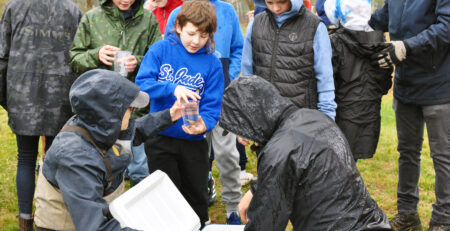
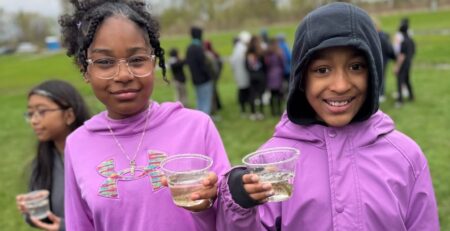
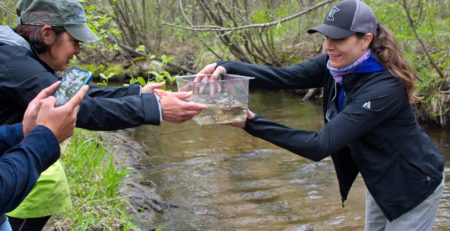
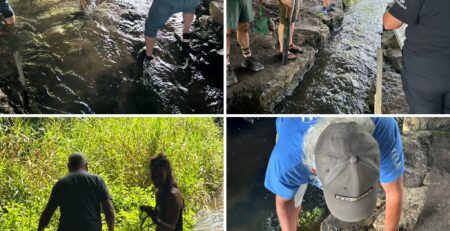
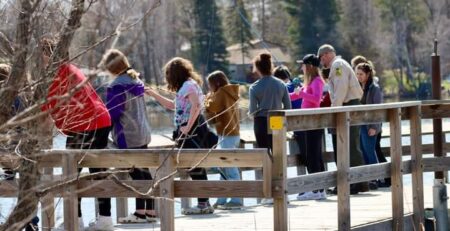
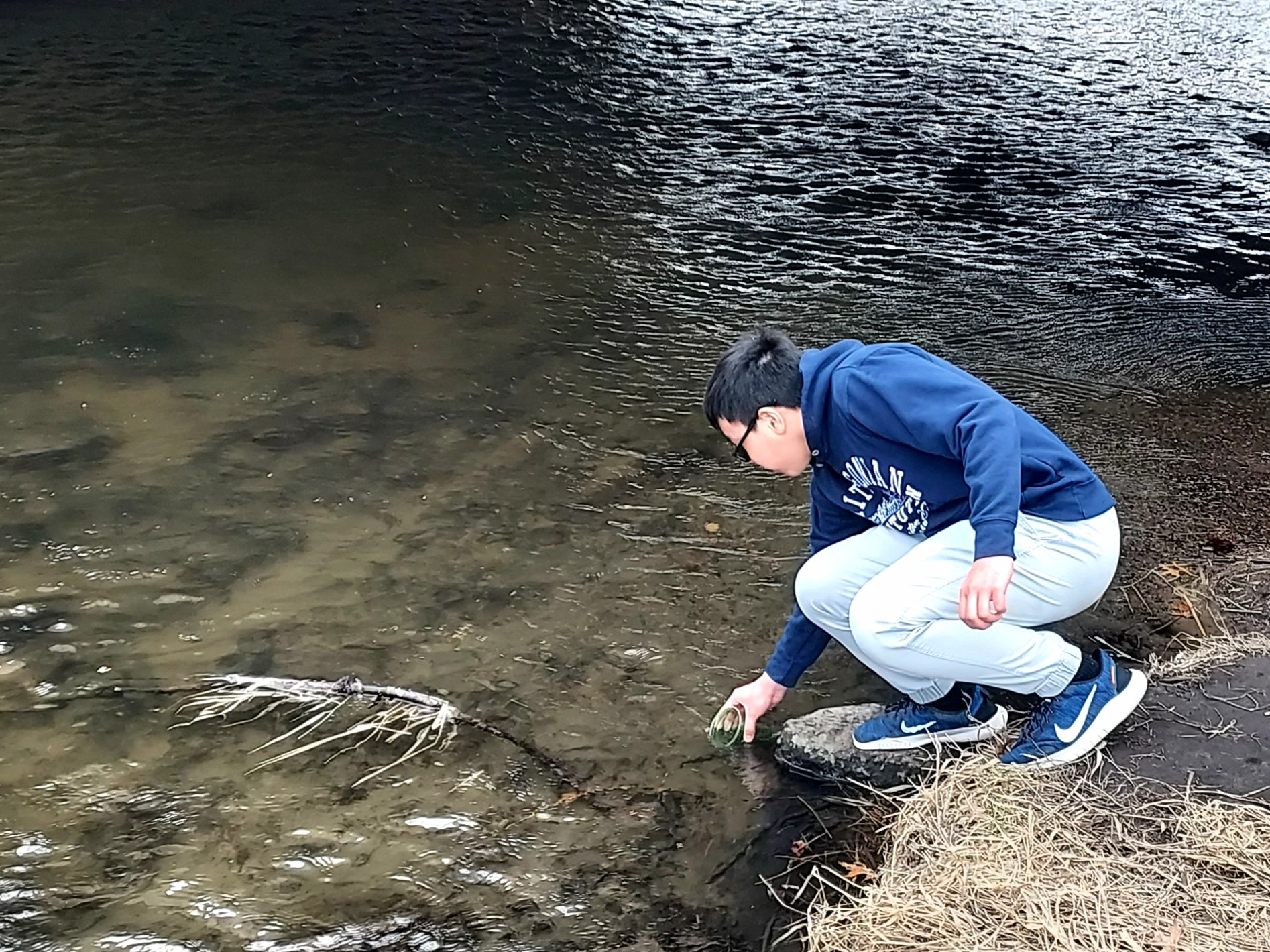
In May, interested students can help release the fry into the Vermillion River in Farmington. While the SUN Club leads the effort, we encourage all students to volunteer.
The release is the final step in months of careful monitoring, feeding, and water testing. It offers students a firsthand look at the environment required for trout to survive and a chance to reflect on the importance of clean water. This experience bridges the gap between classroom learning and real-world conservation.
Programs like Trout in the Classroom remind us that conservation starts with education. By connecting students with the lifecycle of these beautiful fish, we are fostering the next generation of environmental stewards.