
Construction for Eagle Creek restoration begins in May
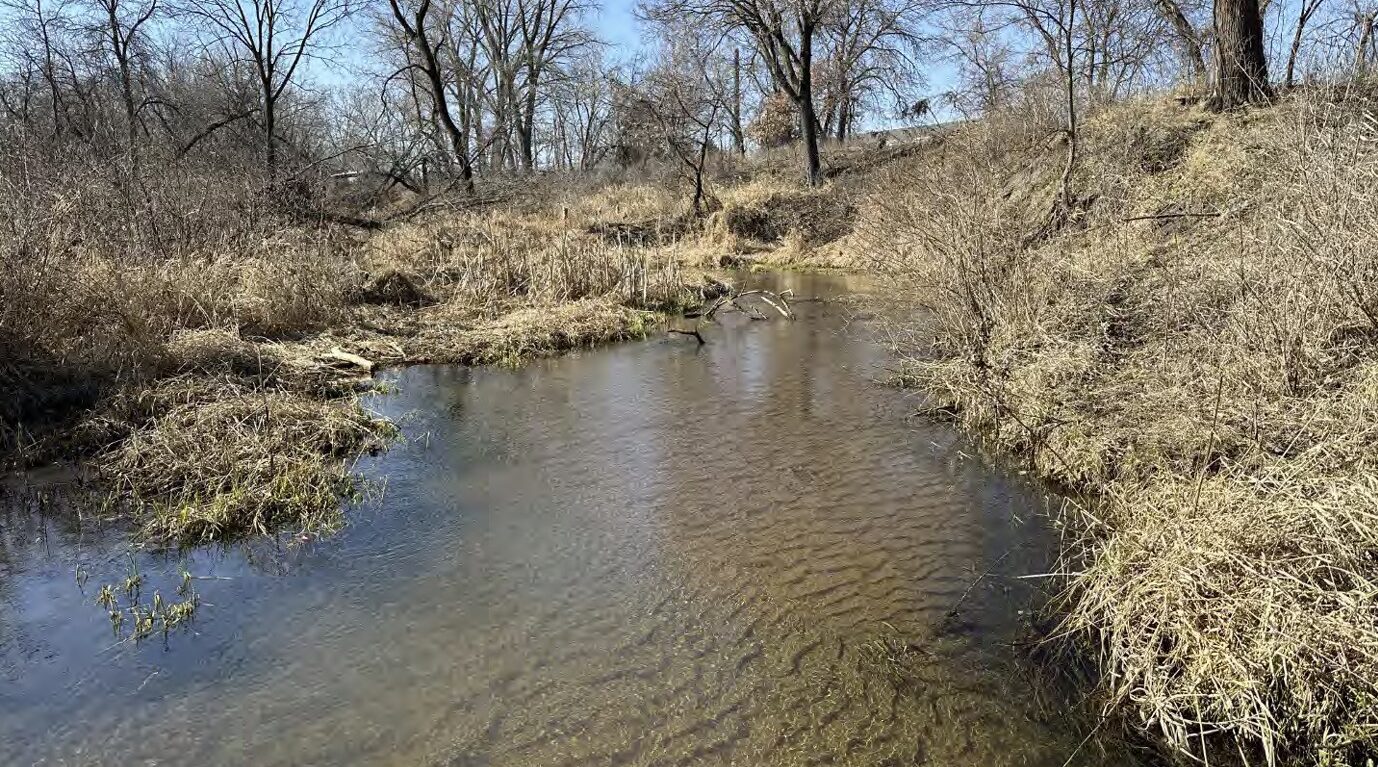
This month, Minnesota Trout Unlimited will begin a major habitat improvement project on Eagle Creek, one of the most unique and historically significant trout streams in the Twin Cities metro area.
Construction is anticipated to begin in mid-May and continue for several weeks, depending on weather conditions. Following construction, the project will enter a three-year maintenance and monitoring period extending through 2029 to ensure the establishment of native vegetation and long-term project stability.
For safety, anglers are strongly encouraged to avoid the active construction area.
A stream with a unique conservation legacy
Eagle Creek is much more than a metro trout stream. In the early 1990s, the stream became the focus of a major conservation effort led by the Minnesota Department of Natural Resources (DNR), the Twin Cities Trout Unlimited (TCTU) chapter and local advocates seeking to protect one of the last remaining naturally reproducing trout streams in the Minnesota River Valley.
Those efforts ultimately resulted in the establishment of Minnesota’s first Aquatic Management Area (AMA) along Eagle Creek in 1995, a milestone that helped shape future trout stream conservation efforts across the state. The Eagle Creek AMA created a protected corridor along the stream to safeguard coldwater habitat, preserve public access and buffer the creek from surrounding urban development pressures.
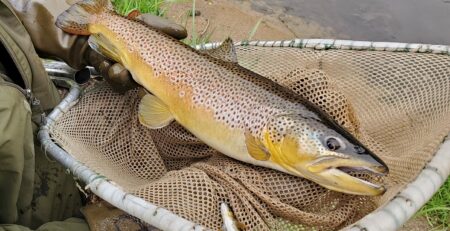
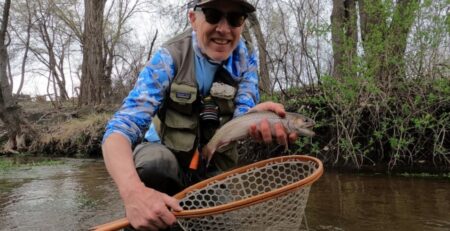
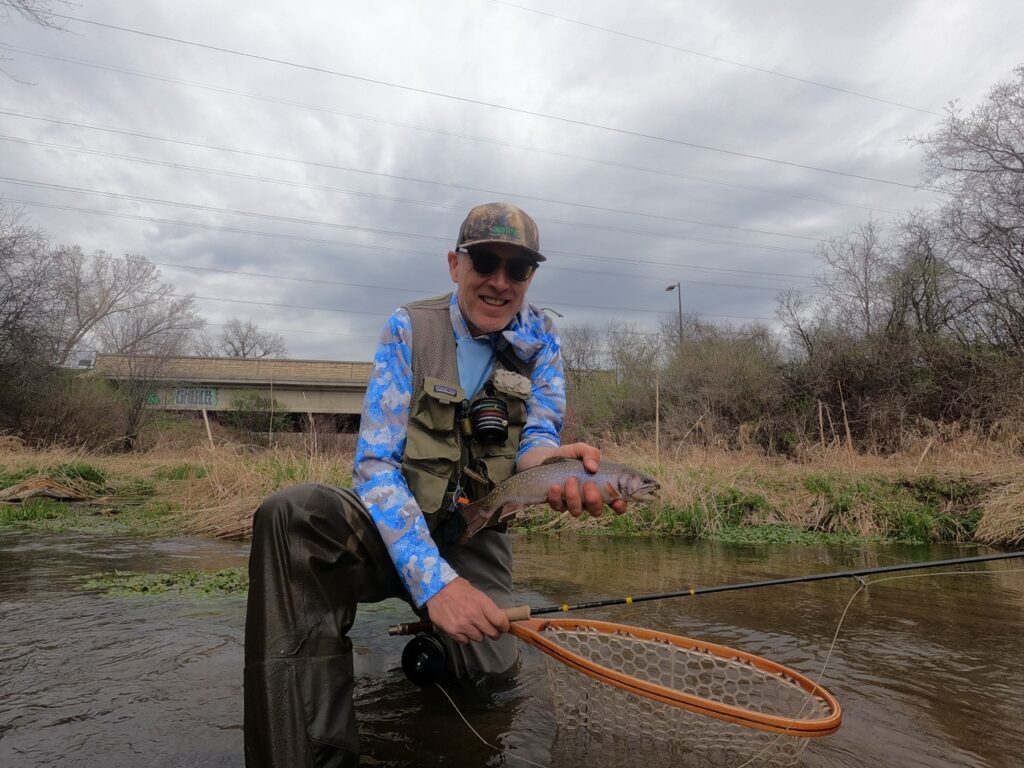
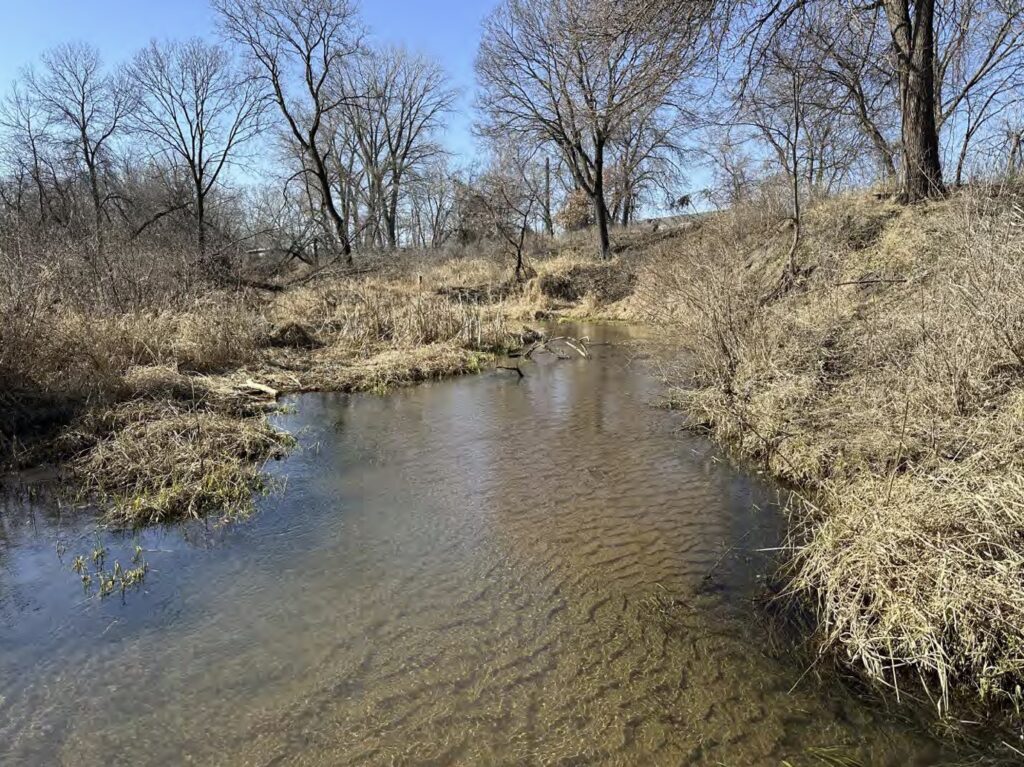
Today, Eagle Creek remains an incredible spring-fed trout stream supporting a self-sustaining brown trout population, as well as brook trout stocked annually by the DNR. More than half of the stream is considered suitable trout habitat based on temperatures.
Why habitat work is needed
Despite decades of protection and stewardship, Eagle Creek continues to face significant habitat challenges.
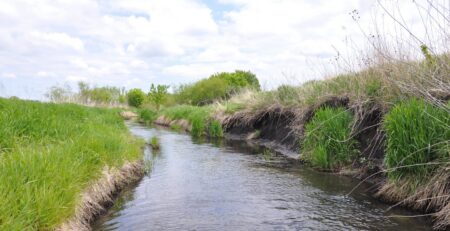
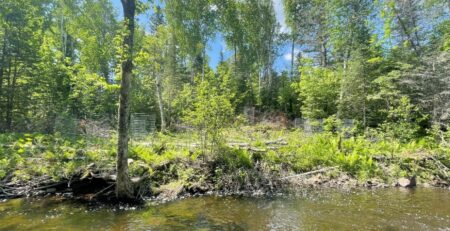
Years of sediment accumulation have clogged spawning gravels and reduced habitat diversity within the stream channel. Portions of the creek have become overly wide and unstable due to bank erosion. Invasive vegetation throughout the riparian corridor has further reduced habitat quality for wildlife and ecological diversity.
These conditions impact trout directly by reducing spawning habitat, limiting cover and degrading aquatic insect communities that provide critical food resources for fish.
Project goals
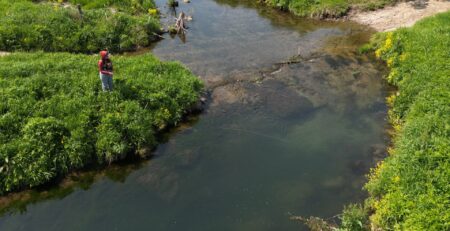
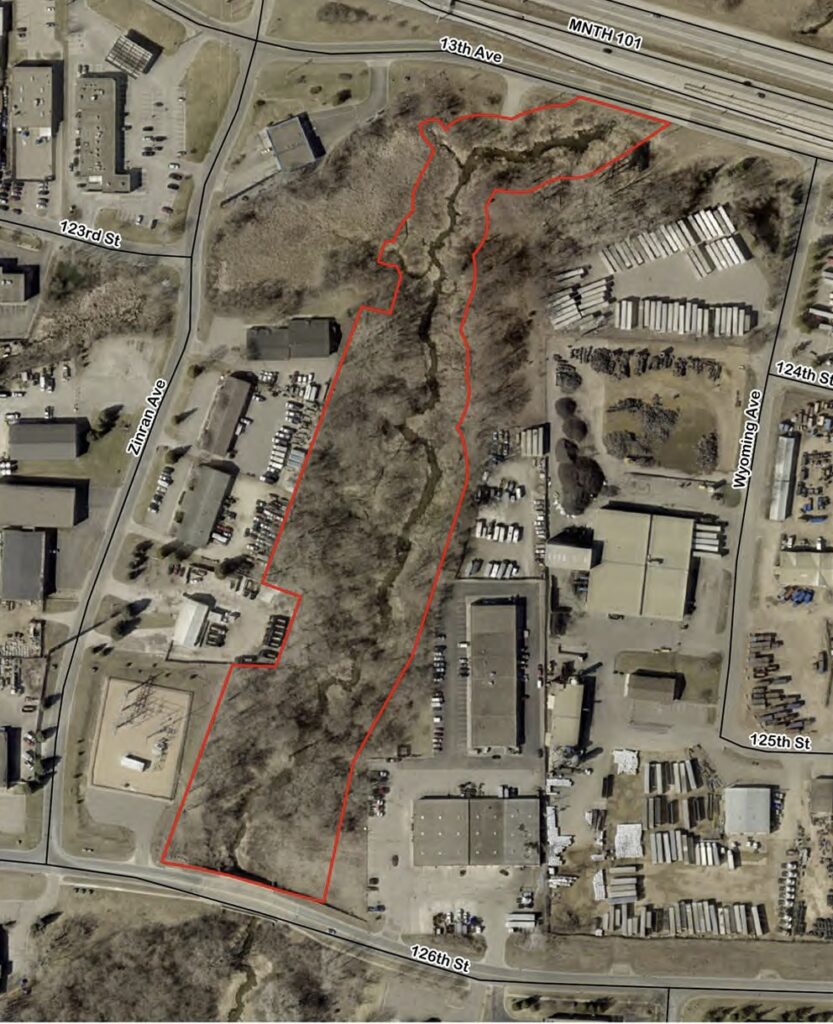
The MNTU Eagle Creek habitat improvement project will restore approximately 2,000 feet of stream habitat between Minnesota Highway 13 and 126th Street in Savage.
Key project objectives include:
- Improving channel sinuosity and dimensions to better transport sediment
- Restoring riffle habitat for trout spawning and aquatic insect production
- Enhancing pool habitat for larger trout
- Reconnecting the creek to its floodplain
- Increasing instream cover using toewood, logs and natural rock
- Removing invasive vegetation and establishing diverse native riparian plant communities
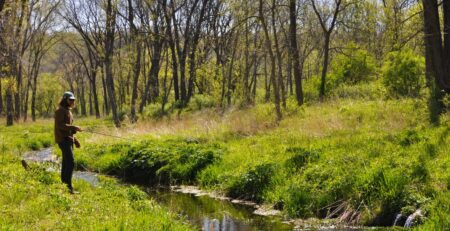
The project is designed to improve long-term stream stability while increasing habitat quality for trout and coldwater aquatic organisms. The project will restore fishable trout water (perhaps with naturally reproducing brook trout!) for the next generation of anglers, hopefully inspiring the future stewards of our coldwater resources, like it did for our Executive Director John Lenczewski, who grew up near Eagle Creek and fished it as a kid.
Long-term stewardship
Construction is only the beginning. After that, the project will undergo inspections and maintenance from our contracted design team several times each year through 2029. Maintenance activities will include vegetation establishment, invasive species management, erosion repair and monitoring of instream structure.
This long-term stewardship component is critical to ensuring the project remains resilient and ecologically functional over time. It also complements the decades of hard work that TCTU has undertaken in the watershed, including invasive species removal (especially buckthorn!) and water quality monitoring.
A note about safety
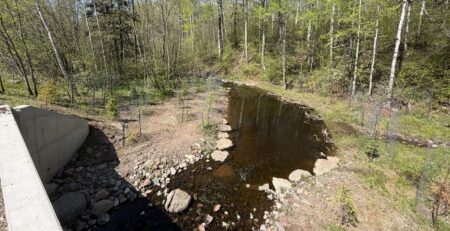
Because heavy equipment, excavation and instream construction activities will take place throughout the project reach, visitors are asked to avoid the construction corridor between mid-May and the end of installation for safety reasons. This allows crews to complete work efficiently, while keeping everyone safe.
We appreciate everyone’s patience during construction and look forward to sharing updates as this important restoration effort moves forward.
Eagle Creek has played an important role in the history of trout conservation in Minnesota for more than 30 years. This project represents the next chapter in that legacy.
This project was funded by the Lessard-Sams Outdoor Heritage Fund.
If you have any questions about the project, please contact MNTU Habitat Director Jennifer Biederman at jennifer.biederman@mntu.org