Minnesota Trout UnlimitedMinnesota Trout Unlimited
  • HOME
  • About
    • Chapters
      • Headwaters Chapter
      • Gitche Gumee Chapter
      • Twin Cities Chapter
      • Hiawatha Chapter
      • Win-Cres Chapter
    • Our Mission
    • Join MNTU
    • Contact Us
    • Help Support MNTU
  • NEWS
    • Blog
    • Events
    • Monthly Cast Newsletter
    • Trout Unlimited Minnesota Newsletter
  • HABITAT
  • EDUCATION
    • Education and Outreach
    • Trout in the Classroom
    • Fishing Skills Programs
    • Great Waters Fly Fishing Expo
    • Foster the Outdoors Program
    • T.U.N.E Camp
  • ADVOCACY
    • Agricultural Runoff
    • Data Centers
    • Feedlots
    • Neonics
    • Nitrates
    • Preventing Fish Kills
    • Public Waters
    • Sulfide Mining
  • FISHING
  • DONATE
  • HOME
  • About
    • Chapters
      • Headwaters Chapter
      • Gitche Gumee Chapter
      • Twin Cities Chapter
      • Hiawatha Chapter
      • Win-Cres Chapter
    • Our Mission
    • Join MNTU
    • Contact Us
    • Help Support MNTU
  • NEWS
    • Blog
    • Events
    • Monthly Cast Newsletter
    • Trout Unlimited Minnesota Newsletter
  • HABITAT
  • EDUCATION
    • Education and Outreach
    • Trout in the Classroom
    • Fishing Skills Programs
    • Great Waters Fly Fishing Expo
    • Foster the Outdoors Program
    • T.U.N.E Camp
  • ADVOCACY
    • Agricultural Runoff
    • Data Centers
    • Feedlots
    • Neonics
    • Nitrates
    • Preventing Fish Kills
    • Public Waters
    • Sulfide Mining
  • FISHING
  • DONATE

Volunteer spotlight: Twin Cities chapter tackles wild parsnip along trout streams

Minnesota Trout Unlimited on July 14, 20262026-07-14T16:40:03+00:00
By Minnesota Trout Unlimited on July 14, 2026

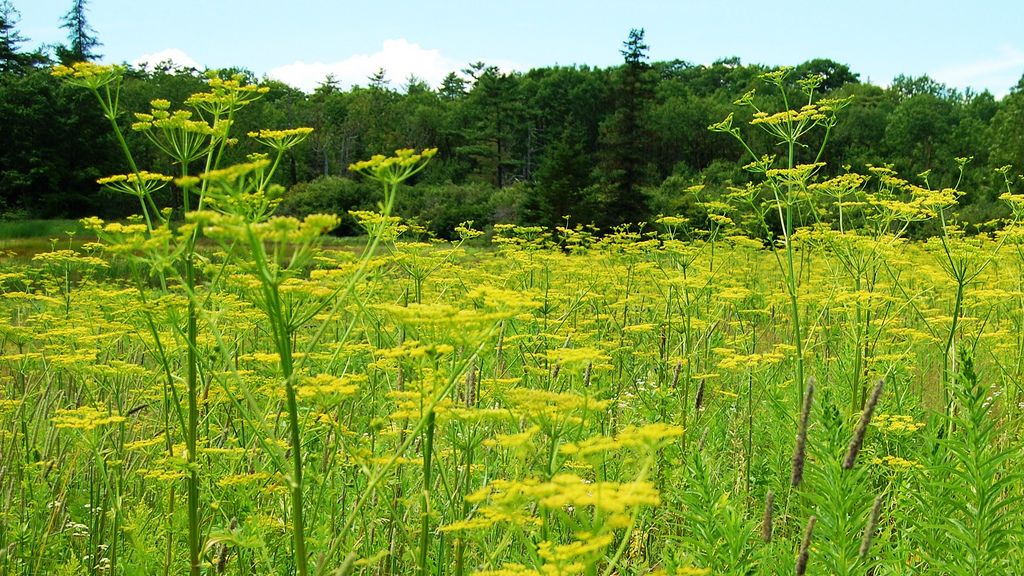
At first glance, it’s easy to mistake wild parsnip for just another prairie wildflower. By mid-June, its broad clusters of bright yellow blooms catch the summer sun and stand shoulder high along roadsides, bike trails and streambanks across much of Minnesota. This flower is one of Minnesota’s most problematic invasive plants, displacing native vegetation and leaving painful burns on anyone unlucky enough to brush against it.

This summer, a dedicated group of outdoor enthusiasts has taken on the challenge of trying to help control wild parsnip. For volunteers with Minnesota Trout Unlimited’s Twin Cities Chapter (TCTU), the work has become an important part of caring for the streams they love.
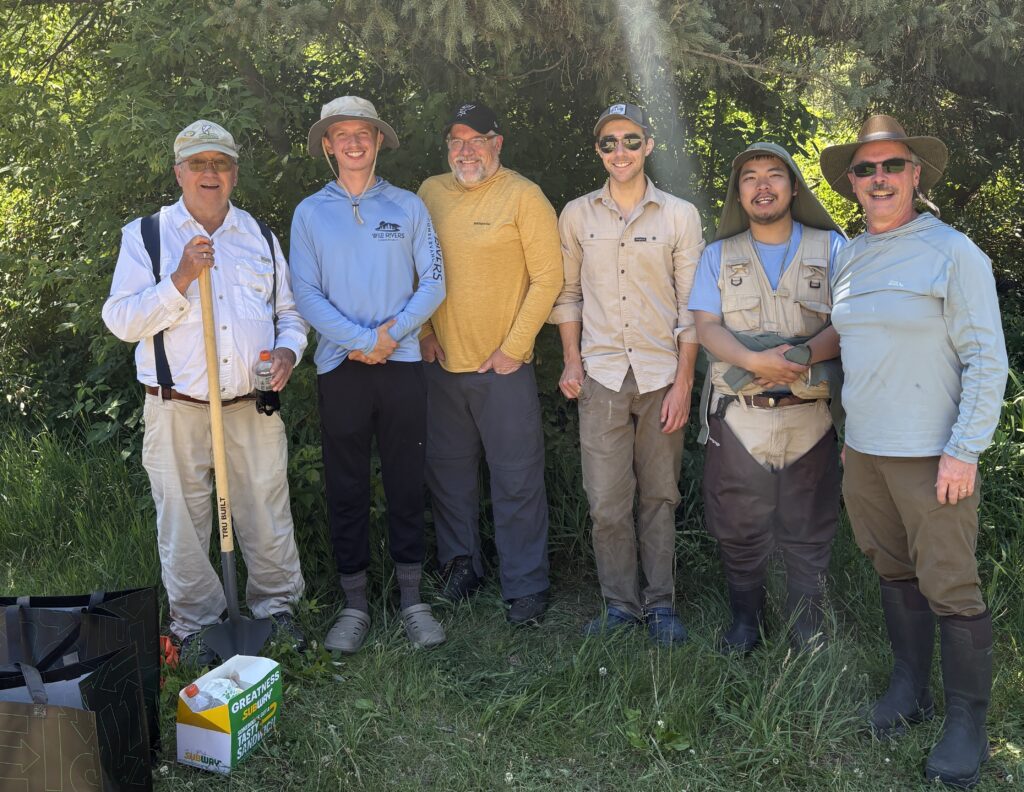
Twin Cities Trout Unlimited volunteers in June at Miesville Ravine Park Reserve in Cannon Falls.

A plant that shouldn’t be here

Like most invasives, wild parsnip (Pastinaca sativa) didn’t arrive in Minnesota by accident. Native to Europe and Asia, it was intentionally brought to North America hundreds of years ago as both a garden vegetable and livestock forage. Like many introduced plants, it eventually escaped cultivation. Over time, it spread into roadsides, prairies, old fields and stream corridors, where it now flourishes across much of the Upper Midwest.

The plant is particularly successful in disturbed areas, making riparian corridors especially vulnerable. Floods, trail construction, utility work and even successful habitat restoration projects can create openings where invasive species quickly establish without a plan to control them.

Once established, wild parsnip forms dense stands that crowd out native grasses and wildflowers. That loss of plant diversity affects pollinators, wildlife and the overall health of streamside ecosystems that trout depend upon.

Then there’s also the danger to people – especially anglers! The plant’s sap contains naturally occurring compounds called furanocoumarins. When the sap contacts skin and is exposed to sunlight, it can trigger a chemical reaction known as phytophotodermatitis, resulting in severe burns, blistering and skin discoloration that may linger for weeks or even months. If your skin comes into contact while fishing or otherwise, rinse well with water right away (use soap when you can) and get out of the sunlight. Avoid sunlight on the affected skin for 24 hours.

Stewardship doesn’t end when construction does

Stream restoration often involves excavators rebuilding channels, placing logs and boulders and reconnecting floodplains. Those projects are certainly important, but they’re only one chapter in the story. MNTU projects typically include three years of vegetation management as we seek to establish native plants, including grasses, flowers, shrubs and trees. During this time, our contractors stay on top of treating invasives within the restoration area. But after this period, there may still be efforts needed to keep invasives out of the newly restored area, or to control them nearby to avoid them from spreading back in. This is where volunteers step in.

For several years, members of TCTU have dedicated many hours to controlling wild parsnip along metro-area trout streams. Working carefully and safely, they remove or treat infestations before the plants produce seed, helping native vegetation reclaim valuable streambanks. TCTU’s habitat coordinator, Douglas Moran said, “Once you know what it looks like, you see the plants everywhere and realize how big a problem it is.”

Their stewardship has become an essential part of protecting these waters.

So far, volunteers along with partner organizations have:

  • Organized four workdays for this summer with at least as many planned for each of the next five years
  • Contributed more than 100 volunteer hours over the past several years
  • Worked along approximately 30 stream miles
  • Removed or treated thousands of wild parsnip plants
  • Focused efforts on the South Branch of the Vermillion and Hay Creek

Each season’s work makes the next one a little easier, but it will take multiple years at each site have a significant impact.

Interested in volunteering?

TCTU is always looking for more volunteers! To learn more about upcoming events, visit twincitiestu.org/events
Share this post

Facebook Twitter Email

Related Posts

Restoring a healthier stream: Your questions answered about the South Creek project

Minnesota Trout Unlimited is working to restore a 3,700-foot section of South Creek in Farmington. read more

Should anglers rethink catch and release in southeast Minnesota?

For many Trout Unlimited members, catch and release is less about management regulations and more about an ethos, or a... read more

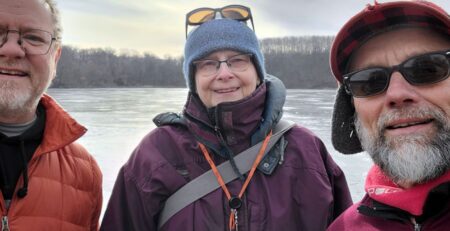
Picture is of Sally at a TIC ice fishing program with Jim Emery, our environmental educator, and Lee Stoe, another awesome TCTU volunteer. 

Volunteer spotlight: Sally Noll

Sally Noll has volunteered with Minnesota Trout Unlimited's education program since 2022. read more

Your questions answered about the South Branch Root River habitat restoration project

Minnesota Trout Unlimited is partnering to improve habitat, public access and long-term river health along a 3,000-foot section the... read more

Construction for Eagle Creek restoration begins in May 

Minnesota Trout Unlimited will begin a major habitat improvement project on Eagle Creek, one of the most unique and historically... read more

South Creek project kicks off 

Minnesota Trout Unlimited and partners kicked off the design of a major habitat improvement project on South Creek. read more

Restoring riparian forests for North Shore coldwater fisheries

Minnesota Trout Unlimited is undertaking a critical planting project to restore healthy forests within riparian corridors along the high-quality cold-water... read more

Bob Luck Eagle Creek Brook Trout

Planning underway for Eagle Creak habitat improvement

This spring, Minnesota Trout Unlimited will begin construction on a 2,000-foot trout stream habitat improvement project on Eagle Creek in... read more

The importance of pools as trout habitat in stream restoration

On a rainy afternoon a few months ago, I stopped at a newly constructed project on my way home to... read more

Moving the needle on fish passage in northeastern Minnesota

Fish passage is not always just about fish passage. A culvert replacement might start as a solution to a barrier... read more

Categories

Recent Posts

  • Volunteer spotlight: Twin Cities chapter tackles wild parsnip along trout streams
  • The most impactful way to leave a legacy is the simplest
  • Restoring a healthier stream: Your questions answered about the South Creek project
  • Should anglers rethink catch and release in southeast Minnesota?
  • Lessons learned from Duluth’s Tischer Creek fish kill

Chapters

  • Headwaters Chapter
  • Gitche Gumee Chapter
  • Twin Cities Chapter
  • Hiawatha Chapter
  • Win-Cres Chapter
Subscribe
   
Join MNTU
   
Make A Donation
Protect – Restore – Sustain

Find Your Chapter

  • Headwaters Chapter
  • Gitche Gumee Chapter
  • Twin Cities Chapter
  • Hiawatha Chapter
  • Win-Cres Chapter

Learn More

  • Recent News
  • Upcoming Events
  • Habitat Projects
  • Fishing Information
  • Contact Us

Get Involved

  • Join MNTU
  • Make a Donation
  • Monthly Cast Newsletter
  • Follow on Facebook
  • Follow on Instagram
© Copyright 2026 Minnesota Trout Unlimited. All Rights Reserved.
Minnesota Trout Unlimited is a 501(c)(3) organization.