
Restoring a healthier stream: Your questions answered about the South Creek project
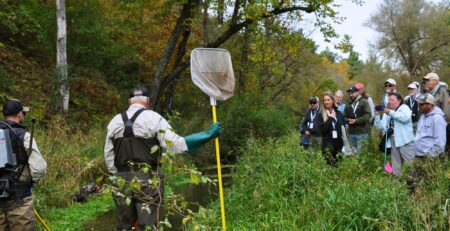
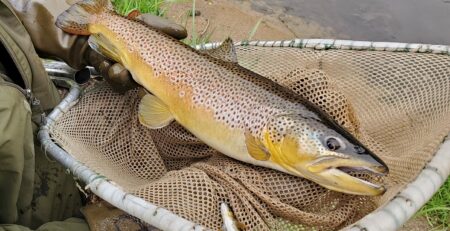
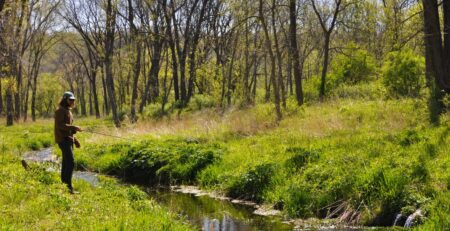
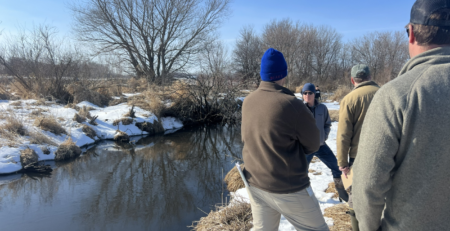
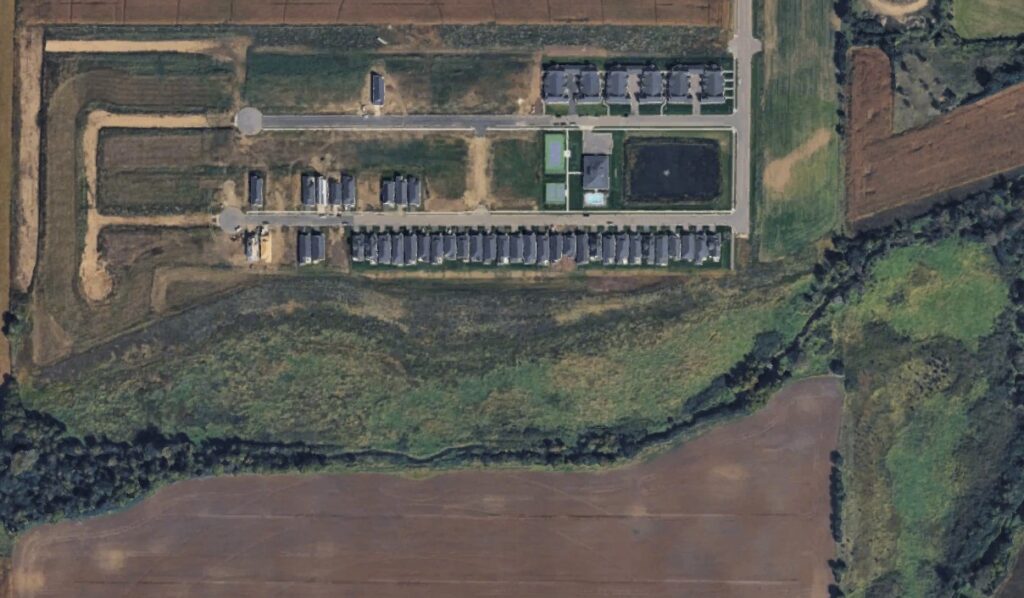
Minnesota Trout Unlimited (MNTU) – in partnership with Dakota County, the Vermillion River Watershed Joint Powers Organization and the Minnesota Department of Natural Resources – is working to restore a 3,700-foot section of South Creek in Farmington. South Creek is an important tributary of the Vermillion River and one of the coldest in the watershed. The creek provides critical coldwater inputs that help maintain cold water temperatures in the Vermillion River to support a naturally reproducing brown trout population. Protecting and restoring South Creek benefits not only the creek, but also the long-term health of the Vermillion River downstream.
Why is this project needed?
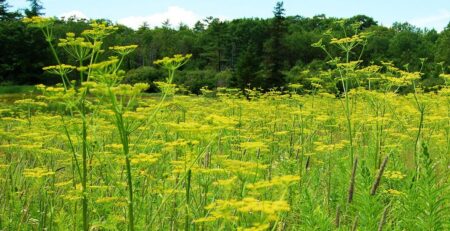
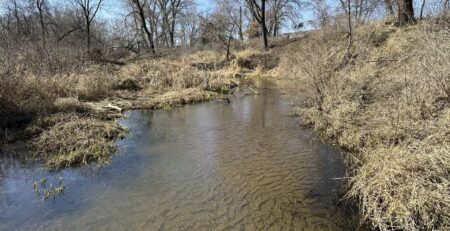
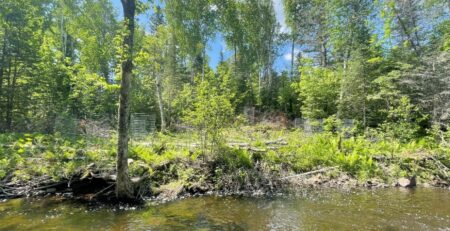
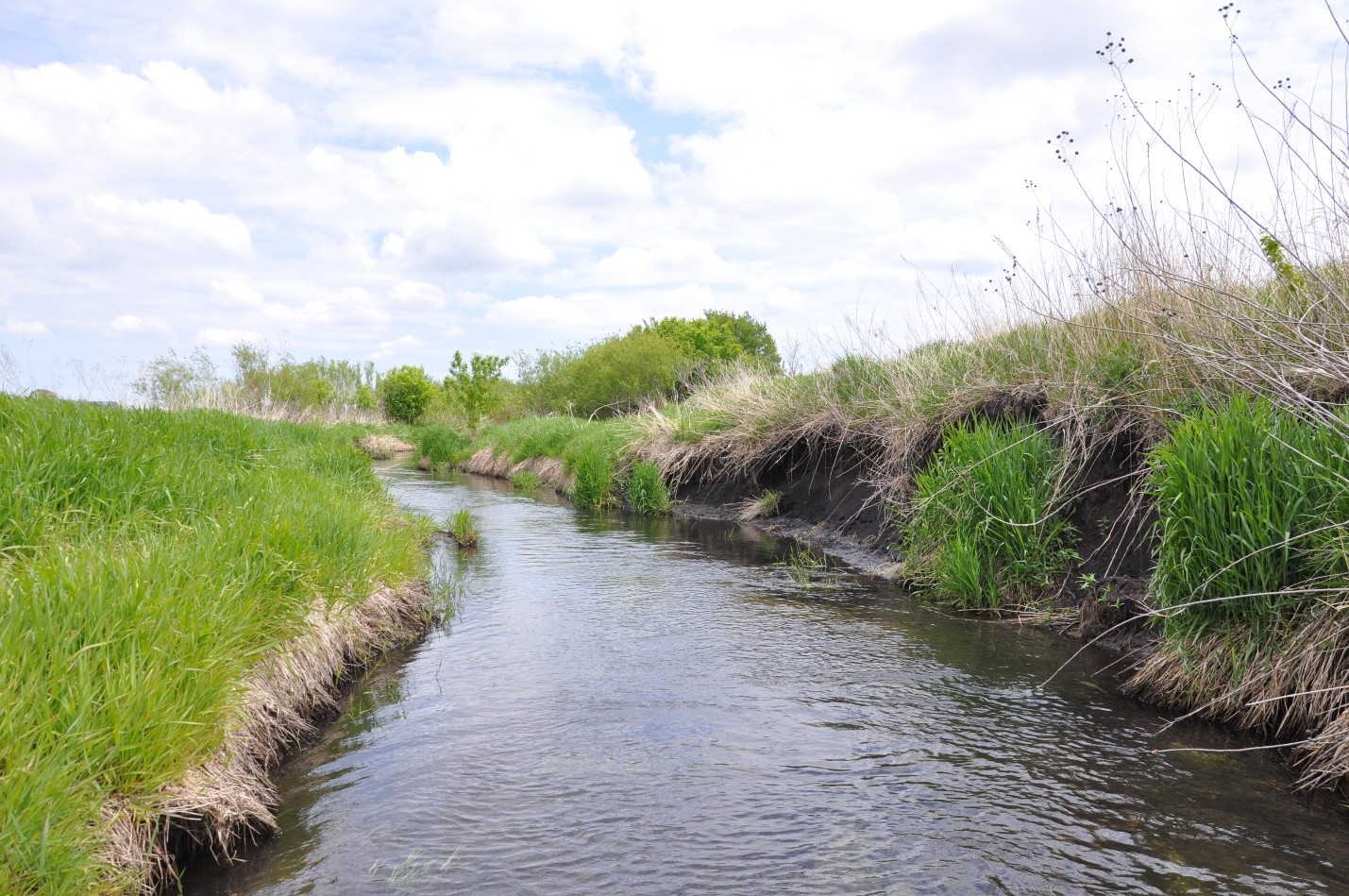
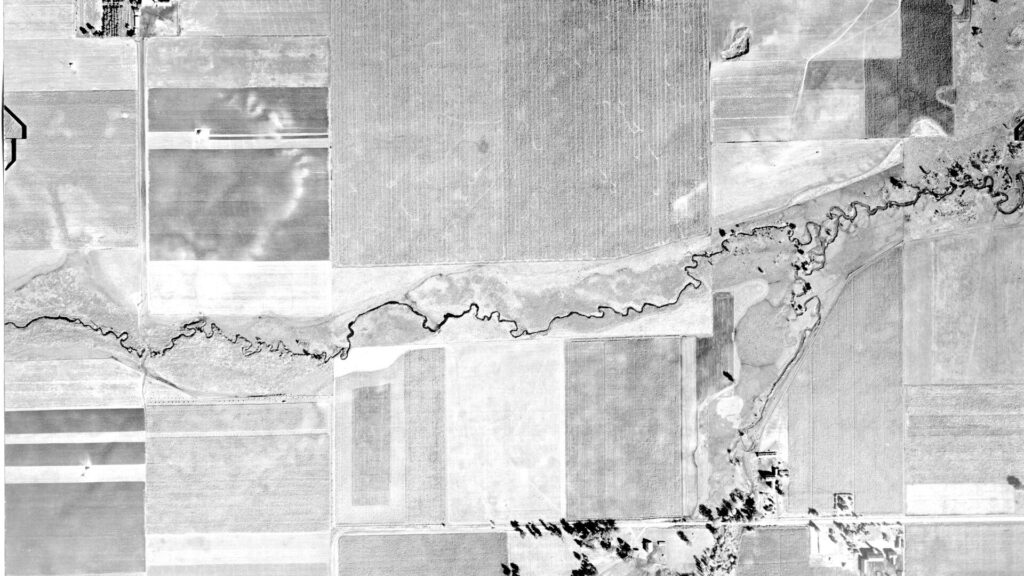
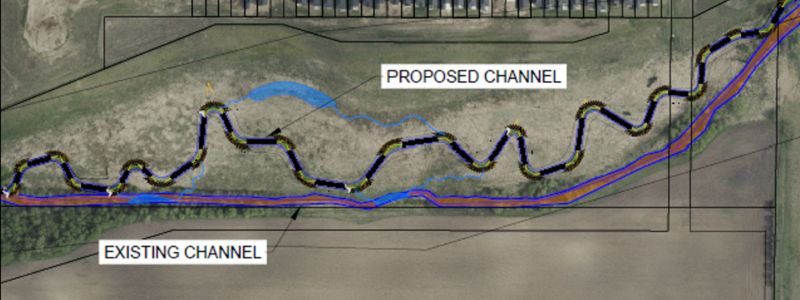
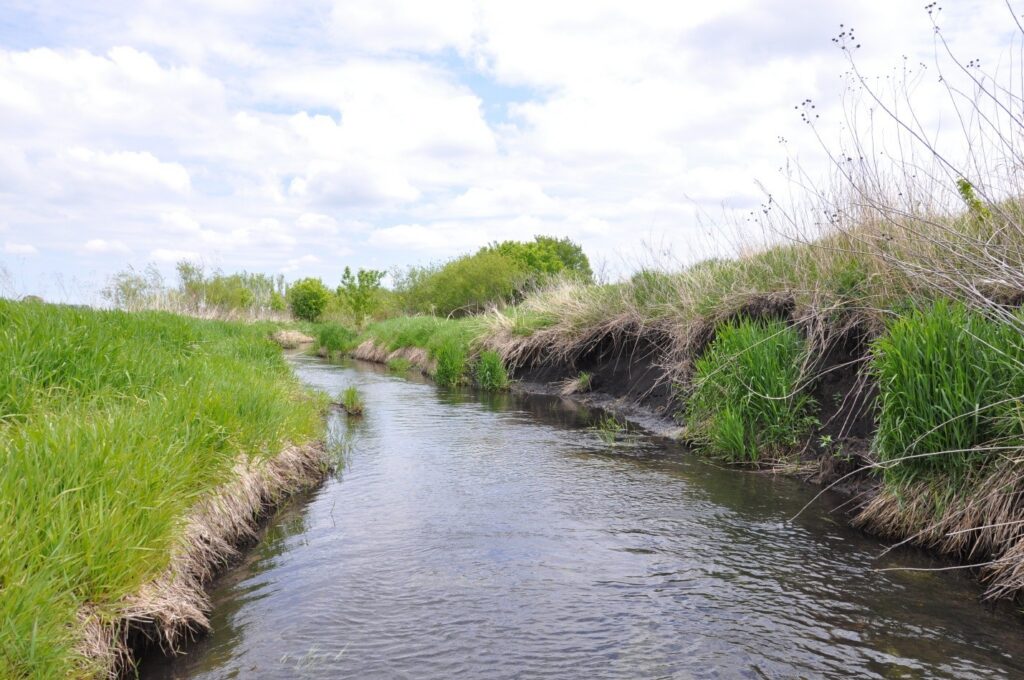
This section of South Creek was straightened and converted into a drainage ditch many decades ago. In-stream habitat was eliminated in the process. Over time, this altered channel became disconnected from its floodplain and it experiences ongoing bank erosion as the stream tries to re-meander itself. While vegetation may make the site look natural, it longer functions as healthy creek.
This project seeks to restore natural stream processes and in-stream habitat that support healthier fish and wildlife populations and a more resilient watershed.
What benefits will this project provide to South Creek and the Vermillion River?
The project is expected to:
- Improve in-stream habitat for wild trout and other fish
- Increase aquatic insect production
- Restore native vegetation
- Improve water quality
- Reduce streambank erosion and sedimentation, which smother habitat
- Restore natural floodplain function
- Improve long-term stream stability
- Enhance wildlife habitat, including birds, amphibians and turtles
- Improve resilience of stream channel and watershed to future flooding and extreme weather
What work is being proposed?
Project improvements include:
- Restoring a naturally meandering stream channel
- Installing in-stream habitat features such as woody cover, pool logs, riffles and boulders
- Stabilizing streambanks using natural channel design techniques
- Restoring native grasses, wildflowers, shrubs and trees
- Improving long-term habitat for fish and wildlife
- Reconnecting the creek to its floodplain to preserve in-stream habitat and increase resilience
Will this project increase flooding?
No. The project is being designed to maintain existing floodplain conditions and will undergo detailed hydraulic and floodplain modeling as part of the engineering process. The goal is to improve stream stability and floodplain function without increasing flood risk to neighboring properties.
Will the project affect flood insurance or floodplain boundaries?
No, no increases in flood risk are anticipated.
Engineering analyses will evaluate flood elevations and floodplain conditions to ensure the project does not adversely impact neighboring properties. Property owners should not expect the project to create new flood insurance requirements.
Is this project related to the Dakota County Greenway or proposed bike trail?
Not at all. Minnesota Trout Unlimited has had no involvement in any Dakota County Greenway or other bike trail project.
The South Creek Habitat Restoration Project is solely a stream and habitat restoration effort and is not taking place on land that the county may decide to use for a bike trail in the future. We have heard that decisions regarding any future trail on adjacent land are being evaluated independently by Dakota County and other agencies.
Will trees be removed?
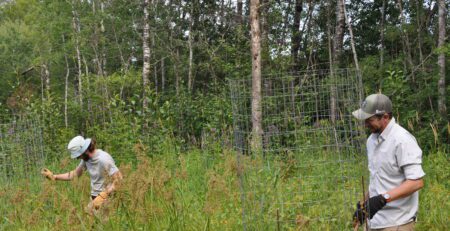
Some trees and shrubs will be removed to facilitate construction and restore natural floodplain function.
Tree removal will focus primarily on invasive species and vegetation that interferes with stream restoration goals. Harvested trees may be used to create habitat in the stream.
Healthy native trees will be retained whenever possible. In addition, selected dead or declining trees that provide nesting, roosting, or perching habitat for wildlife may be retained where they do not create safety concerns.
Will new trees and native vegetation be planted?
Yes. Following construction, the project will establish native grasses, wildflowers and forbes appropriate for the floodplain environment. These plantings will improve habitat quality, increase biodiversity, stabilize streambanks and improve long-term ecological resilience. The site was originally native prairie, but natural resource professionals may decide that some shrubs and trees are appropriate.
How will the project improve trout habitat?
The project will create:
- Deeper pools for trout refuge
- Improved spawning riffles
- Increased fish cover through woody habitat, rocks, undercut banks and deep water
- Better aquatic insect production
- Cooler, healthier stream conditions
These improvements help support trout populations and the aquatic food web that sustains them.
Will wildlife habitat be protected during construction?
Yes. Project design and construction timing will consider wildlife needs and environmental regulations. Habitat features that provide value to wildlife will be retained whenever practical and restoration efforts will create significant long-term habitat benefits. Rigorous permitting is required before construction starts.
Will public access change?
No. Temporary access restrictions may occur during construction for safety purposes. The project is on public land and is expected to improve opportunities for people to enjoy South Creek, while maintaining respect for neighboring landowners and existing property rights.
The project will not create new public access across private lands or alter private property rights. Trout anglers and other outdoor users are expected to follow all laws, respect private property, and be considerate neighbors.
When will construction occur?
Construction timing will depend on final design completion, permitting, funding and contractor scheduling, with earliest work starting in 2027. Additional information will be shared with the public as the project progresses through final design and permitting.
Who reviews and approves the project?
The project must undergo review by multiple local, state and federal agencies before construction can occur.
Potential reviewers and permitting agencies include:
- Dakota County
- City of Farmington
- Vermillion River Watershed Joint Powers Organization
- Minnesota Department of Natural Resources (DNR)
- Minnesota Pollution Control Agency (MPCA)
- U.S. Army Corps of Engineers
- Soil & Water Conservation District
- Other regulatory agencies as required
Project engineers, hydrologists, biologists and regulatory staff review the design to ensure it is safe, effective and environmentally responsible.
Who is paying for the project?
Project costs are being paid by Minnesota Trout Unlimited and reimbursed through the state Outdoor Heritage Fund. Partners are also making in-kind contributions.
Who will maintain the project after construction?
Minnesota Trout Unlimited and Dakota County will oversee post-construction monitoring and maintenance activities. Native vegetation establishment, invasive species management and project inspections will continue for several years following construction to ensure long-term success.
Funding for this project was provided by the Outdoor Heritage Fund as appropriated by the Minnesota State Legislature and recommended by the Lessard-Sams Outdoor Heritage Council.