
Sharing our work with people who make it possible
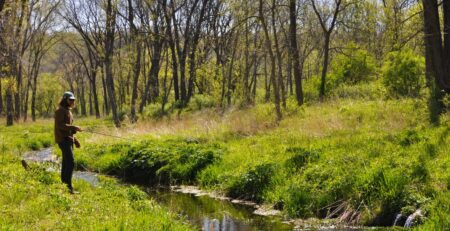
Our habitat restoration projects are the result of years of collaborative planning — meetings with the Minnesota Department of Natural Resources (DNR), grant applications, competitive bidding processes, stream design planning, community engagement. It’s worth remembering that all this work we do is made considerably easier because of one key detail: We live in a state filled with people who value conservation and the restoration of degraded habitat.
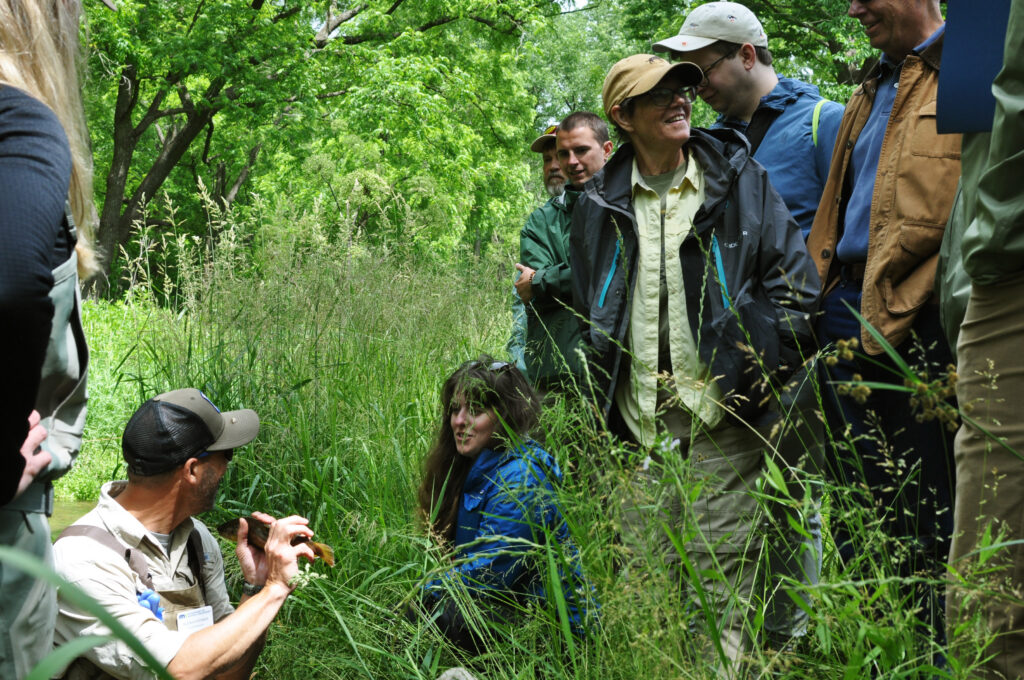
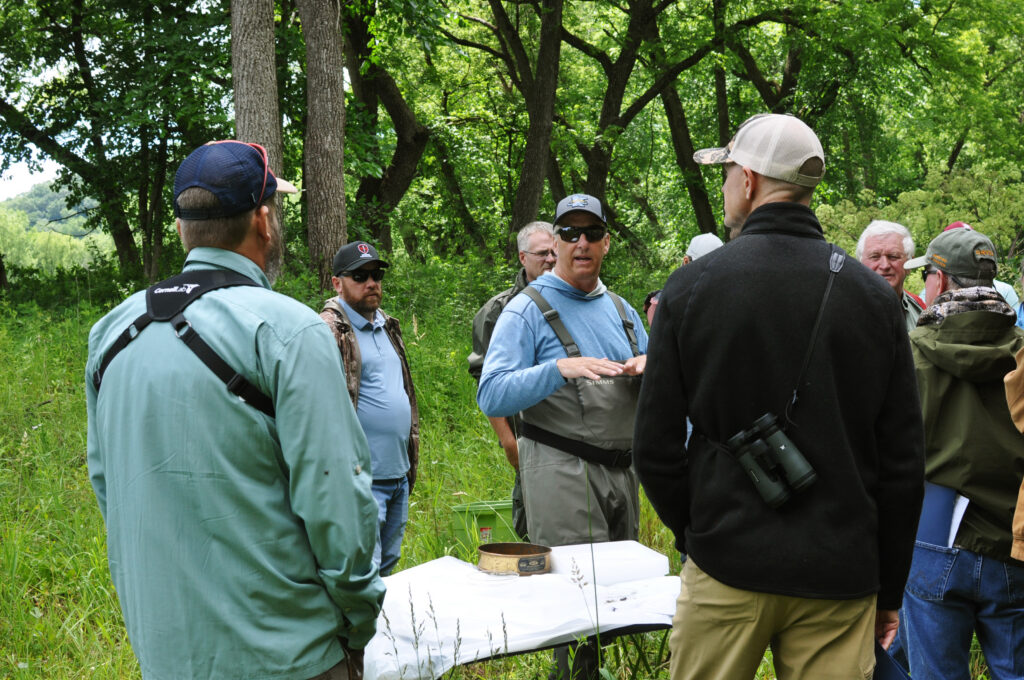
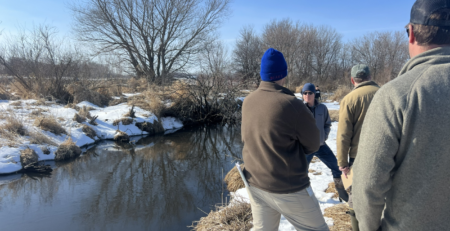
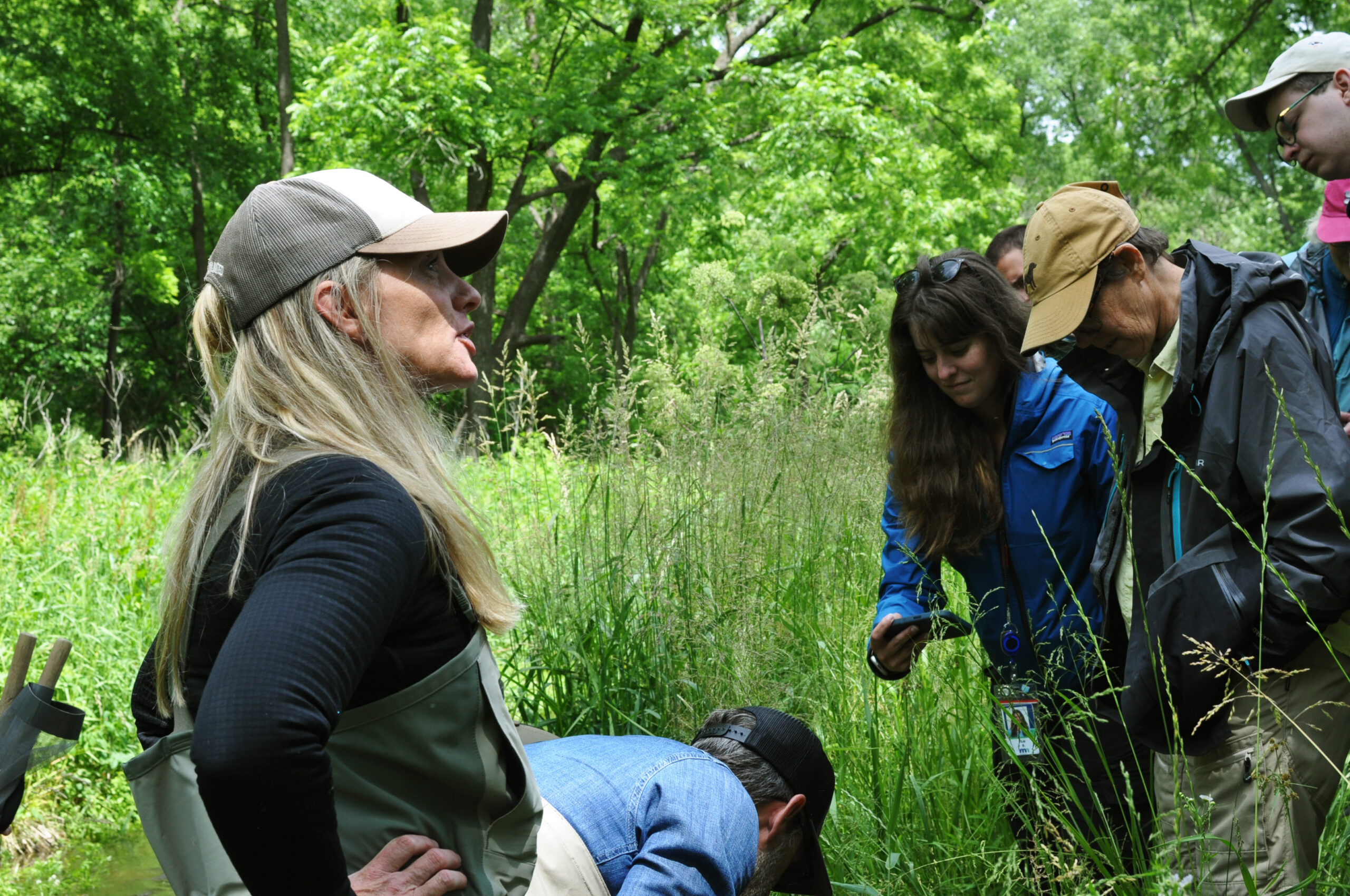
In June, we had the privilege of getting to share one of our favorite stream projects with members from the Lessard-Sams Outdoor Heritage Council (LSOHC) — the group that recommends which conservation projects the Minnesota legislature should support with the Outdoor Heritage Fund.
If you are not familiar with how Minnesota’s unique dedicated funds for protecting the state’s outdoor heritage support the stream work we do at Minnesota Trout Unlimited, stick around. It’s worth understanding how your sales tax dollars enhance habitat for trout across the state and how voters like you have helped create a new legacy of conservation in Minnesota.
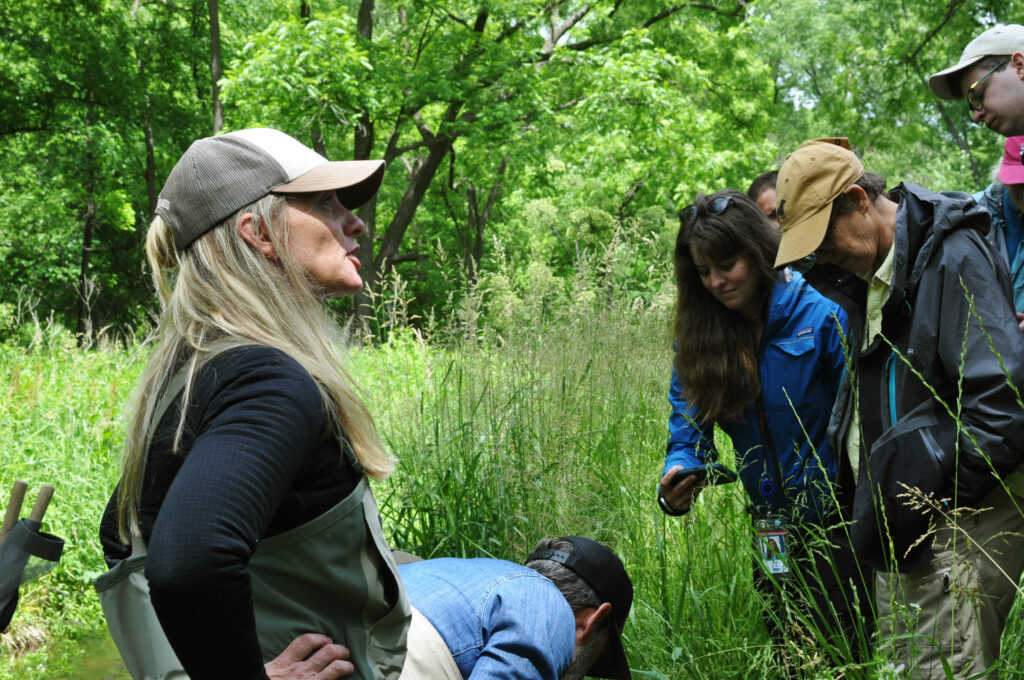
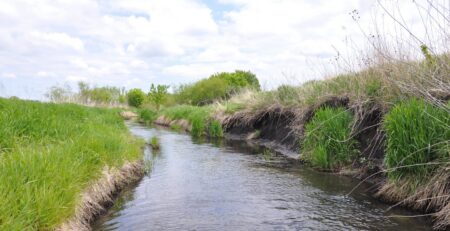
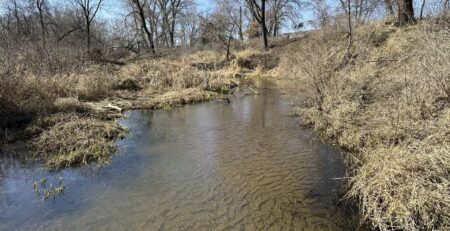
As many of you know, our stream work is funded by Minnesota’s Outdoor Heritage Fund through a competitive grant process. Minnesotans voted in 2008 to dedicate proceeds of a new state sales tax to support our natural and cultural heritage, including the restoration of wildlife habitat. This created the Outdoor Heritage Fund and the council, LSOHC, that joined us at Cedar Valley Creek for a tour of our 4,500-foot habitat restoration project in in southeast Winona County.
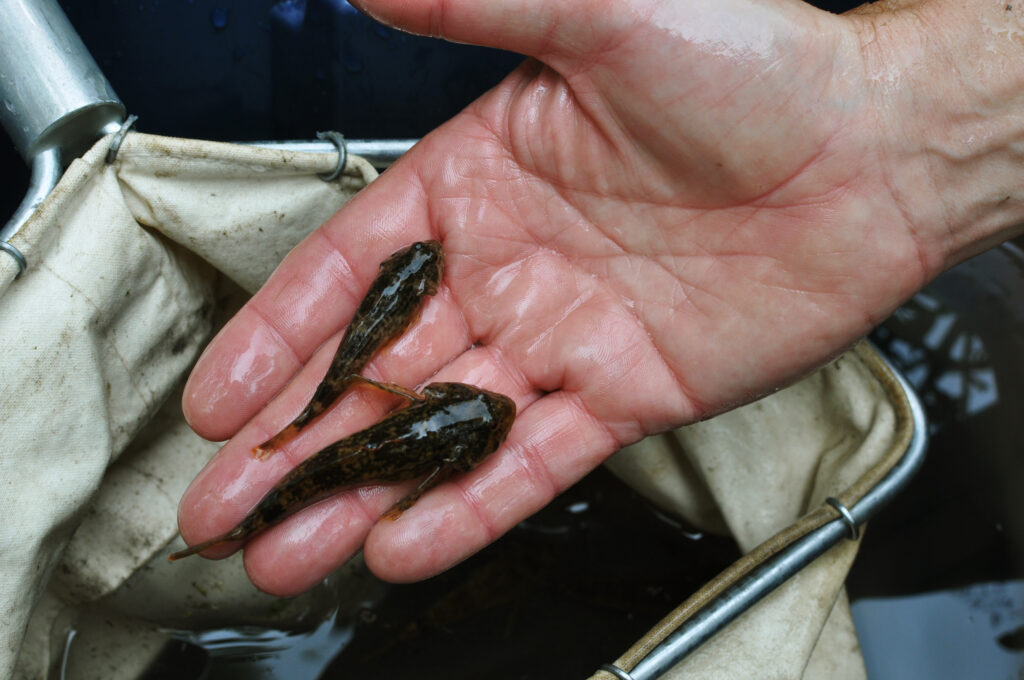
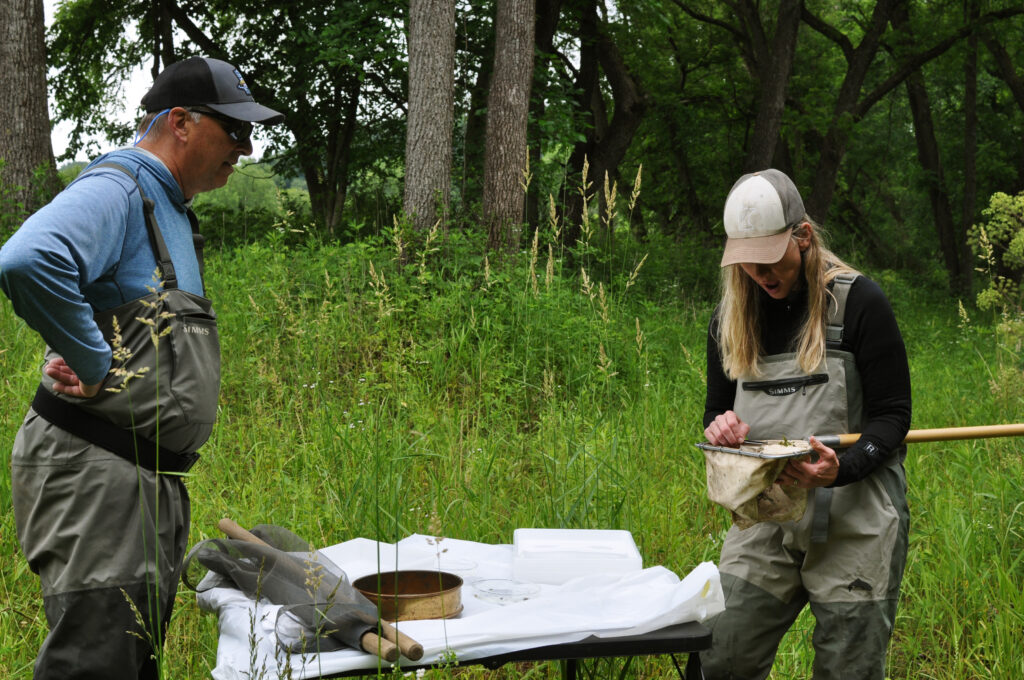
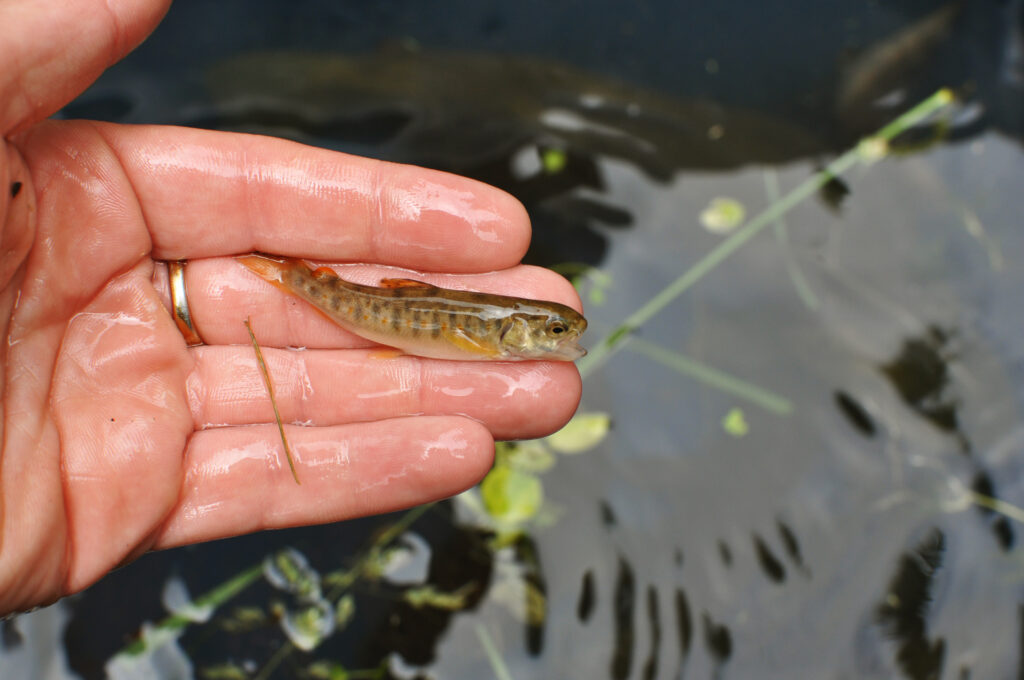
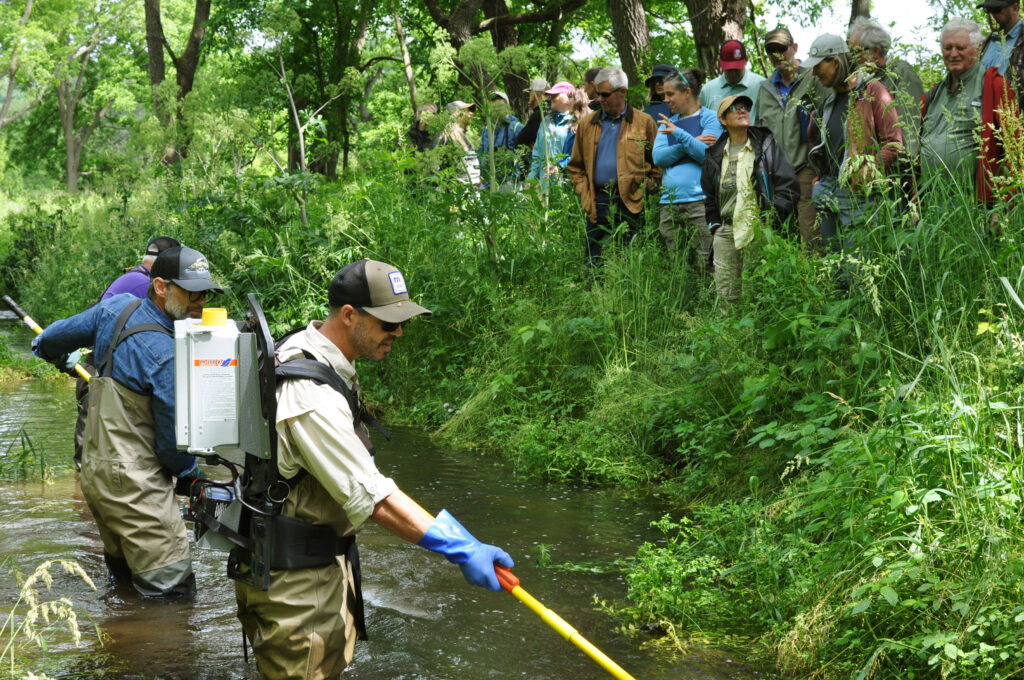
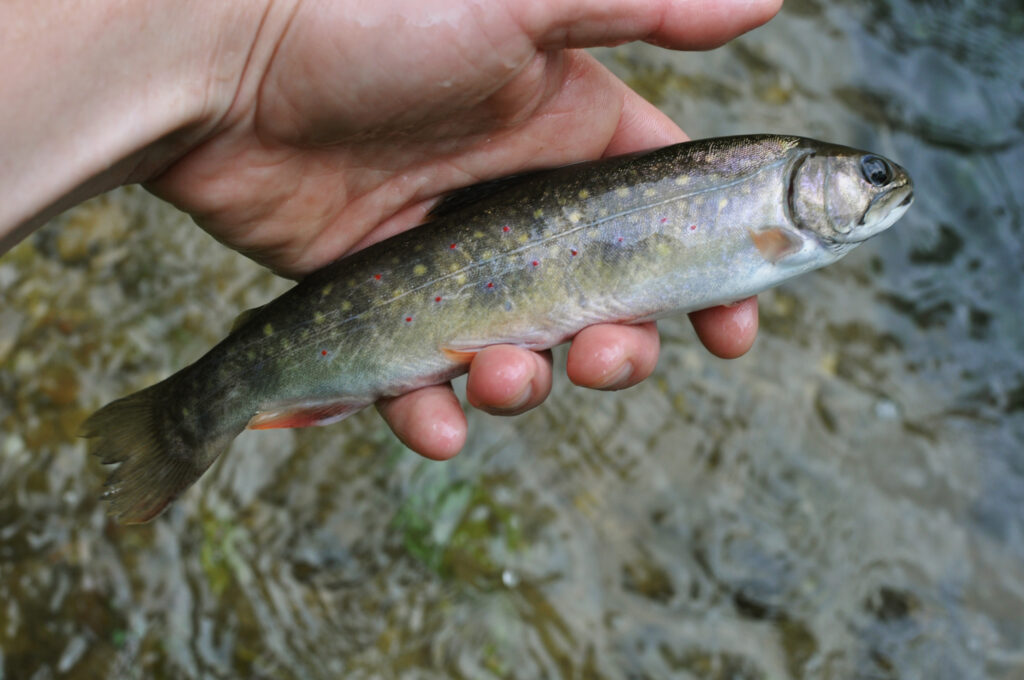
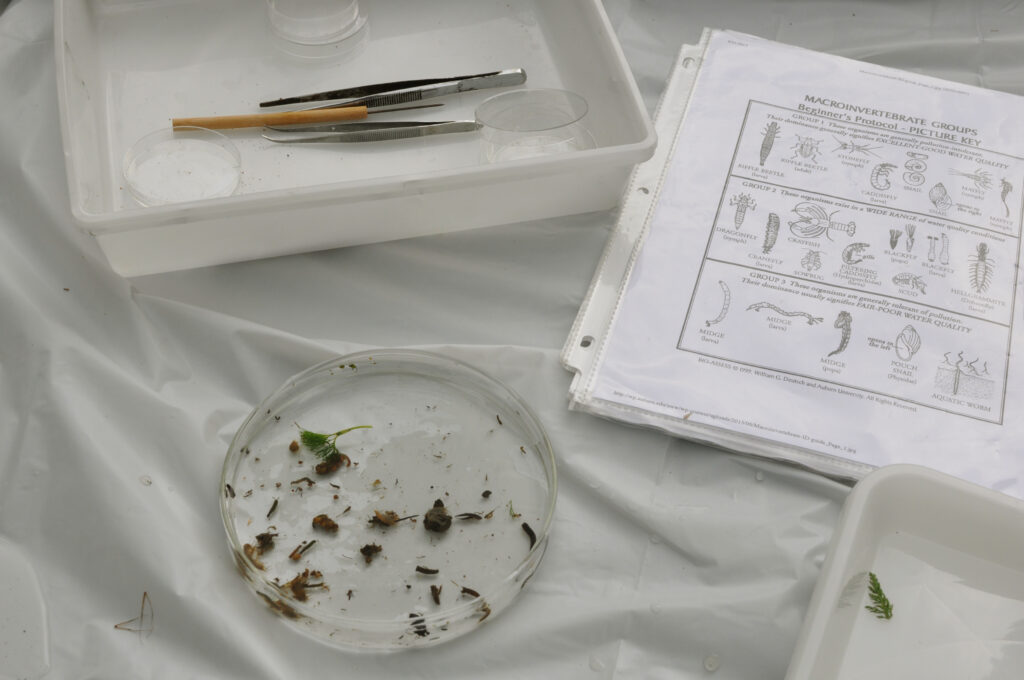
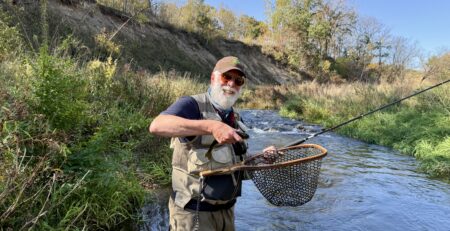
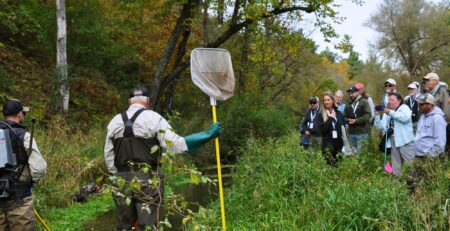
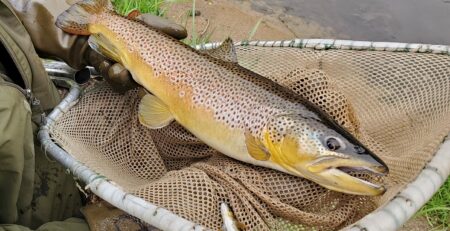
Our partners and volunteers pitched in to help us net up some thriving trout and aquatic macroinvertebrates to show visitors. Minnesota Trout Unlimited’s executive director, John Lenczewski and habitat director, Jennifer Biederman answered questions and highlighted the biggest contributors to restoring trout habitat, including riffles created for trout spawning and food production as well as deepened pools with overhead cover added.
We are hopeful for a future with many more opportunities to show the people — LSOHC members and otherwise — the restoration work that they help make possible.
Learn more about our Cedar Valley Creek project and how we approach habitat restoration here. Because our projects are supported by state sales taxes, it’s our commitment that all of our projects take place where there’s permanent public access, whether through the form of a DNR easement or other public protection.