
Notes from the field: Restoration in motion across Minnesota
August is one of the busiest times of the year for Minnesota Trout Unlimited’s habitat program. Construction projects are underway. Vegetation is growing and we have volunteers in the field. And design work is steadily moving forward on next year’s batch of stream restoration projects.
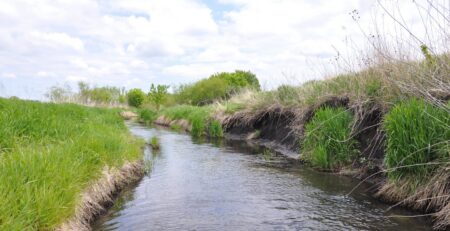
Construction is currently underway on the South Branch of the Root River in downtown Lanesboro. If you haven’t heard yet, this project will improve approximately 3,000 feet of river by reconnecting the channel to its floodplain, stabilizing eroding banks, while adding deeper pools, spawning riffles, woody cover and other habitat features for trout. The project will also improve public access by replacing steep banks with more gradual, natural floodplain benches. Following construction, we will begin the longer process of establishing native grasses, wildflowers, shrubs and trees along the river corridor.
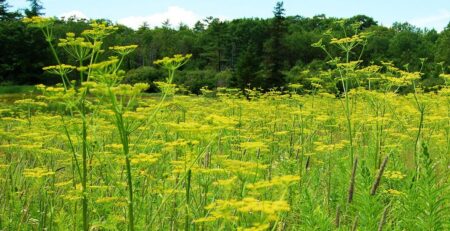
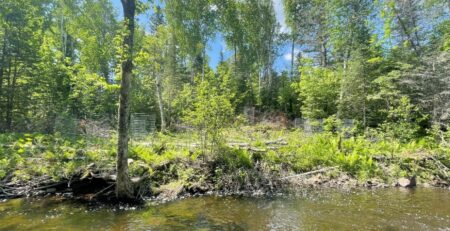
At Eagle Creek in Savage, the cover crop planted after construction continues to fill in across the project area. Cover crops are an important first step following stream restoration. Their fast-growing roots protect exposed soil, reduce erosion and provide temporary stability while permanent native vegetation becomes established. Over the next several growing seasons, this early cover crop will gradually give way to a more diverse community of native plants.
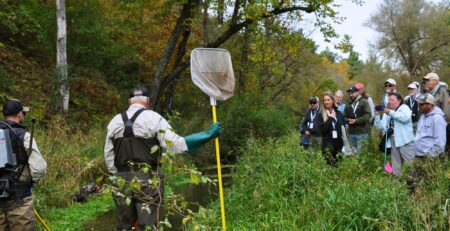
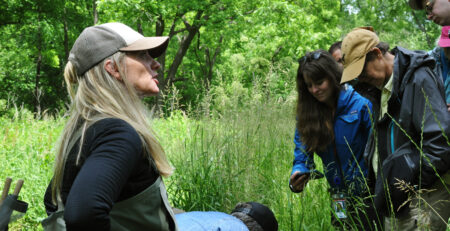
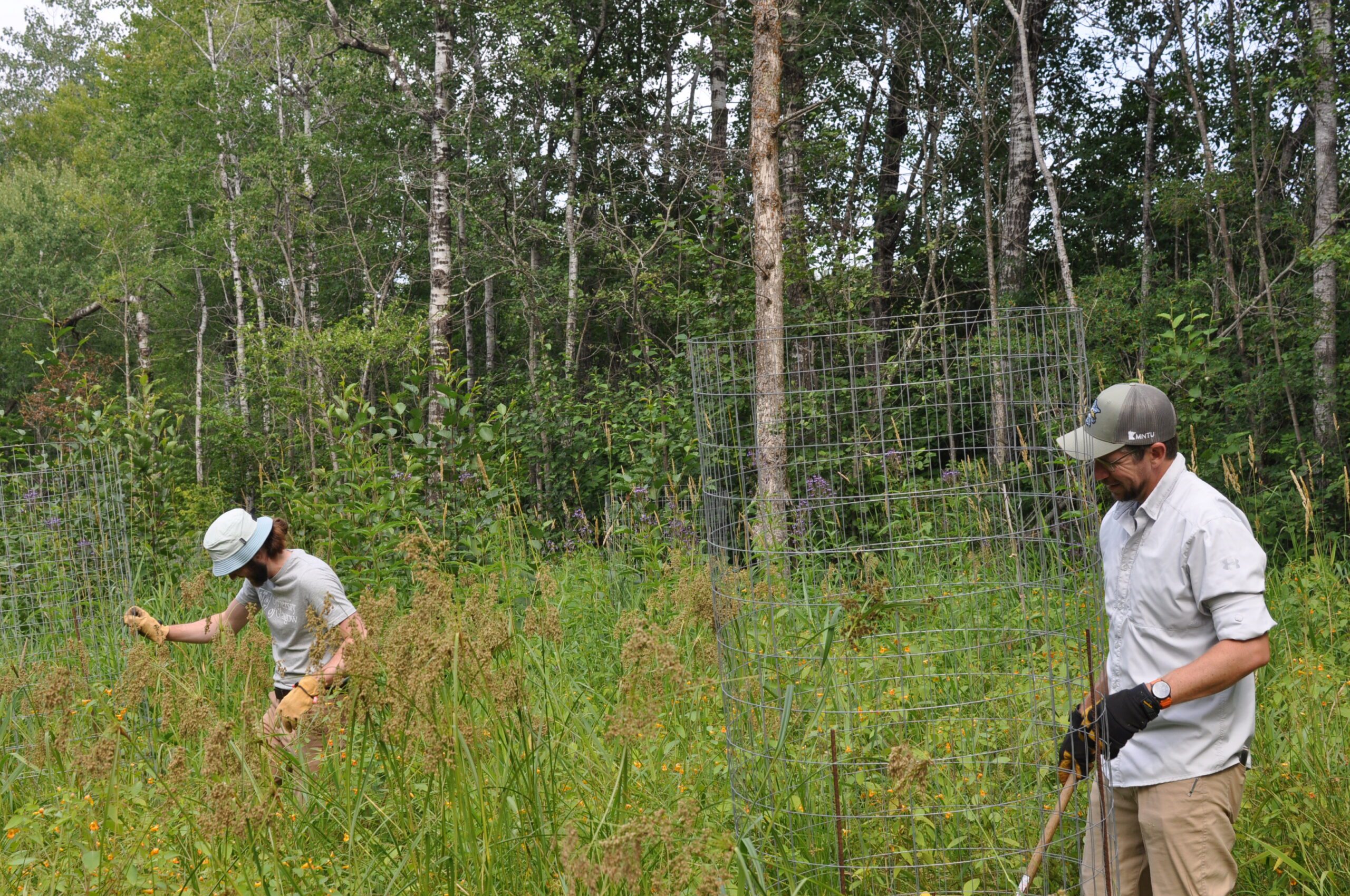
Farther north, MNTU staff and Gitche Gumee Chapter volunteers recently gathered at Keene Creek Park in Hermantown for a tree maintenance at the site of a completed stream restoration project. Volunteers cleared competing vegetation and removed cages from growing white cedar and white pine where needed. Planting trees is only the beginning; continued maintenance during the first several years gives young trees a much better chance of surviving deer browse, competing vegetation and other stresses as they become established.
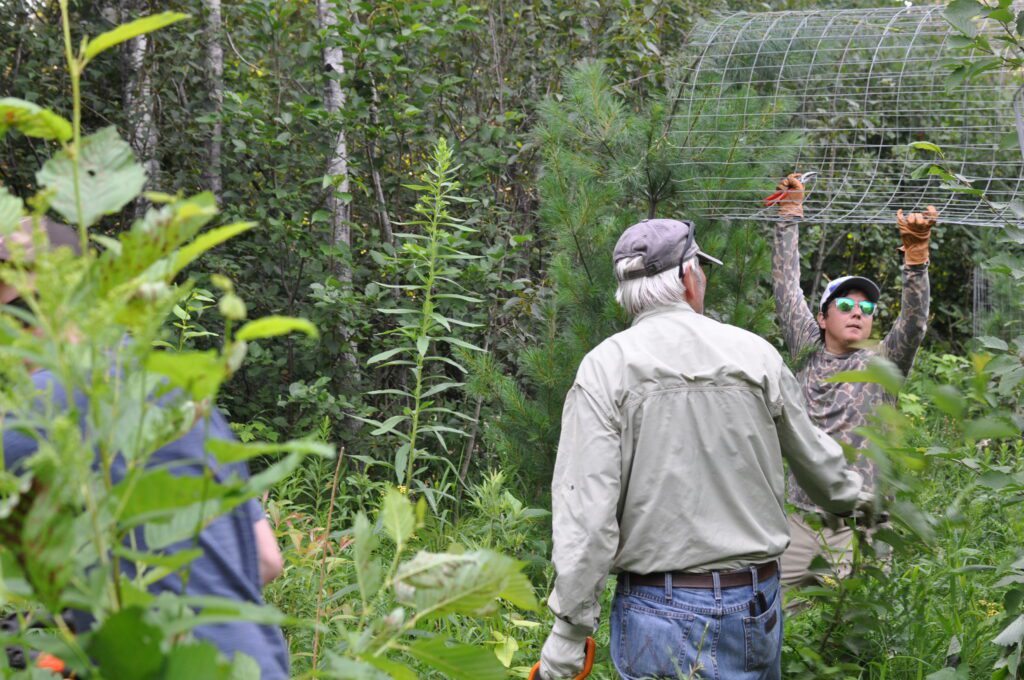
MNTU’s work to restore healthy riparian forests is also expanding along the North Shore. Crews are planting forest gaps within the Split Rock River watershed, with the remaining work scheduled to be completed this fall. Gap planting replaces areas of dead and declining spruce and balsam fir (due to the spruce budworm pest) with a diverse mix of long-lived native species. This helps restore shade, stabilize soils, improve wildlife habitat and protect the cold water on which trout depend.
We also recently inspected 240 forest gaps planted last year in the Sucker, Lester and French River watersheds. Tree survival was greater than 80 percent, an impressive result given the challenges young trees face with competition, weather and difficult growing conditions. Continued inspection and maintenance will help these plantings develop into more diverse and resilient riparian forests that keep our best North Shore streams cold enough for native brook trout.
We are also moving forward with three new fish-passage projects in the Split Rock and Two Island River watersheds.
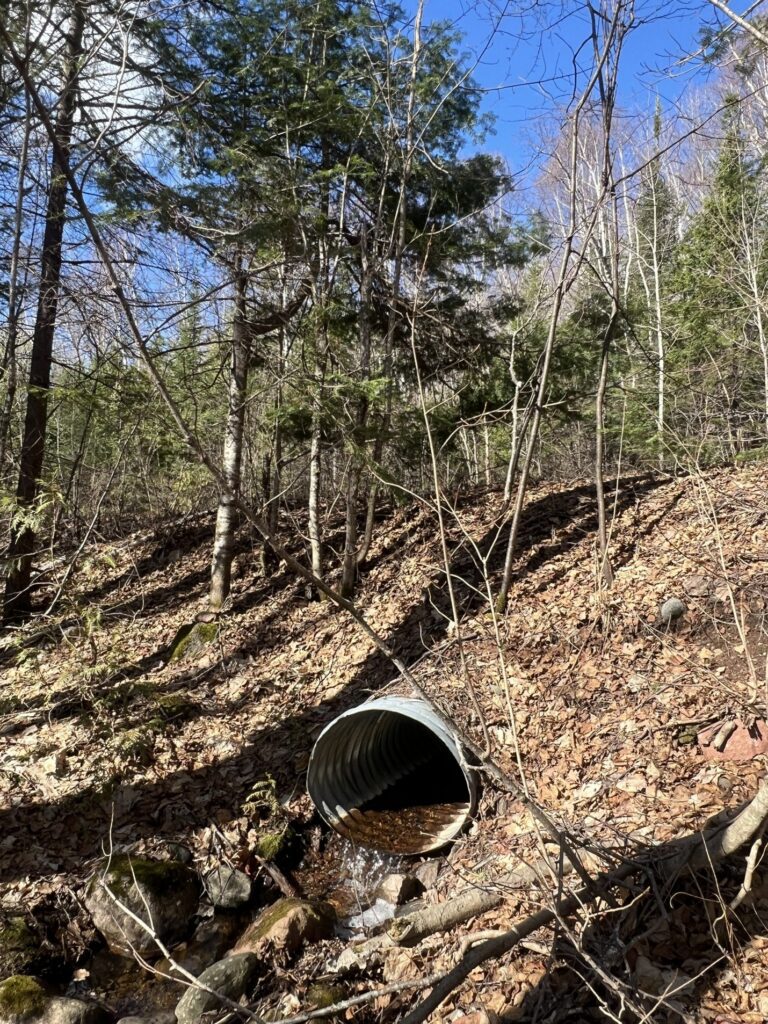
MNTU recently awarded a contract to design and permit replacements for three barrier culverts that currently restrict the movement of fish and other aquatic organisms. Design and permitting will occur over the coming months, with construction planned for June 2027. Replacing these barriers will reconnect fragmented habitat while improving stream function and resilience during high flows.
While construction and maintenance keep us busy in the field, we are also looking ahead. Design is underway on several additional projects planned for installation in 2027, including Garvin Brook near Stockton, Crooked Creek near Caledonia, Lynch Creek near Chatfield, South Creek in Farmington, Amity Creek in Duluth and Keene Creek in Hermantown.
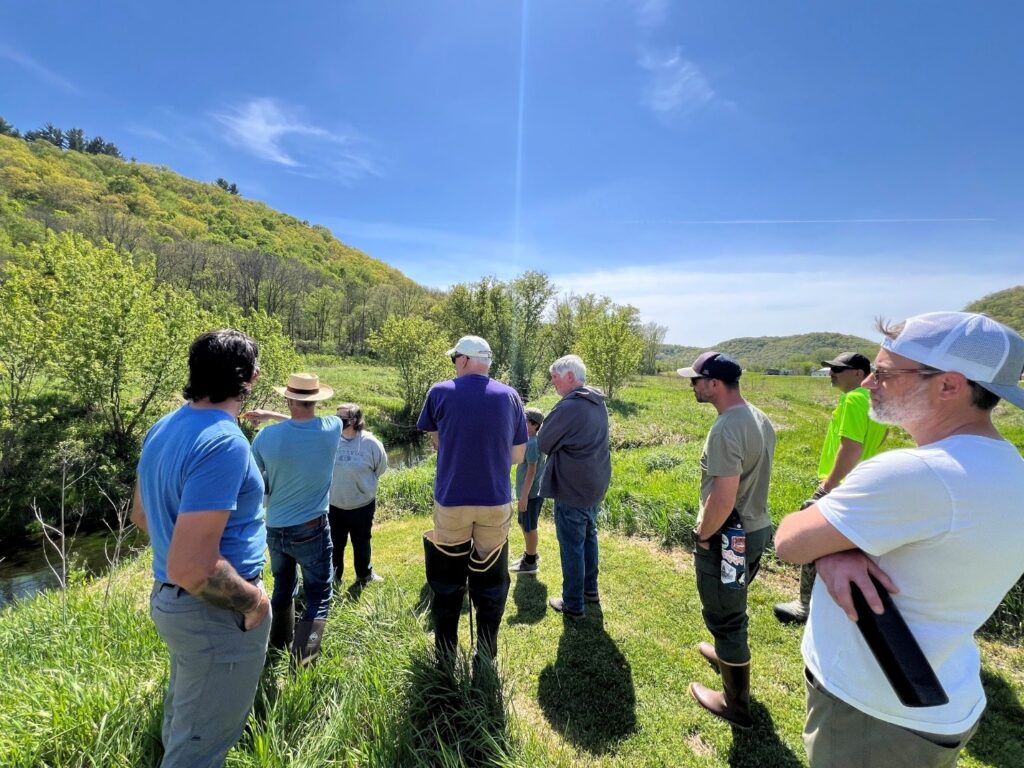
This phase includes field surveys, reviewing hydrology and existing habitat conditions, coordinating with landowners and agency partners and developing designs that address the needs of each stream. Although these projects are still taking shape, each is intended to improve coldwater habitat, increase channel and floodplain function, reduce erosion and support more resilient trout streams.
Habitat restoration takes years of planning, construction, planting, monitoring and maintenance, along with the commitment of our agency partners, local communities, chapters, volunteers, consultants and contractors. We are grateful to everyone helping move this work forward across Minnesota – especially the generous funding from the Lessard-Sams Outdoor Heritage Fund!
Funding for these projects was provided by the Outdoor Heritage Fund as appropriated by the Minnesota State Legislature and recommended by the Lessard-Sams Outdoor Heritage Council.