
How our habitat restoration program stays busy through the winter
Minnesota Trout Unlimited has quite a few stream restoration projects in design right now, which means we are busy walking streams, reviewing design plans, coordinating with consultants and working through the many local, state and federal permits required of these projects.
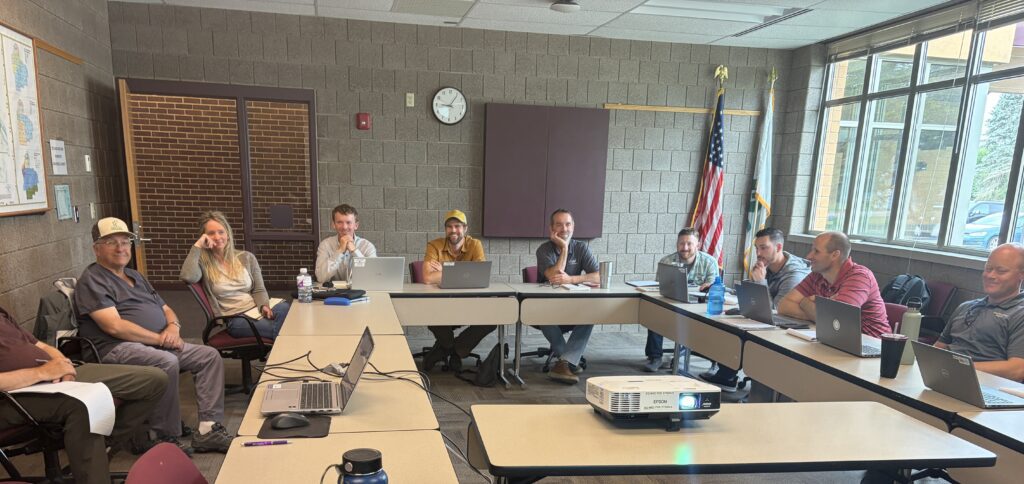
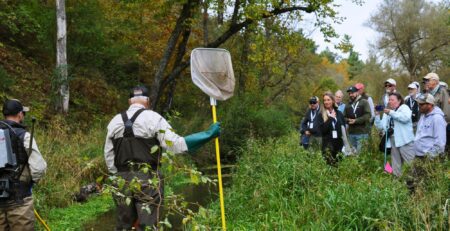
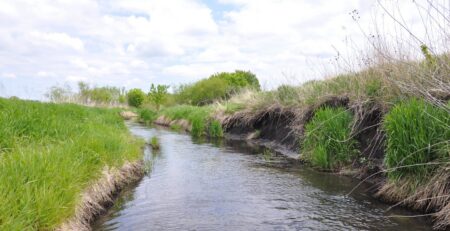
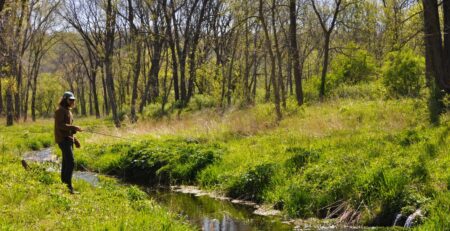
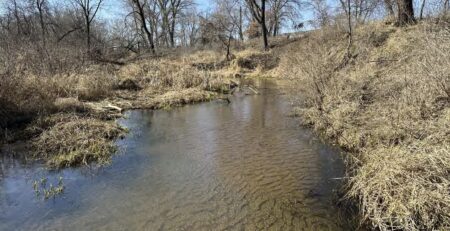
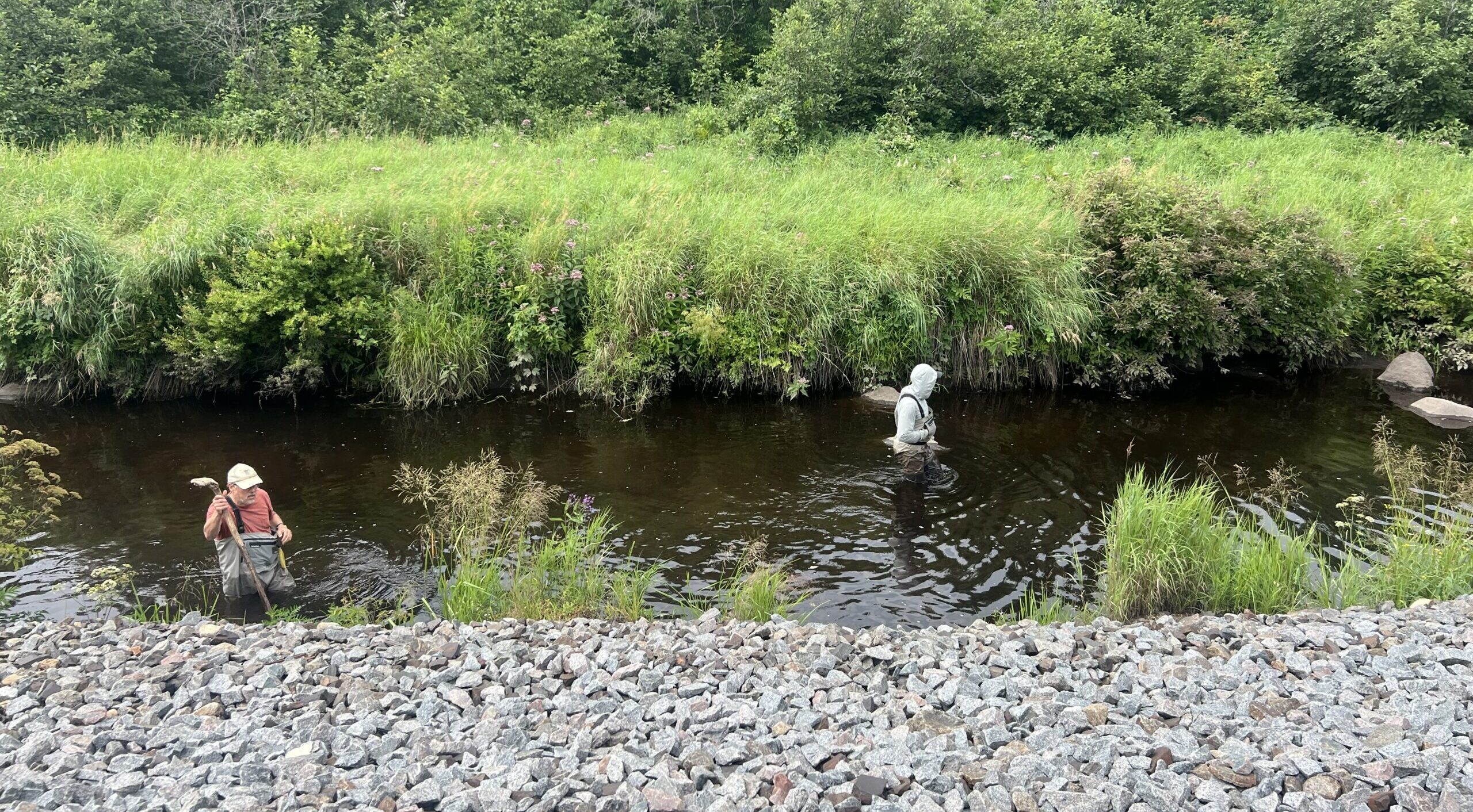
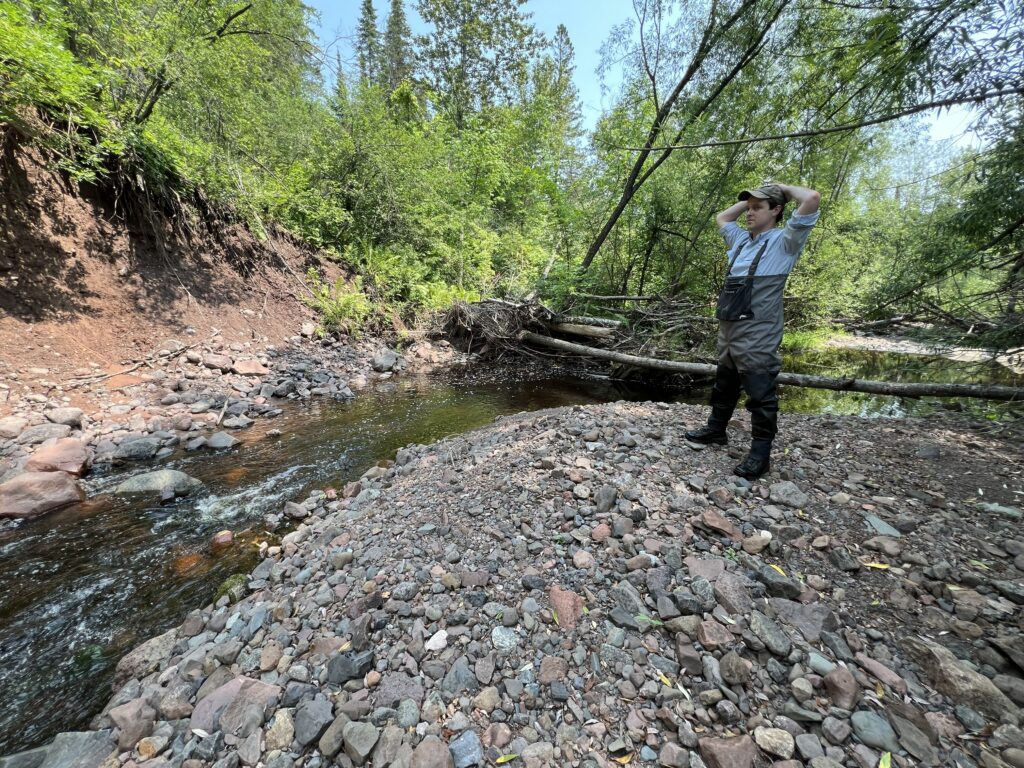
The design process usually begins with a site visit involving MNTU, Minnesota Department of Natural Resources (DNR) fisheries staff, our engineering consultants and sometimes landowners or other project partners. Each chapter has a habitat committee member who also joins. We walk the reach to discuss our goals and what might be feasible. In many cases, streams have obvious problems, like severely eroding banks, channel incision or a lack of suitable trout habitat. Other projects are a little more complicated. For example, a stream could look reasonably healthy, but have a history of channelization, limited floodplain connectivity or very little habitat diversity.
These initial walks are very useful because, often, everyone tends to notice different things. Fisheries staff think about trout habitat and stream productivity, the engineers look at channel geometry and hydraulics, while MNTU is thinking about all of that along with project costs, landowner agreements, public access, recreational fishing and funding requirements.
After that first design walk, we generally leave with a much better understanding of the reach and are ready to start putting on paper what a design for restoration would involve.
From there, our consultants conduct detailed geomorphological surveys and begin developing the design. Depending on the project, that might include reestablishing a meandering channel, reconnecting the stream to its floodplain, narrowing an overly wide channel or incorporating habitat features like pools, riffles and woody cover. The design needs to account for the nature of the greater landscape, including the slope and width of the valley, along with considerations like flows and sediment supply. What works well on a steep North Shore tributary is often quite different from what we might design for a spring-fed trout stream in the Driftless Area.
We review plans at several points during design, generally at 30%, 60% and 90% completion. Typically, there are changes along the way, sometimes fairly substantial ones. This a good thing – stream restoration design is an iterative process! We might revisit the proposed channel alignment after looking more closely at the topography or adjust grading to avoid unnecessary wetland impacts. Construction costs also factor into these decisions. We want to get the most habitat benefit we can from the funding available, without making the project more complicated or expensive than it needs to be.
Permitting is another big piece of the process, and one that can take longer than people might expect. All projects on Minnesota trout streams require a DNR public waters work permit, and also need federal authorization through the U.S. Army Corps of Engineers and Minnesota Pollution Control Agency 401 Certification. Wetlands, floodplains, protected species and local ordinances can all introduce additional requirements, and we must consult state inventories for any documented threatened or endangered species within one mile of the project area. Much of this permitting and coordination happens while we’re still working through the design.
We currently have projects moving through this process across the state, including South Creek in the Vermillion River Watershed, Amity Creek near Duluth and several streams in southeast Minnesota. Some are just getting started, while others are approaching final design or working through permits.
For a project that might take only a few weeks or months to construct, the design and permitting process can stretch over a year or two. It’s a considerable amount of coordination between MNTU, consultants, agency staff and landowners. It’s a good portion of what keeps our habitat program busy throughout the year. As always, we thank Lessard-Sams Outdoor Heritage Council and the Minnesota Legislature for making these projects possible!