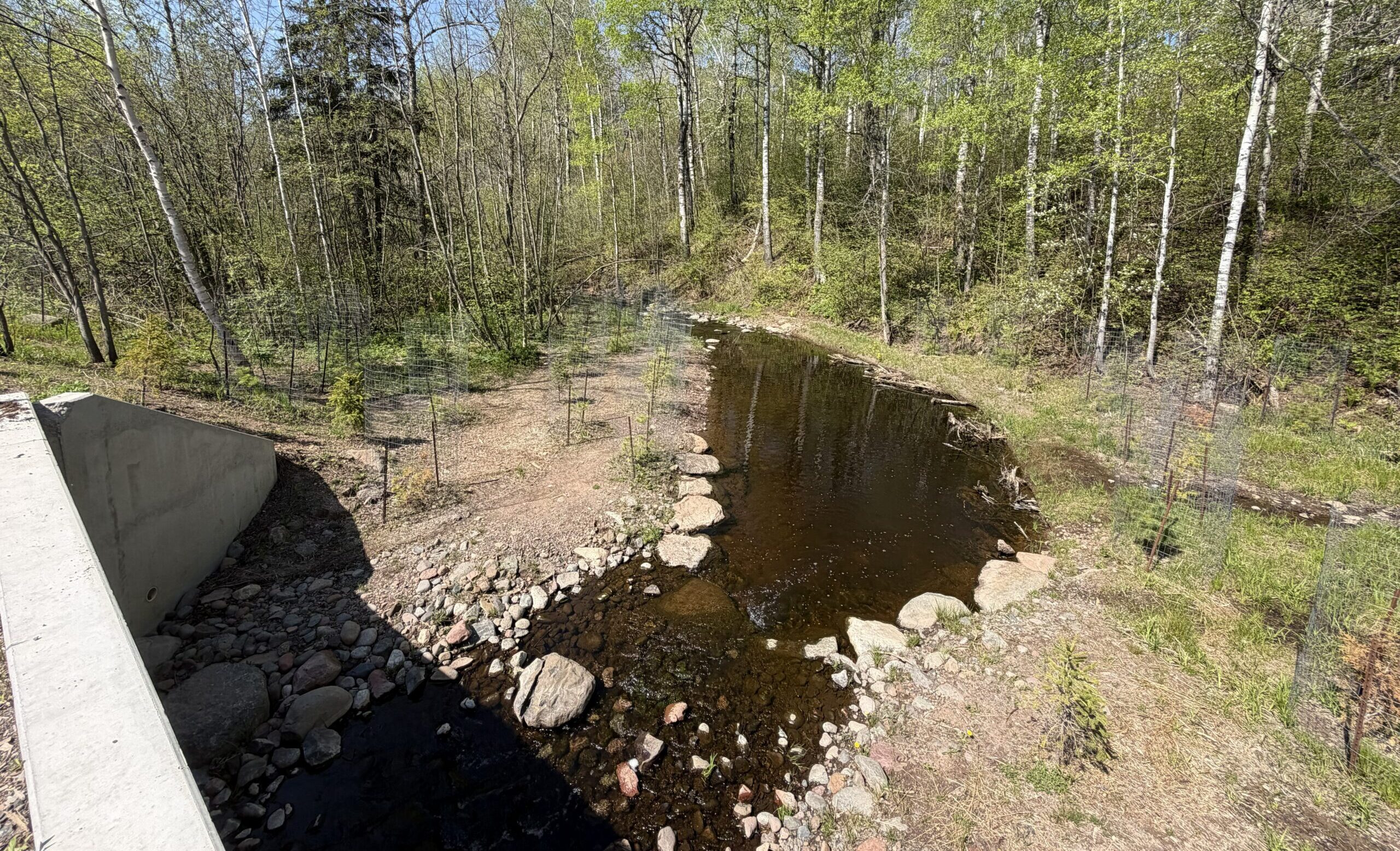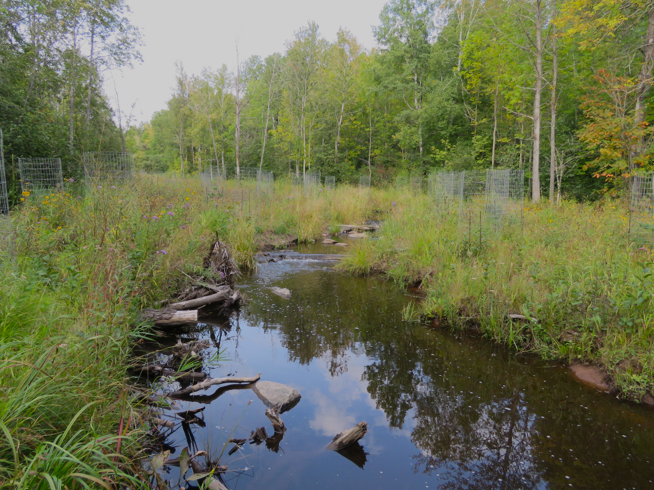
What Happens After Stream Restoration? From Bare Soil to Cover Crops to Thriving Native Habitat

When a stream restoration project wraps up, the work on the ground is just beginning. During construction, streambanks are graded and soil is heavily disturbed throughout the project reach. In most cases, to restore the stream’s access to its floodplain we must grade back soil. This requires that most vegetation...

Read more...

Habitat Director’s Report from the Field, July 2025

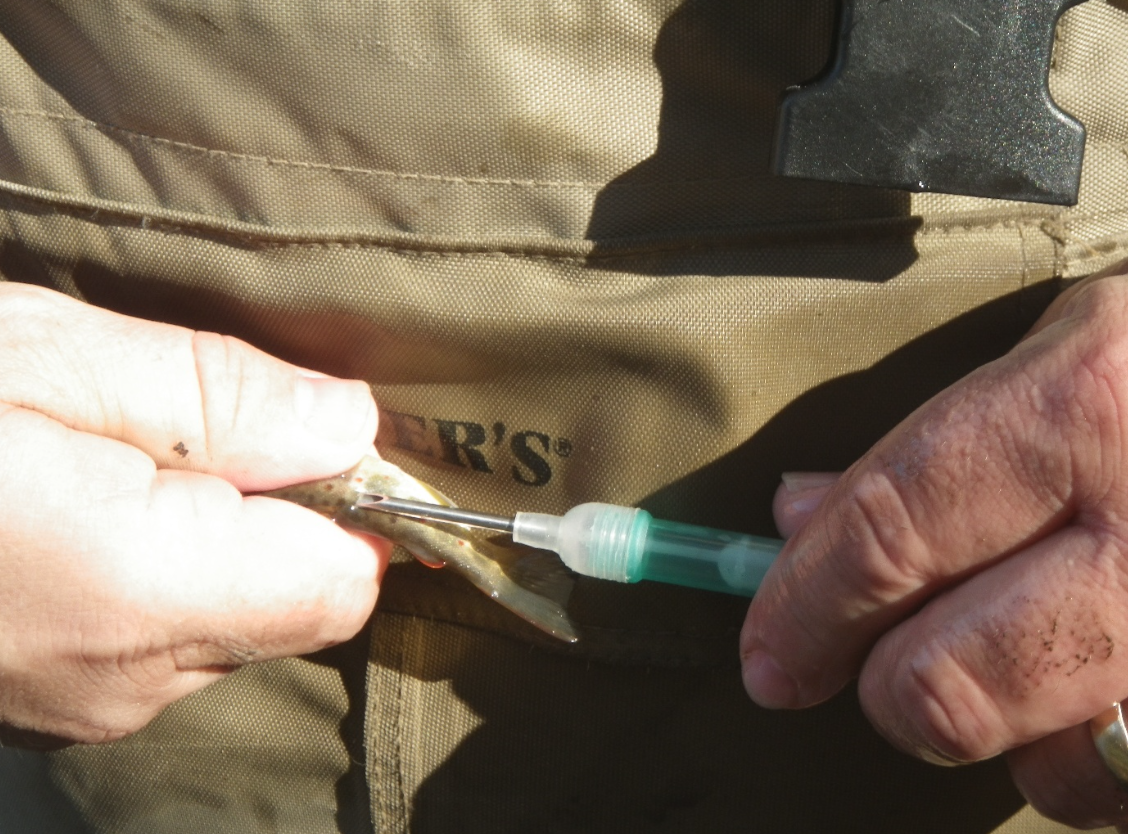
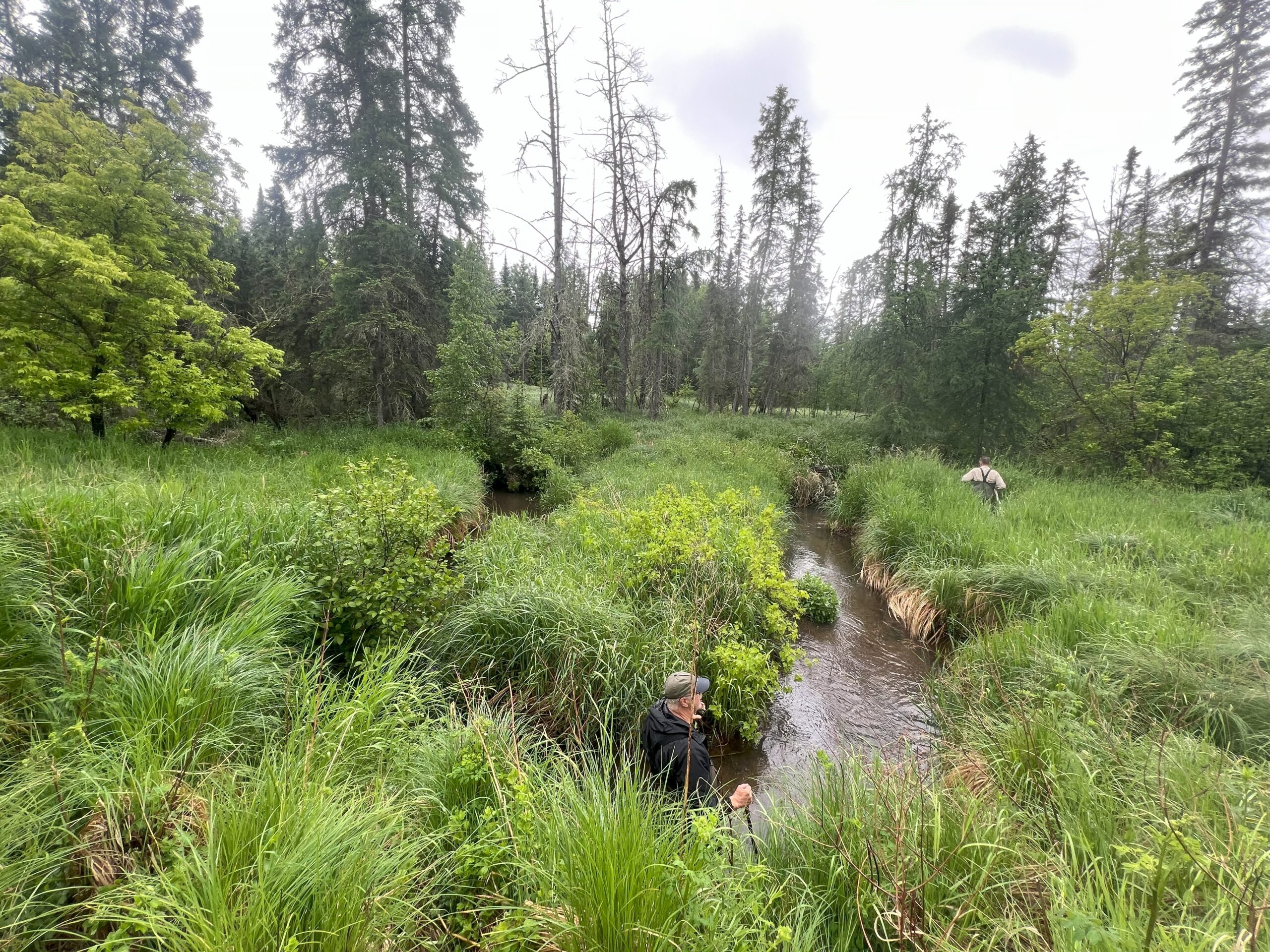
July is the heart of field season when it comes to carrying out stream restoration work across the state. Tackling riparian invasives, removing barriers to fish passage, scoping future projects, maintaining tree plantings, and implementing large scale instream habitat improvements - the staff, members, volunteers, and contractors of MNTU have...

Read more...

MNTU’s barrier removal projects also benefit aquatic invertebrates

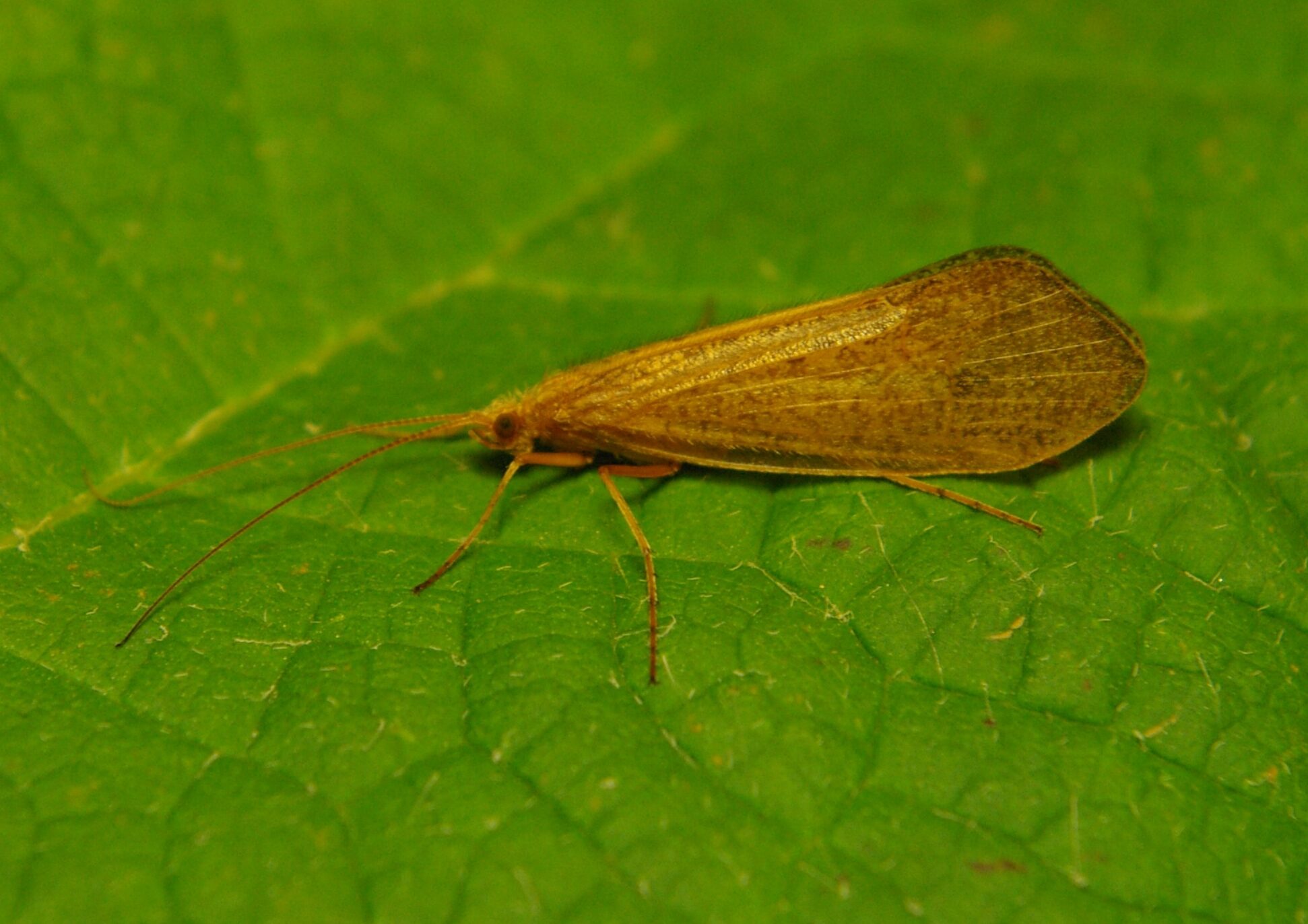
When most trout anglers think about culvert replacements, they rightly think of trout passage to critical habitat.   Undersized, perched, and crumbling culverts block trout from reaching cold water refuges, spawning grounds, and more habitat. Removing those barriers is a huge benefit to trout fisheries. But often overlooked is the fact that...

Read more...

No Hatch to Match? The Silent Decline of Aquatic Insects in Minnesota Trout Streams

If you’ve spent any time fishing the cold, clear streams of the Driftless Region, you know that matching the hatch is often the key to success. Hundreds of fly patterns exist to mimic the many species of mayflies, caddisflies, and stoneflies that emerge throughout the season. But in recent years,...

Read more...