

MNTU’s barrier removal projects also benefit aquatic invertebrates
Culvert replacements also help rebuild the larger aquatic food web.
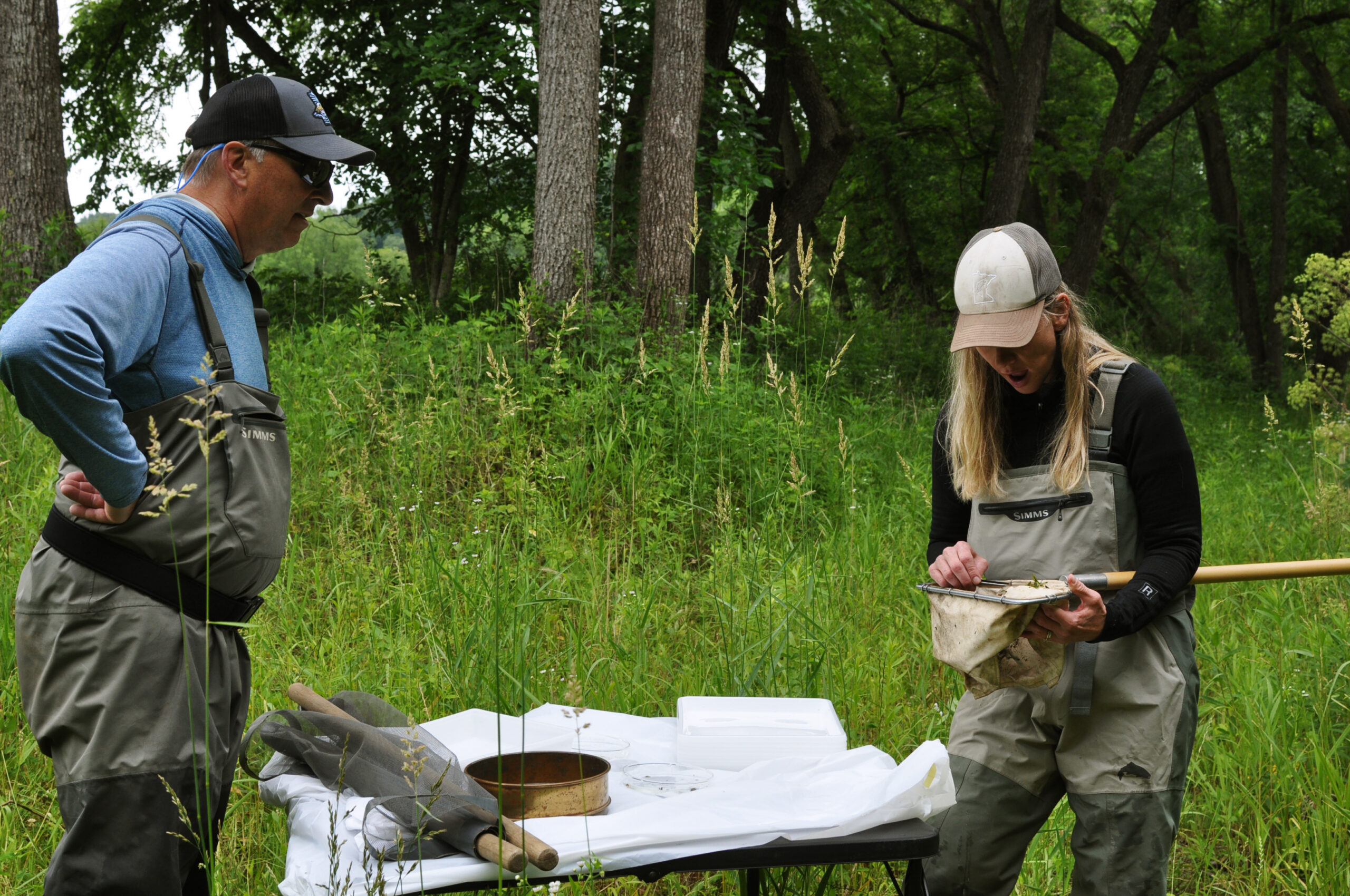
Culvert replacements also help rebuild the larger aquatic food web.
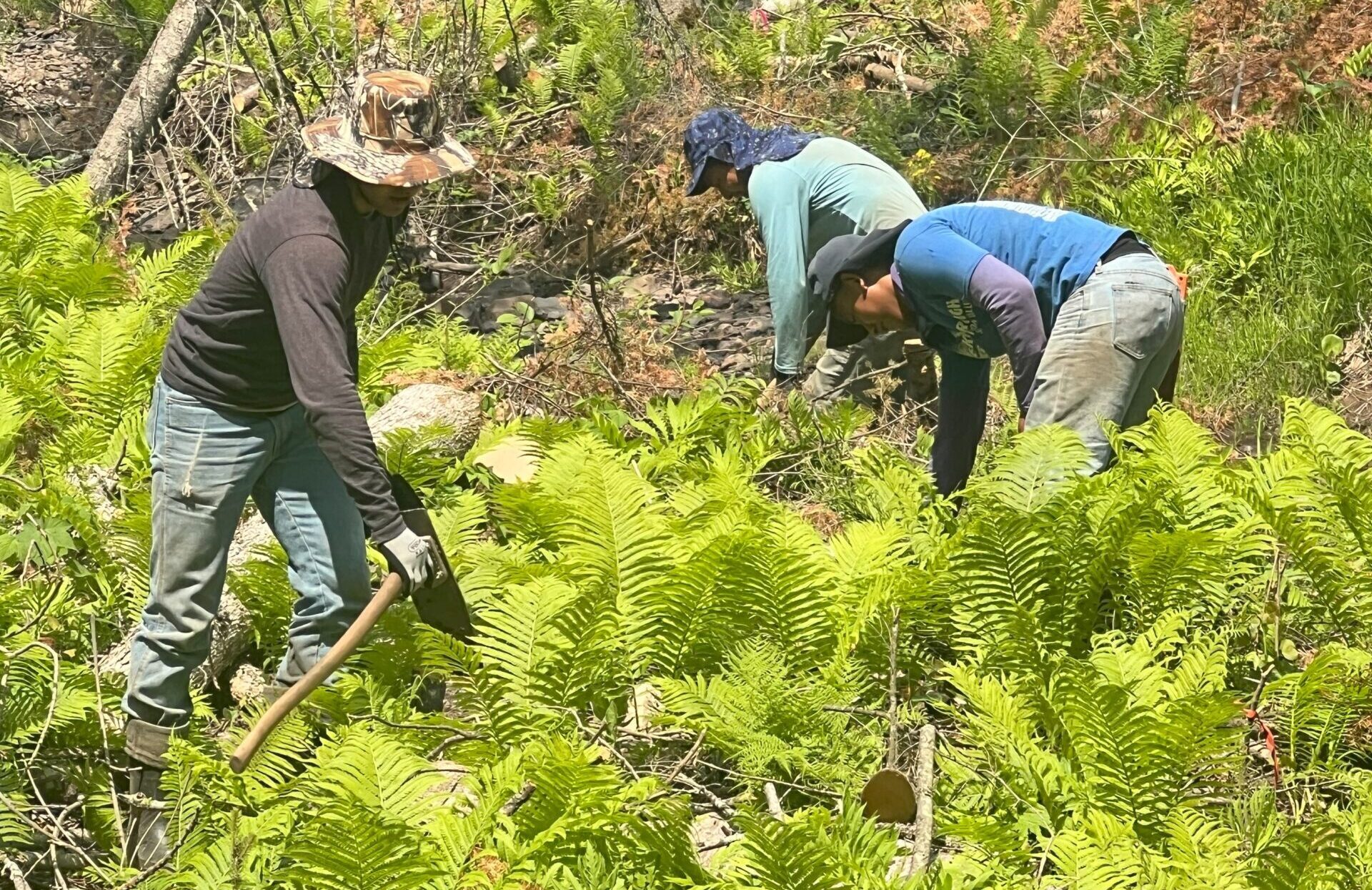
If you’ve fished along a trout stream in northeast Minnesota lately, you’ve probably noticed the standing dead spruce and balsam fir, open gaps in the forest canopy, and more brush than you’d expect in what used to be shaded, coniferous woods. It’s not just about aesthetics - it’s a coldwater...
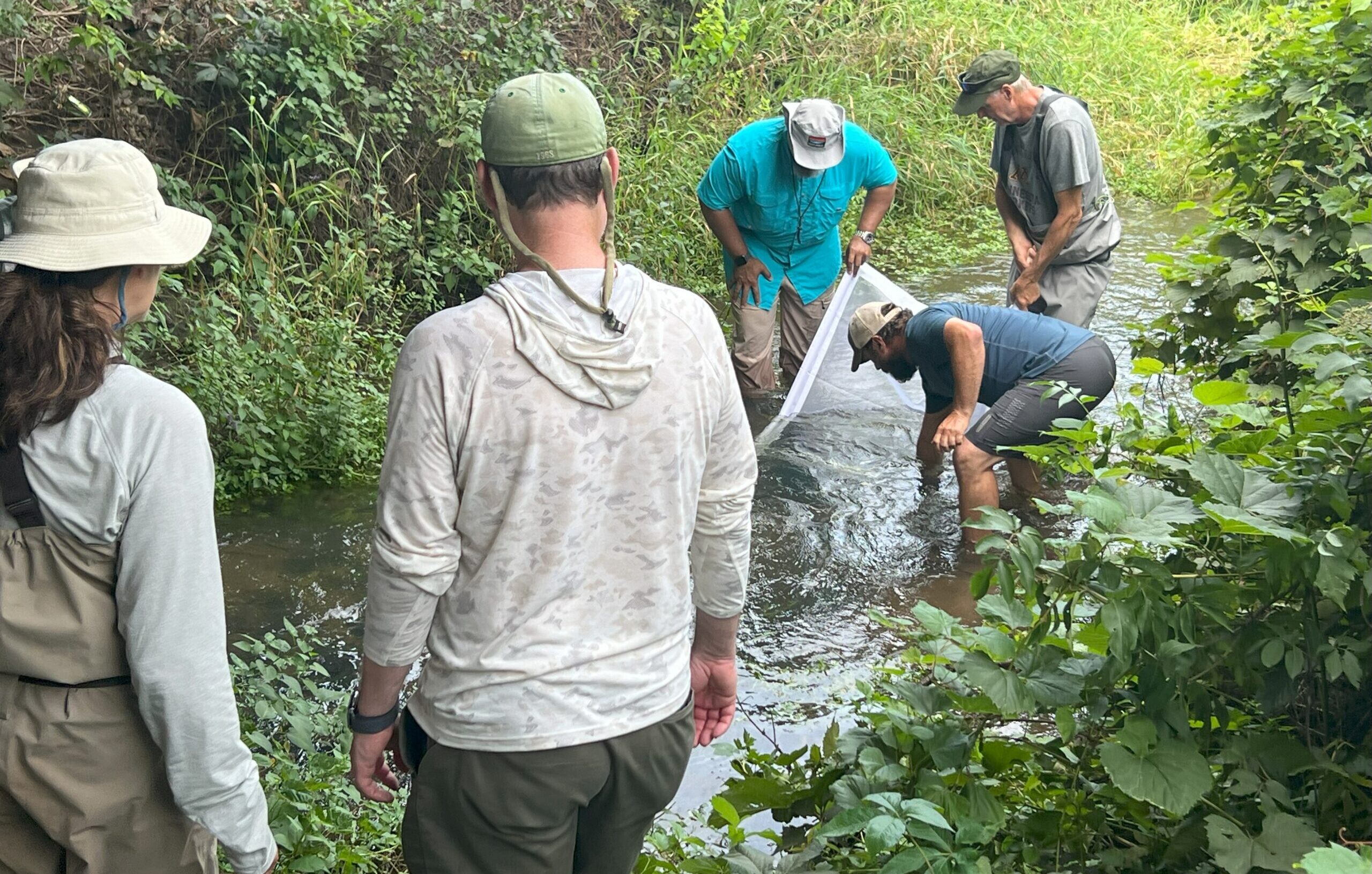
Our assistant director, Kristen Poppleton, often says “teamwork makes the dream work.”As I reflect on my first two years with Minnesota Trout Unlimited, I have a new appreciation for the phrase. The culture of service and commitment to conservation through boots and shovels on the ground by MNTU volunteers and...
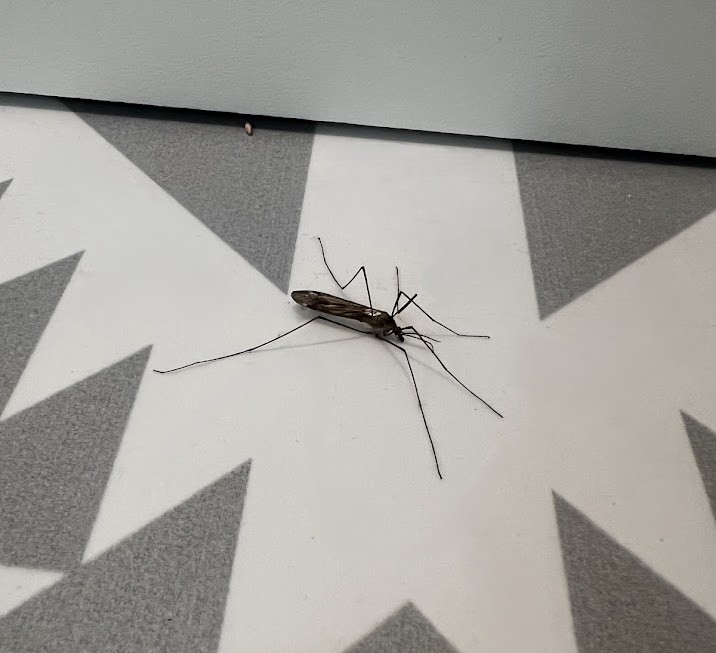
Living on a trout stream in southeastern Minnesota, it doesn’t require too much effort to keep an eye on what’s hatching and when. However, it still caught me by surprise to see two adult craneflies on my bathroom floor early one morning in the first week of May. Maybe they...
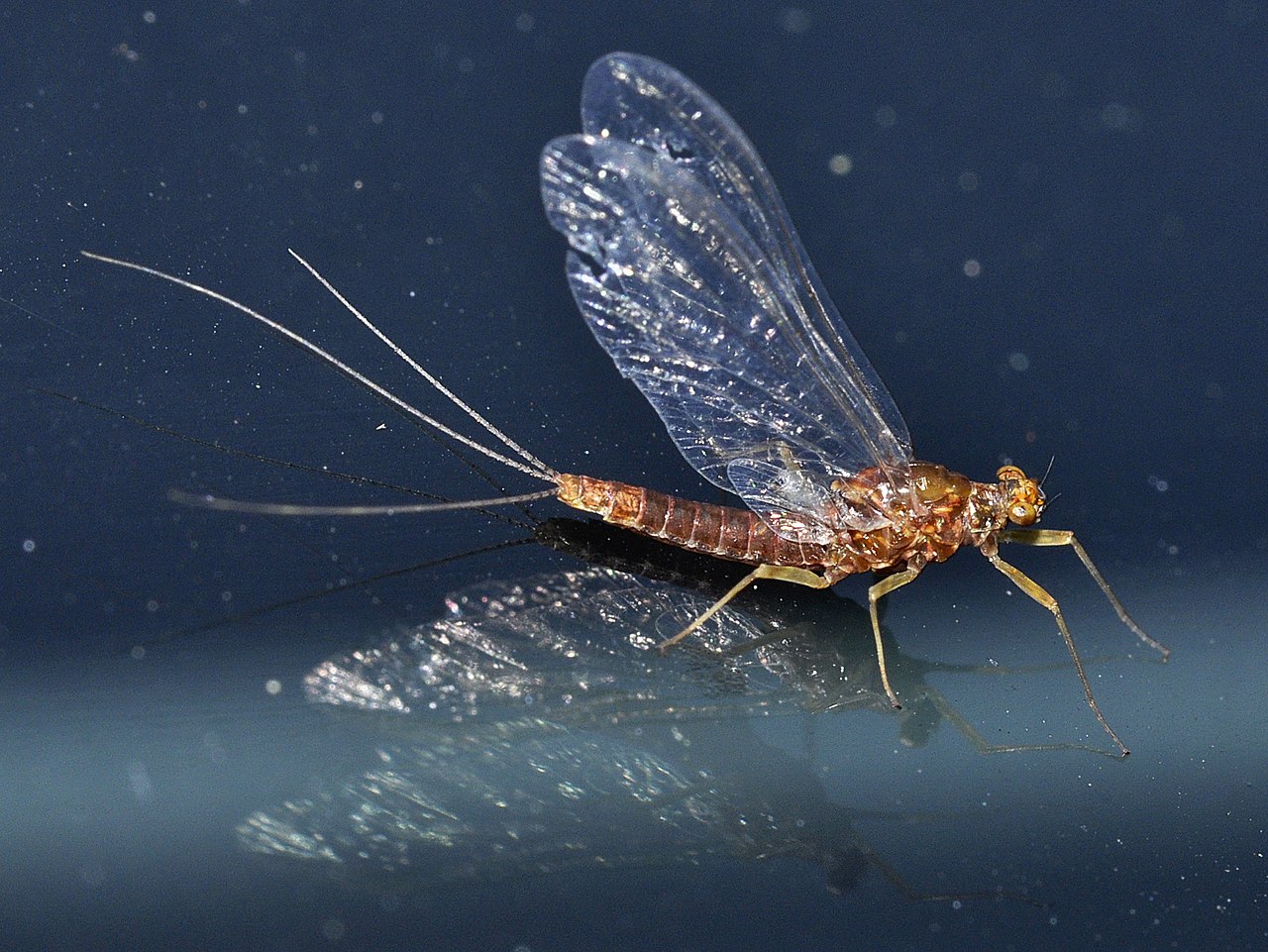
April 2025 Every spring, as snowmelt charges the streams and the days grow longer, trout anglers eagerly await one of the season’s most iconic hatches: the Dark Hendrickson. This mayfly, known to entomologists as Ephemerella subvaria, helps kick off dry fly season and can offer some great surface action during the...
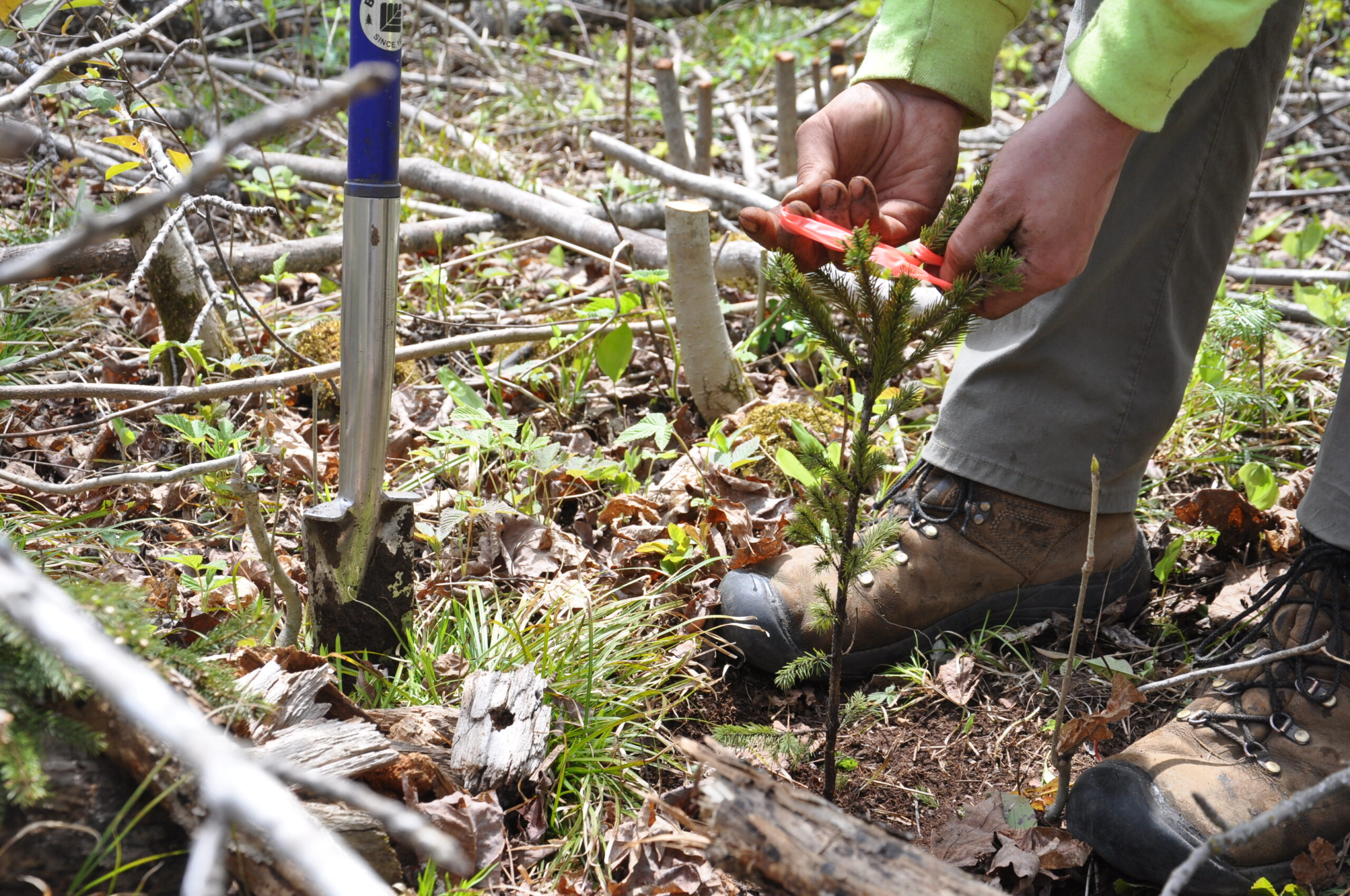
Minnesota Trout Unlimited is dedicated to preserving and improving the health of trout streams across the state. During these cold weeks of early spring, we’ve kicked off our first project of the year in the Sucker River watershed, a top-tier brook trout and steelhead stream east of Duluth. We're implementing...
If you’ve spent any time fishing the cold, clear streams of the Driftless Area, you know that matching the hatch is often the key to success. Hundreds of fly patterns exist to mimic the many species of mayflies, caddisflies and stoneflies that emerge throughout the season. But in recent years,...
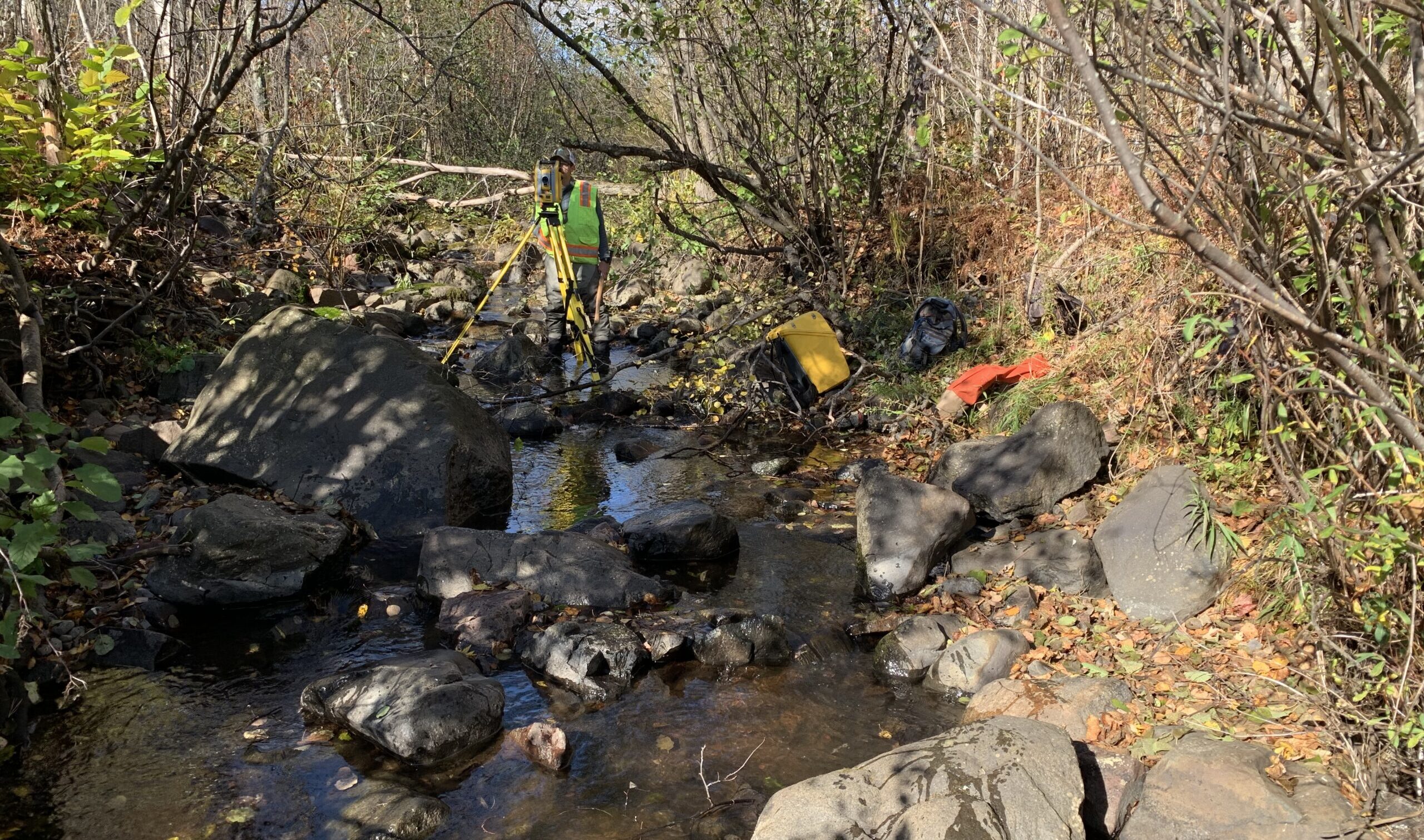
Stream restoration has come a long way from the days of simply lining banks with riprap or other artificial structures to control erosion and stabilize banks. While well intentioned, these methods sometimes led to unintended consequences, like disrupting the stream's natural flow or harming aquatic habitats. Today, the science of...
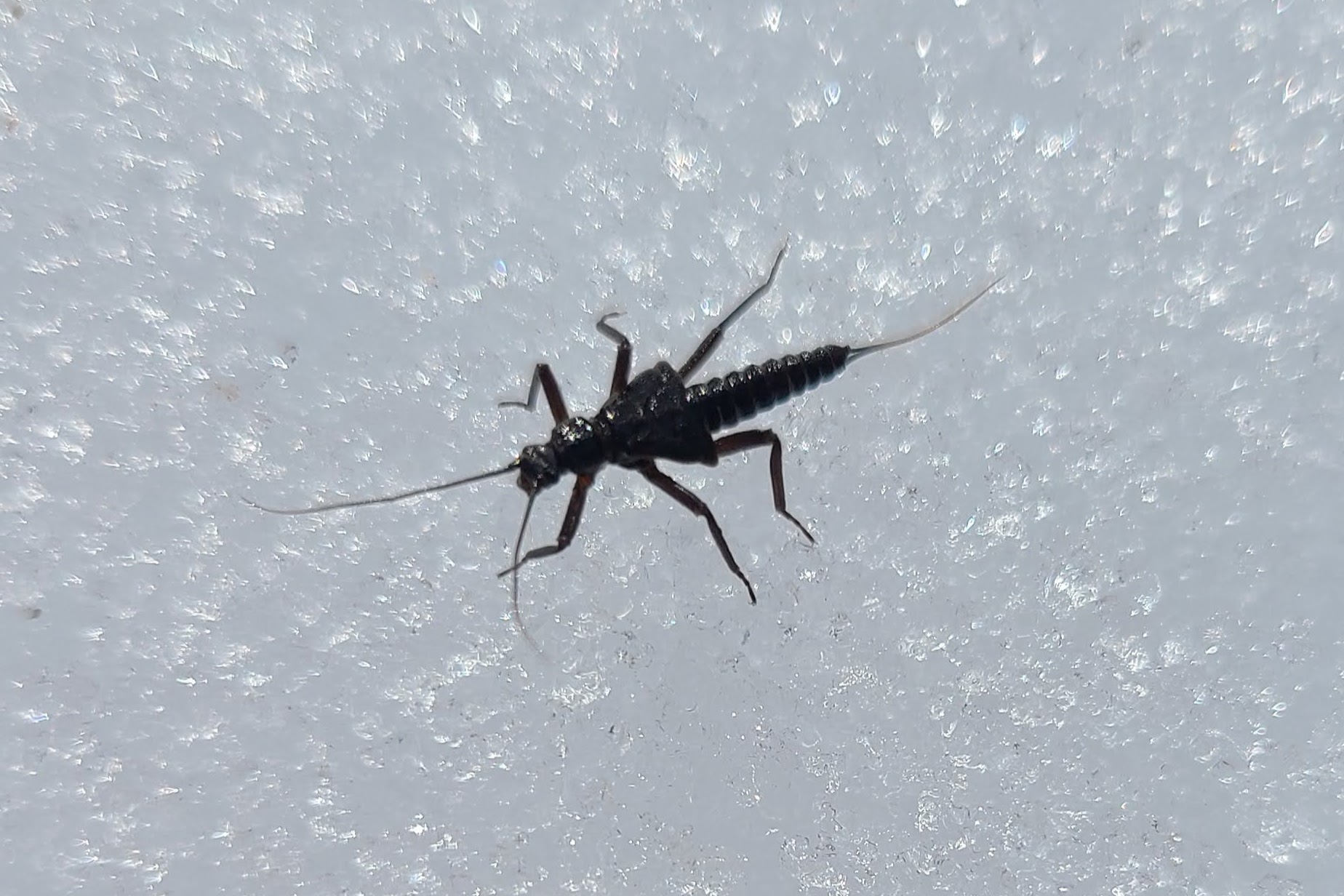
If you’re out scouting a favorite stream and notice their little black bodies clinging to the rocks or snow, take it as a good sign: the water is clean, the ecosystem is functioning and your trout fishing will be in good shape come spring.

Scuds are freshwater shrimp (bottom right) – a crustacean that lives among benthic invertebrates in the stream.